
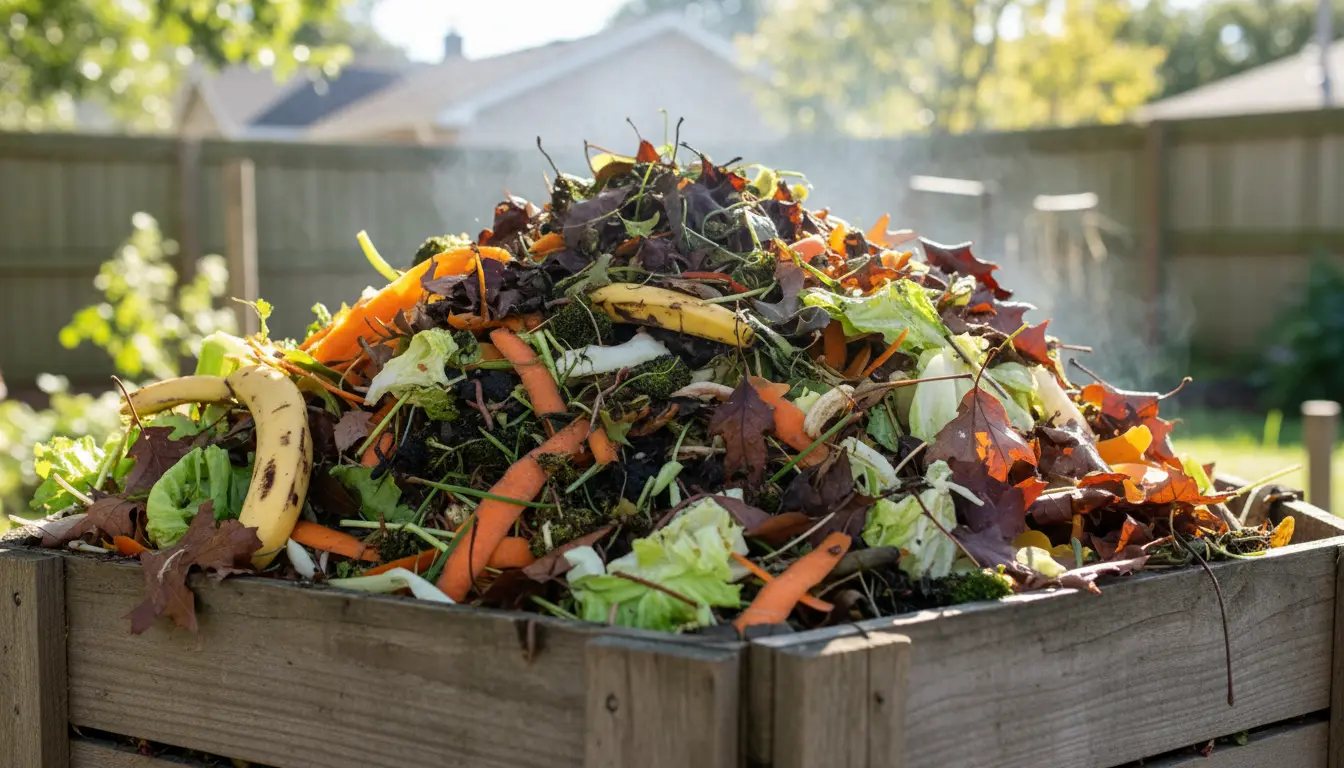
Composting at home turns kitchen and yard waste into valuable soil amendment. This guide explains practical steps to set up and maintain a reliable home composting system.
Home Composting Basics
Home composting is the controlled decomposition of organic materials by microbes. It reduces landfill waste and produces nutrient-rich compost for gardens and potted plants.
How Home Composting Works
Composting relies on a balanced mix of carbon-rich and nitrogen-rich materials, moisture, oxygen, and time. Microorganisms break down the materials into humus, which gardeners call compost.
Benefits of Home Composting
Home composting delivers several benefits in practical terms.
- Reduces household waste and trash costs.
- Improves soil structure and water retention.
- Supplies slow-release nutrients for plants.
- Decreases need for chemical fertilizers.
Setting Up a Home Composting System
Choose a system that fits your space, budget, and time. Even small apartments can compost with a worm bin or a bokashi system.
Choosing a Bin for Home Composting
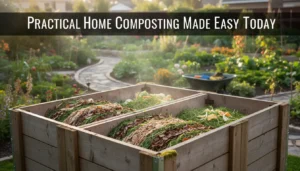
Select from outdoor tumblers, stationary bins, or indoor solutions like worm bins. Consider access, odor control, and how often you will turn the pile.
- Outdoor tumbler: Good for frequent turning and faster results.
- Stationary bin: Lower cost, needs more manual turning.
- Worm bin (vermicomposting): Best for kitchens and apartments.
- Bokashi: Fermentation method ideal for small indoor spaces and food scraps including cooked food.
Materials to Compost at Home
Use a balanced mix of browns (carbon) and greens (nitrogen). Aim for roughly a 3:1 ratio of browns to greens by volume.
- Greens: Vegetable scraps, fruit peels, coffee grounds, fresh grass clippings.
- Browns: Dry leaves, shredded paper, cardboard, straw.
- Avoid: Meat, dairy, oils, diseased plants, and pet waste from carnivores.
How to Maintain Home Composting
Regular maintenance keeps the decomposition process active and odor-free. Simple checks and actions can prevent most problems.
Turning, Moisture, and Temperature for Home Composting
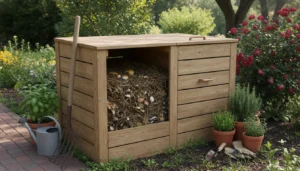
Turn the pile every 1–2 weeks for aerobic composting. Keep the pile as damp as a wrung-out sponge. Monitor temperature: active piles heat to 120–150°F (50–65°C) during decomposition of large green mixes.
- Turn: Mix materials to add oxygen and speed up breakdown.
- Moisture: Add water if dry; add browns if soggy.
- Temperature: High temperatures indicate active microbial life; cool piles still produce compost but slower.
Troubleshooting Home Composting Problems
Common issues are usually easy to fix with simple adjustments to balance and airflow.
Common Problems in Home Composting and Fixes
- Bad smell: Add more browns and turn the pile to increase airflow.
- Slow breakdown: Chop materials smaller and add nitrogen-rich greens.
- Fruit flies: Bury food scraps deeper or cover with a layer of browns.
- Pests (rats, raccoons): Use a secure bin with a lid and avoid meat and dairy.
Real-World Example: Small Backyard Home Composting Case Study
Emma, a homeowner with a small yard, started a 60-gallon tumbler. She added kitchen scraps and shredded leaves, turning the tumbler weekly. After three months she harvested dark crumbly compost and used it to topdress her vegetable beds.
Results: Her soil held more moisture and her tomato yield increased slightly the following season. She cut weekly trash by one bag.
Quick Home Composting Checklist
Use this checklist to start or audit your home composting system.
- Choose a bin type that fits your space.
- Collect greens and browns separately.
- Maintain a 3:1 browns to greens mix by volume.
- Keep moisture like a wrung-out sponge.
- Turn regularly to add oxygen.
- Troubleshoot odors, pests, and slow breakdowns quickly.
Home composting is a practical way to reduce waste and improve garden health. Start small, observe how your system behaves, and make gradual adjustments. With basic attention you can produce rich compost for plants and cut household waste significantly.