
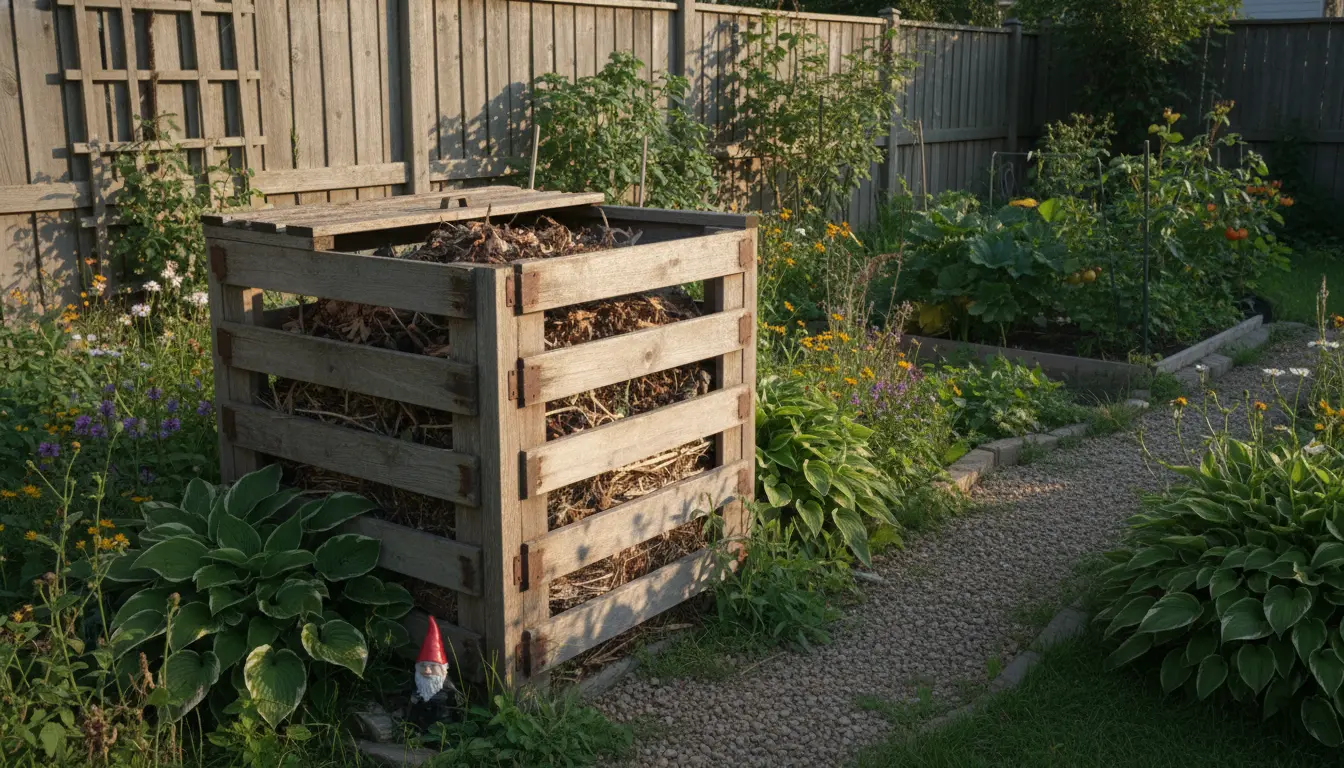
Composting at home turns kitchen scraps and yard waste into a useful soil amendment. This guide shows practical steps, equipment choices, and common mistakes to avoid. Follow these instructions to start a reliable home compost system.
Why start home composting
Home composting reduces household waste and improves garden soil. It returns nutrients to the ground and lowers your trash volume.
Compost improves soil structure, water retention, and supports beneficial microbes. These benefits help plants grow stronger and more resilient.
Choose the right compost bin for home composting
Select a bin that fits your space and commitment level. Options range from a simple pile to a tumbling compost bin.
- Compost pile: Free and low maintenance, best for large yards.
- Static bin: Contained, tidy, and good for regular backyard use.
- Tumbler: Fast turning and faster results, ideal for small spaces.
- Worm bin (vermicompost): Great for apartments and small kitchens.
Placement and setup for compost bin
Place the compost bin in a level, well-drained spot with partial sun. Good airflow and easy access are important.
If you use a tumbler, set it where you can turn it easily. For worm bins, keep them indoors or shaded and away from extreme temperatures.
Balance materials: Greens vs Browns
Successful home composting depends on a balance of green (nitrogen-rich) and brown (carbon-rich) materials. Aim for roughly a 1:2 ratio by volume (greens to browns).
- Greens: Vegetable scraps, fruit peels, coffee grounds, fresh grass clippings.
- Browns: Dry leaves, shredded paper, cardboard, straw, sawdust.
Too many greens cause odor and soggy compost. Too many browns slow decomposition. Mixing materials and adding water as needed keeps the pile active.
Water, aeration, and turning
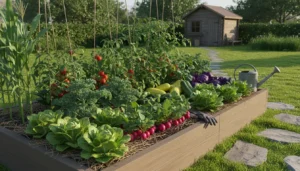
Compost needs moisture like a wrung-out sponge. Add water to dry piles and cover very wet piles to reduce odor. Regular aeration adds oxygen to microbes.
Turn the pile every 1–2 weeks for faster, more even decomposition. Tumblers make turning easier. In static bins, use a pitchfork or compost aerator.
What to avoid in home composting
Not all waste belongs in a home compost pile. Avoid items that attract pests, spread disease, or break down very slowly.
- Avoid: Meat, dairy, fats, bones, and greasy foods.
- Avoid: Diseased plants, invasive weeds with seeds, and pet waste from carnivores.
- Limit: Large woody branches; chip or shred before adding.
How to tell when compost is ready
Finished compost is dark, crumbly, and smells earthy. Most systems produce usable compost in 3–12 months depending on materials and management.
- Small pieces and even texture mean the compost is mature.
- Temperature drop and lack of recognizable scraps are signs it is ready.
Composting diverts up to 30% of household waste from landfills and can reduce methane emissions from organic waste that would otherwise decompose anaerobically.
Simple home composting routine
Keep a small countertop bin for daily scraps. Empty it into your outdoor bin every few days. Add a handful of brown material each time you add greens.
- Collect: Use a sealed container for kitchen scraps.
- Layer: Alternate greens and browns in the bin.
- Moisten: Ensure the pile is damp but not soggy.
- Turn: Aerate every 1–2 weeks for faster composting.
Using finished compost
Mix finished compost into garden beds, use as a top dressing, or brew compost tea for liquid feeding. Apply a 1–2 inch layer to beds and work it in lightly.
Compost improves soil fertility without chemical fertilizers and supports long-term plant health.
Small real-world example
Case study: A townhouse owner started a 60-liter tumbler in spring and followed a simple routine. They emptied kitchen scraps into the tumbler twice weekly and added shredded cardboard as needed.
After four months, they harvested dark, crumbly compost and mixed it into raised vegetable beds. Tomato yields improved noticeably and their weekly trash volume dropped by about 25%.
Troubleshooting common issues in home composting
If the pile smells rotten, add more browns and turn the pile to introduce oxygen. If decomposition slows, increase greens or chop materials into smaller pieces.
Fruit flies can be reduced by covering fresh food scraps with a layer of brown material or placing a lid on the bin. For persistent pest problems, consider moving to an enclosed or tumbling system.
Final tips for successful home composting
- Start small and expand as you learn what works for your space.
- Keep materials varied and chopped for faster breakdown.
- Track time and temperature for faster compost if you want faster results.
- Be patient—composting is an easy process that improves with small adjustments.
With the right bin, balanced materials, and a regular routine, home composting is an achievable way to reduce waste and improve soil. Begin with a simple system and refine it as you gain experience.