
Start Composting at Home: A Practical Overview
Home composting turns kitchen scraps and yard waste into rich soil that improves garden health. This guide explains simple steps, materials, and common problems for beginners.
How Home Composting Works
Composting is the controlled breakdown of organic matter by microbes, resulting in humus-like material. You create the right balance of food, air, moisture, and time for microbes to thrive.
Key Elements of Home Composting
- Carbon (browns): dry leaves, shredded paper, straw.
- Nitrogen (greens): vegetable scraps, coffee grounds, fresh grass clippings.
- Air: regular turning to add oxygen.
- Moisture: damp like a wrung-out sponge.
Getting Started with Home Composting
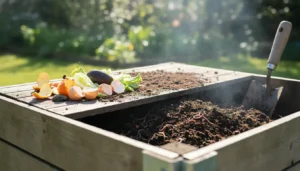
Choose a method that fits your space and lifestyle. Backyard bins suit gardens, while smaller options work for balconies or apartments.
Choosing a Bin for Home Composting
- Tumbler bin: faster turning, less hands-on, good for small yards.
- Stationary bin or heap: low cost, can hold large volumes.
- Worm bin (vermicompost): ideal for indoor or balcony use, produces liquid fertilizer.
Step-by-Step Home Composting Process
Follow these simple steps to build and maintain an effective compost pile at home.
Step 1: Prepare the Base
Start with a layer of coarse material (small branches or coarse straw) to help airflow at the bottom. This prevents compaction and improves drainage.
Step 2: Layer Browns and Greens

Alternate layers of browns and greens roughly in a 3:1 volume ratio of browns to greens. Too much green leads to odor; too much brown slows decomposition.
Step 3: Maintain Moisture and Air
Keep the pile moist but not soggy. Turn the pile every 1–2 weeks to add oxygen and speed decomposition. For tumblers, rotate according to manufacturer guidance.
Troubleshooting Common Problems in Home Composting
Beginners often face a few predictable issues. Most are simple to fix with small changes.
Odor or Fly Problems
- Cause: too much green material or poor airflow.
- Fix: add dry browns, stir the pile, cover fresh food scraps with shredded paper.
Slow Decomposition
- Cause: pile too dry or too rich in browns.
- Fix: add some greens and water, chop large pieces, and increase turning frequency.
Pests
- Cause: meat, dairy, or oily food added to the pile.
- Fix: avoid those items in open piles; use closed bins or Bokashi systems for problematic waste.
Composting can reduce household organic waste by up to 30 percent and returns vital nutrients to the soil, improving plant resilience and water retention.
Small-Space Home Composting Options
Urban dwellers can compost effectively with low-footprint systems. Select the option that matches your waste volume and odor tolerance.
- Vermicomposting: uses red worms and a compact bin; produces both castings and liquid feed.
- Bokashi: anaerobic fermentation that accepts cooked foods and meat; requires a secondary composting or burying step.
- Indoor bokashi or sealed systems: minimal odor, good for apartments.
Using Finished Compost
Mature compost looks dark, crumbly, and smells earthy. Use it as a soil amendment, mulch, or potting mix component to boost fertility and structure.
Application Tips
- Top-dress lawns with a thin layer to improve soil health.
- Mix compost into garden beds at 10–20 percent by volume before planting.
- Combine compost with potting soil for container plants to increase nutrients and moisture retention.
Real-World Example: Neighborhood Compost Project
A small neighborhood group started a shared stationary bin system behind a community garden. They used a simple rule: no meat, always cover fresh scraps with shredded cardboard, and turn weekly.
Within four months the group reduced municipal food waste pickups and produced enough compost to amend three raised beds. Garden yields improved and neighbors reported fewer weeds and better soil moisture retention.
Quick Checklist for Home Composting Success
- Choose the right bin for your space.
- Balance browns and greens; aim for mostly browns.
- Keep moisture like a wrung-out sponge.
- Turn or aerate regularly.
- Avoid meats, dairy, and oils in open piles.
- Use finished compost to enrich your soil.
Home composting is an easy, low-cost way to reduce waste and improve garden health. Start small, observe your pile, and adjust layers and moisture over the first few months. With simple care, you’ll convert kitchen scraps into valuable soil in one season or less.