
What is Home Composting and Why Start
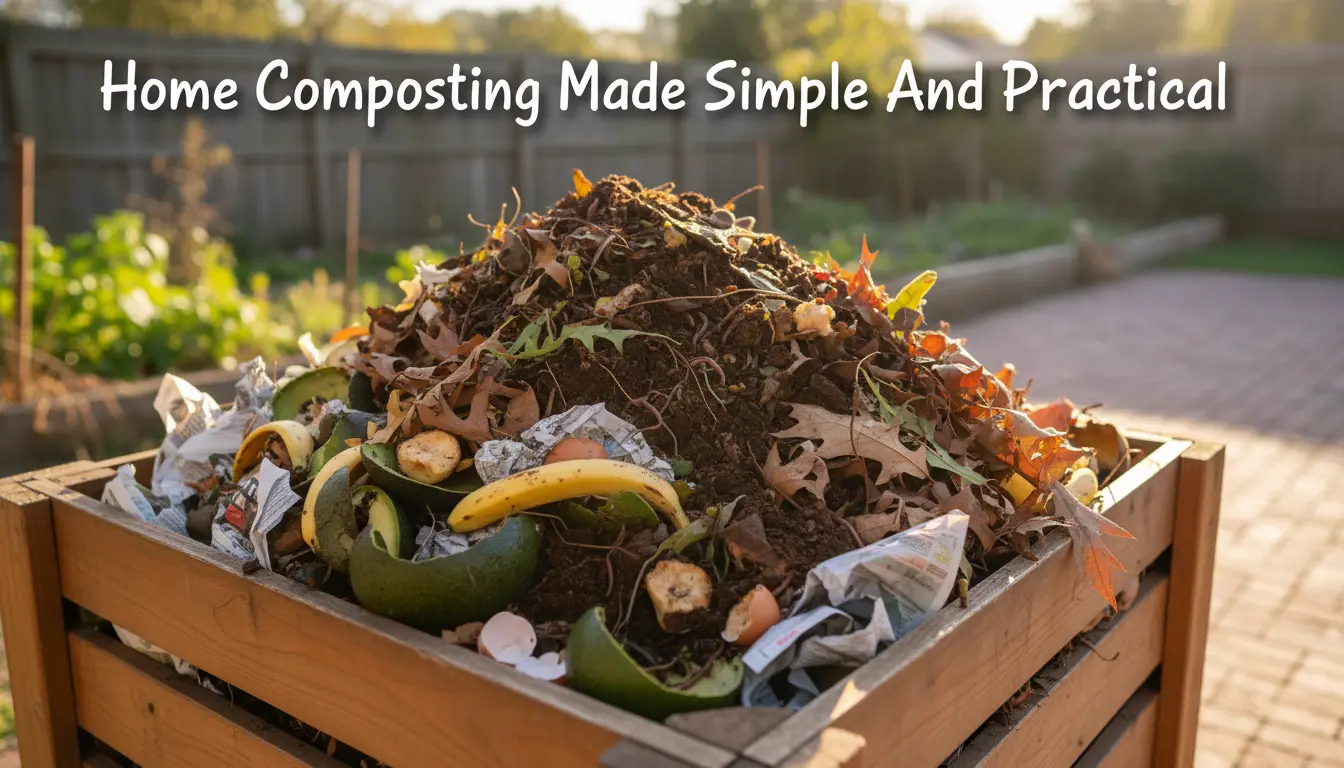
Home composting is the natural recycling of organic waste into a nutrient-rich soil amendment. It reduces kitchen and yard waste and returns useful nutrients to your garden.
Starting composting is practical and inexpensive. Even small apartments can compost with the right system.
How Home Composting Works
Composting relies on microorganisms breaking down organic matter into stable humus. These microbes need the right balance of carbon, nitrogen, moisture, and air.
When you balance these elements, compost heats up, decomposes faster, and produces a dark crumbly product that improves soil structure.
Key Components of Home Composting
Focus on three essentials: browns, greens, and airflow. Browns are carbon rich, greens are nitrogen rich, and airflow prevents odors.
- Browns: dry leaves, shredded paper, straw
- Greens: vegetable scraps, coffee grounds, grass clippings
- Air: turn or use a bin that allows ventilation
Materials to Avoid in Home Composting
Not everything belongs in a home compost pile. Avoid diseased plants, meat, dairy, oily foods, and pet waste from carnivores.
These items attract pests or create bad odors and can slow down the composting process.
Step-by-Step Home Composting Setup
Choose a method that fits your space: a simple pile, a tumbler, or a worm bin. Each method has pros and cons for speed, space, and maintenance.
Basic Backyard Compost Bin
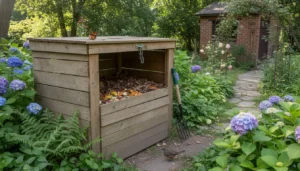
- Pick a dry, shaded spot with good drainage.
- Start with a 4-6 inch layer of coarse material like twigs for airflow.
- Add alternating layers of greens and browns, aiming for roughly 2:1 browns to greens by volume.
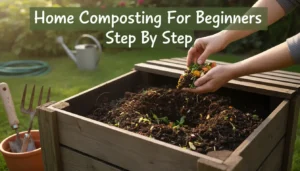
- Keep the pile moist like a wrung-out sponge and turn every 1-2 weeks to add oxygen.
Worm Composting for Small Spaces
Vermicomposting uses red wiggler worms to process kitchen scraps. It fits under a sink or on a balcony and produces liquid fertilizer in addition to compost.
Use a shallow bin, bedding such as shredded cardboard, and feed in small amounts to avoid odors.
Troubleshooting Common Home Composting Problems
Knowing simple fixes keeps compost active and usable. Many common issues have quick solutions.
Problem: Smelly Pile
Cause is often too much green material or poor airflow. Fix by adding browns, turning the pile, and checking moisture.
Problem: Slow Decomposition
Cause may be low nitrogen, cold temperatures, or large pieces. Fix by adding more greens, insulating the pile, and chopping materials smaller.
How to Tell When Compost is Ready
Finished compost is dark, crumbly, and smells earthy. Most particles are no longer recognizable.
Depending on method, compost can take 2 months to a year. Regular turning and proper balance speed up the process.
Benefits of Home Composting
- Reduces household waste and lowers landfill contributions
- Improves soil water retention and fertility
- Reduces need for chemical fertilizers
- Saves money and supports healthy plant growth
Composting can divert up to 30 percent of household waste from landfills. A typical family can produce several cubic feet of compost per year from kitchen and yard scraps.
Real-World Example: Small Suburban Family Case Study
Maria and Ben, a family of three with a modest backyard, started a 3-bin compost system. They used one bin for active composting, one for curing, and one for new inputs.
Over six months they reduced their trash by 40 percent and produced a wheelbarrow of finished compost. They applied it to vegetable beds, which improved tomato yield the following season.
Quick Tips for Successful Home Composting
- Chop or shred materials to speed decomposition
- Maintain moisture like a damp sponge, not soaking wet
- Balance browns and greens to avoid odors and slowness
- Use finished compost as mulch or mixed into planting beds
Simple Home Composting Routine to Follow
- Collect kitchen scraps in a covered container.
- Deposit scraps into the bin and cover with a layer of browns daily.
- Turn the pile every 1-2 weeks for aerobic breakdown.
- Move finished compost to a curing area for a month before use.
Final Advice on Home Composting
Start small and adjust as you learn what works for your space and climate. Composting is forgiving and improves with simple consistent care.
With a basic setup and routine, most households can turn food and yard waste into a valuable soil resource within months.