
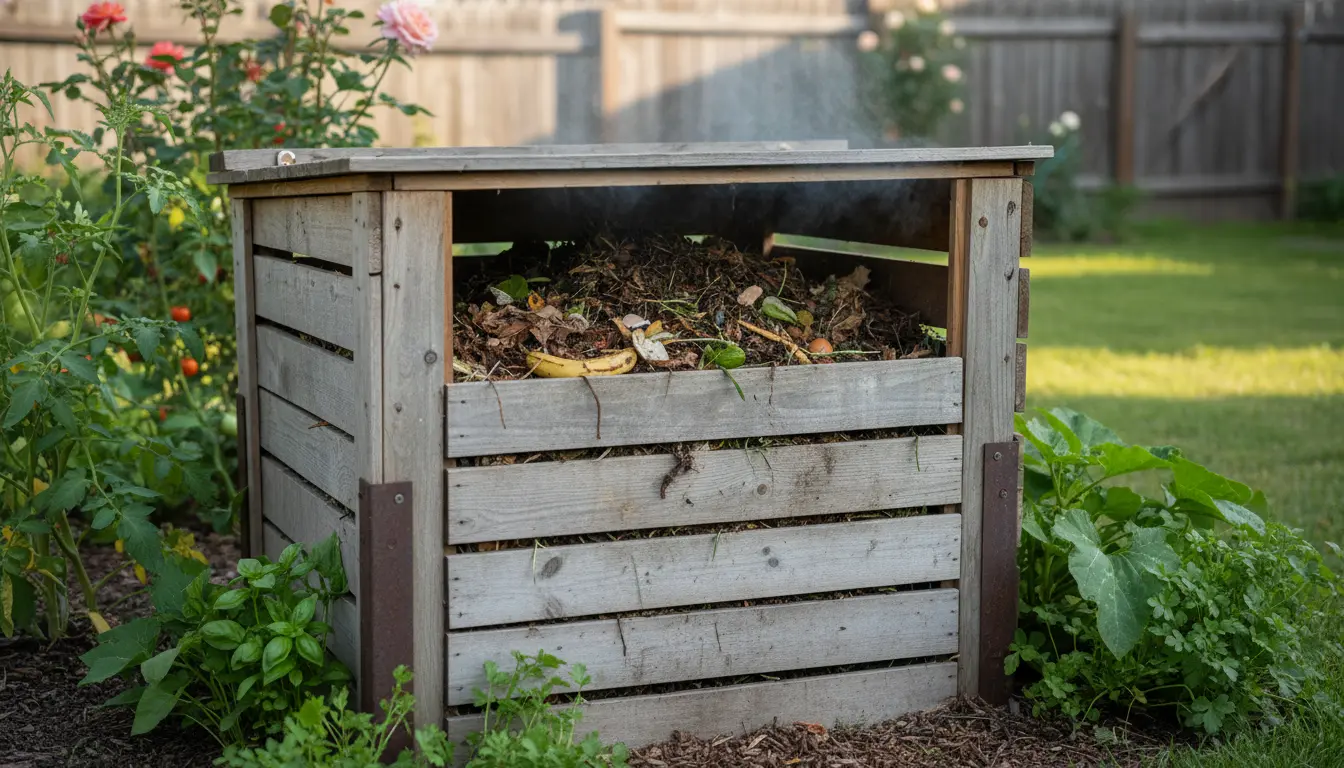
Start Home Composting: Why It Matters
Home composting turns kitchen and yard waste into a useful soil amendment. It reduces trash, lowers methane from landfills, and improves garden soil structure.
This guide explains simple, practical steps for setting up and maintaining a successful home composting system. Use these instructions whether you have a backyard, patio, or a balcony with a small bin.
What You Need for Home Composting
To begin home composting you need three basic things: organic material, a container or pile, and airflow. The right balance of materials speeds decomposition and prevents odors.
Choose one of these setups based on space and budget:
- Open compost pile for large yards
- Closed bin or tumbler for small yards and odor control
- Bokashi or worm bin for apartments and indoor composting
How to Start Home Composting: Step-by-Step
Pick a location with good drainage and partial shade if possible, and place your bin on soil or a wire base. This allows beneficial organisms and moisture exchange between the ground and the compost.
Create a base layer of coarse materials like twigs or straw for airflow. Then add alternating layers of browns and greens to maintain balance.
Layering and Material Balance for Home Composting
Use brown materials (carbon) such as dry leaves, straw, shredded paper, and cardboard. Brown materials provide structure and slow-release carbon to feed microbes.
Use green materials (nitrogen) like vegetable scraps, coffee grounds, fresh grass clippings, and plant trimmings. Greens speed up decomposition but too many will cause smells if not balanced with browns.
A practical target is roughly 3 parts brown to 1 part green by volume, adjusting based on smell and moisture.
Maintaining Your Home Composting System
Turn the pile every 1–2 weeks if you want faster compost; tumblers make turning easier. Turning introduces oxygen and helps break down materials more evenly.
Monitor moisture: the compost should feel like a wrung-out sponge. Add water if it’s dry and add dry browns if it becomes soggy.
Temperature and Time in Home Composting
Active piles can reach 120–160°F (50–70°C), which helps kill weed seeds and pathogens. If your pile stays cool, chop materials smaller and add more greens to encourage heating.
Compost can be ready in 2–6 months depending on method, materials, and maintenance. Finished compost is dark, crumbly, and earthy-smelling.
What Not to Put in a Home Composting Pile
Avoid meat, dairy, oily foods, and pet waste in typical home compost piles, as they attract pests and create odors. Also limit diseased plants and invasive weeds unless you maintain very high temperatures.
Use alternatives: pet waste can go to specialized systems, and large woody material may be chipped before adding.
Troubleshooting Common Home Composting Problems
Bad smell usually means too much green material or poor airflow. Fix it by adding browns and turning the pile to aerate it.
Slow decomposition can be caused by large pieces, low moisture, or low nitrogen. Shred materials, water lightly, and add greens or a nitrogen-rich amendment.
Small Real-World Example: A Backyard Family Compost
Case study: A family of four started a 3-bin system in spring using one rotating bin. They collected kitchen scraps in a counter container and added a wheelbarrow of dry leaves each week.
Within four months they had finished compost from the first bin and used it to top-dress raised vegetable beds. The family reported better soil texture and fewer watering needs in summer.
Practical Tips for Success with Home Composting
- Chop or shred large items to speed breakdown.
- Keep a small sealed kitchen pail to reduce trips and smells.
- Use a compost thermometer if you want to monitor progress quickly.
- Rotate between bins: fill one, let it cure while using another.
Composting reduces methane emissions from landfills and can cut household waste volume by up to 30 percent. Finished compost also improves soil water retention, reducing garden watering needs.
Using Finished Compost from Home Composting
Apply finished compost as a top dressing, mix into planting beds, or use as a potting soil amendment. A thin 1–2 inch layer can boost soil health and provide slow-release nutrients.
Store finished compost in a covered bin to keep it ready for seasonal garden use.
Summary: Getting Started with Home Composting
Home composting is an easy, low-cost way to recycle organic waste and improve soil. Start small, balance browns and greens, monitor moisture, and turn regularly for best results.
With a little routine and attention you can produce rich compost that benefits your garden and the environment.