
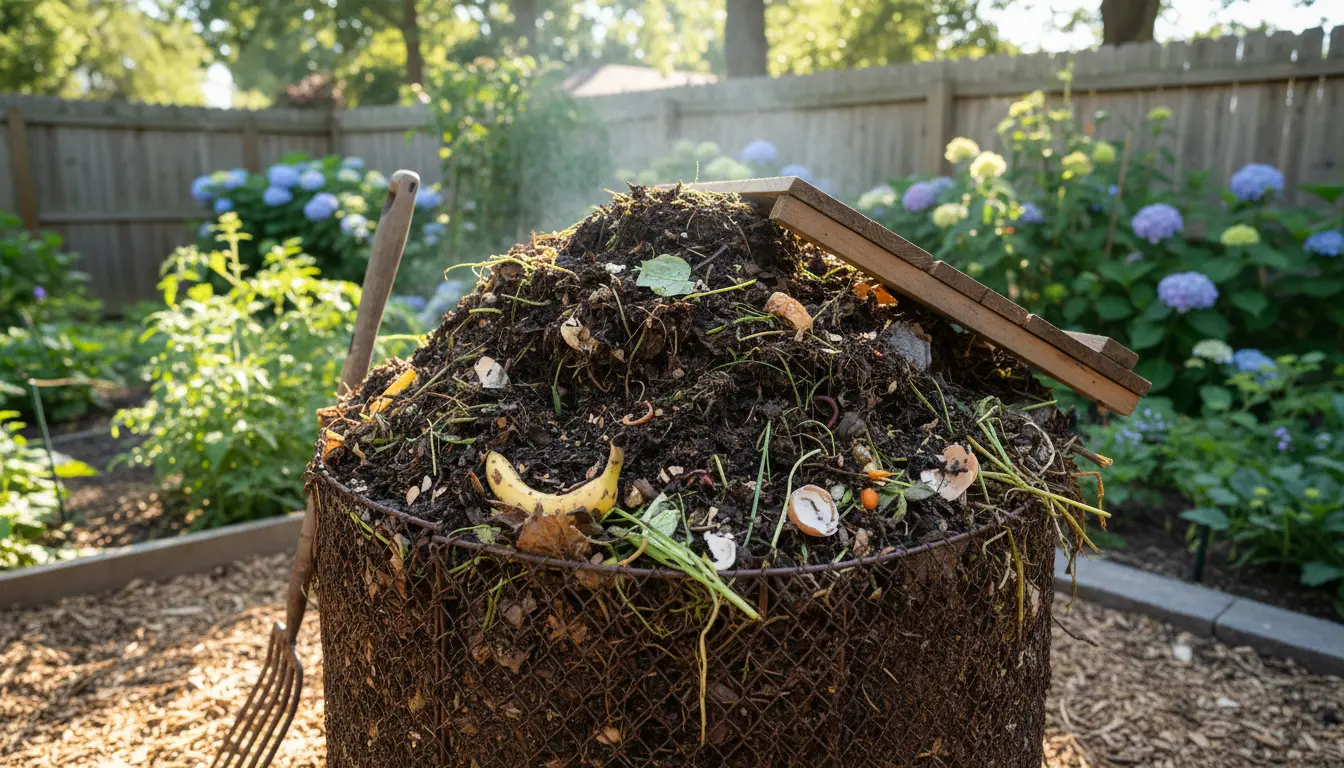
Why Home Composting Matters
Home composting turns kitchen and garden waste into nutrient-rich material for soil. It reduces landfill waste and lowers household greenhouse gas emissions.
Small changes at home can cut food waste and provide free amendments for potted plants and garden beds. This guide shows practical steps to start and maintain home composting effectively.
Benefits of Home Composting
Composting at home improves soil structure and water retention. It supplies slow-release nutrients and lowers the need for synthetic fertilizers.
- Reduces household waste and trash costs.
- Improves plant health and yields.
- Helps the environment by diverting organic matter from landfills.
How to Start Home Composting
Begin with selecting a simple setup that matches your space and lifestyle. Even a small apartment or balcony can support home composting with the right system.
Choosing a Home Composting System
Pick a method based on available space and the volume of waste you generate. Options include bins, tumblers, worm composting, and Bokashi fermentation.
- Compost bin: Good for yards and moderate waste. Low cost and low maintenance.
- Compost tumbler: Speeds up mixing and aeration. Ideal for small yards and quicker results.
- Vermicompost (worm bin): Excellent for apartments and small kitchens. Produces rich castings but requires more attention.
- Bokashi: Fermentation system that handles cooked foods and works indoors with minimal odors.
What to Compost and What to Avoid
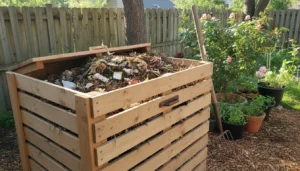
Balance ‘greens’ (nitrogen) and ‘browns’ (carbon) for a healthy home composting pile. Greens include vegetable scraps and fresh grass clippings.
Browns include dry leaves, cardboard, and paper. Aim for roughly 2–3 parts browns to 1 part greens by volume.
- Acceptable: Fruit and vegetable peels, coffee grounds, tea bags (no staples), eggshells, yard trimmings.
- Avoid: Meat, dairy, oils, diseased plants, and pet waste from carnivores.
Maintaining Your Home Composting Pile
Regular attention keeps the compost active and prevents odors. Aeration, moisture control, and occasional turning are the main tasks.
Tips for Healthy Home Composting
- Turn the pile every 1–2 weeks to introduce oxygen and speed decomposition.
- Keep moisture like a wrung-out sponge. Add water if it is bone dry, or add browns if it is soggy.
- Chop or shred materials to increase surface area and accelerate breakdown.
- Monitor temperature: active piles heat up. Worm bins and Bokashi work well at room temperature.
Troubleshooting Common Compost Problems

Bad smells usually mean too much moisture or insufficient aeration. Add dry browns and turn the pile to restore balance.
Slow decomposition can come from large pieces or low nitrogen. Chop materials and add some greens like grass clippings or kitchen scraps.
Compost can reduce your garden’s need for water by improving soil structure. Well-composted soil retains moisture better, which means fewer watering sessions.
Harvesting and Using Compost from Home Composting
Compost is ready when it is dark, crumbly, and smells earthy. This typically takes 2–12 months depending on method and conditions.
Use finished compost as a top dressing, potting mix amendment, or soil conditioner. Mix 10–30% compost with potting soil for seedlings and container plants.
Examples of Compost Uses
- Top dress vegetable beds in spring and fall.
- Blend with garden soil to improve structure for perennials.
- Create a seed-starting mix by mixing compost with coconut coir or peat-free alternatives.
Case Study: Apartment Home Composting Success
Example: A two-person apartment household started a worm composting bin and a small Bokashi system. They diverted most kitchen scraps from the trash.
After six months, they reduced their weekly trash by 40% and had steady supply of worm castings for balcony herbs. Regular feeding and occasional bedding changes kept odors at bay.
Key takeaways: choose systems suited to living space, establish a simple routine, and pair methods (Bokashi for cooked food, worm bin for scraps) for best results.
Quick Start Checklist for Home Composting
- Choose your system: bin, tumbler, worm bin, or Bokashi.
- Collect greens and browns separately.
- Chop scraps and layer materials when possible.
- Monitor moisture and aerate regularly.
- Harvest compost when it is dark and crumbly.
Home composting is a practical, low-cost way to reduce waste and improve soil. Start small, keep tasks simple, and adapt the system to your space and schedule. With minimal effort, you can transform household scraps into valuable garden resources.