
What Is Home Composting and Why Start
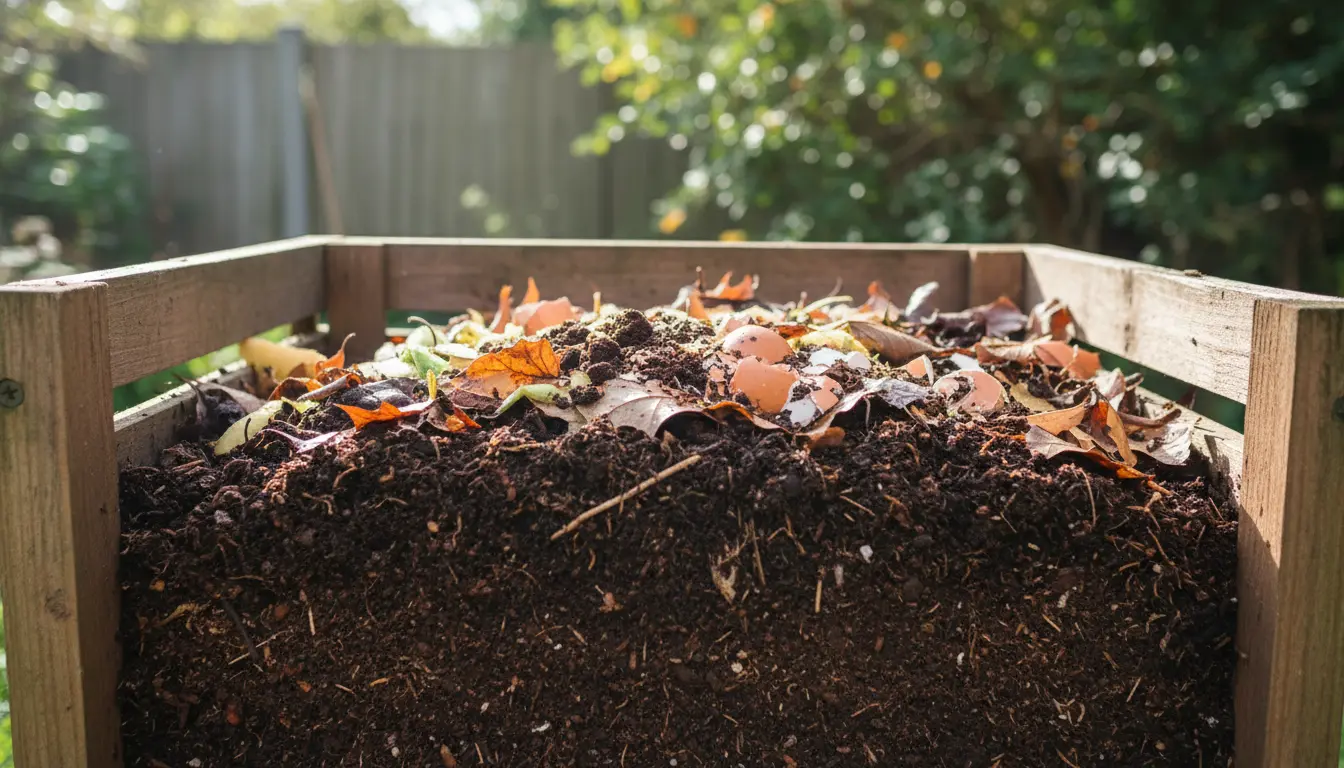
Home composting turns kitchen scraps and yard waste into nutrient-rich material you can add to soil. It reduces household waste, lowers methane from landfills, and improves garden health.
This guide shows practical steps for beginners to set up and maintain a compost system that fits a small yard or even a balcony.
Choosing the Right Compost System for Home Composting
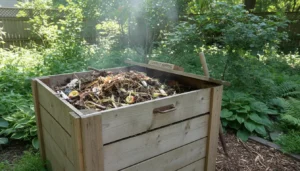
Pick a system that matches your space and effort level. Options include simple piles, tumblers, enclosed bins, and worm (vermicompost) systems.
- Open pile: Low cost, best for larger yards, more maintenance.
- Enclosed bin: Cleaner, fewer pests, suitable for small yards.
- Tumbler: Faster mixing, less turning effort, good for limited space.
- Vermicompost: Uses worms, best for indoor or balcony composting of fruit and vegetable scraps.
Hot vs Cold Home Composting
Hot composting reaches higher temperatures and breaks down materials faster. It needs more frequent turning and a balanced mix of materials.
Cold composting is slower and simpler, requiring less intervention. Choose hot if you want finished compost in months and cold if you prefer a low-effort approach.
How to Start Home Composting: Step-by-Step
Start with a simple setup and refine as you learn. Follow these steps to begin composting at home.
- Choose a location — a well-drained, partly shaded spot near water access.
- Pick a container — a bin or open area depending on space and aesthetics.
- Add base material — coarse brown material such as twigs or straw to aid airflow.
- Layer greens and browns — alternate moist green materials (kitchen scraps, grass clippings) with dry brown materials (leaves, cardboard).
- Maintain moisture and aeration — aim for a damp sponge consistency and turn every 1–2 weeks for hot systems.
- Harvest finished compost — use dark, crumbly compost in potting mixes, garden beds, or as mulch.
Balancing Ingredients for Home Composting
Balance is the core of successful composting. Use a rough carbon-to-nitrogen ratio of 25–30:1.
- Greens (nitrogen): vegetable scraps, coffee grounds, fresh grass clippings.
- Browns (carbon): dry leaves, cardboard, shredded paper, straw.
Example mix: one part kitchen scraps to three parts dry leaves or shredded cardboard works well for many backyard systems.
Household composting can reduce your trash volume by up to 30 percent and cut greenhouse gas emissions from organic waste sent to landfills.
Troubleshooting Common Home Composting Problems
Compost can smell, be slow, or attract pests. Most issues have simple fixes.
- Bad smell: Add more browns and turn the pile to increase aeration.
- Slow decomposition: Chop materials smaller, increase moisture slightly, and add nitrogen-rich greens.
- Pests: Use a closed bin, bury food scraps in the center, and avoid meat, dairy, or oily foods.
- Too dry: Add water and moist greens to reach damp sponge consistency.
Using Finished Compost from Home Composting
Finished compost looks dark and crumbly and smells earthy. It can be used in several practical ways around a home garden.
- Mix 10–20% compost into potting mixes to improve structure and nutrients.
- Top-dress vegetable beds with a thin layer to feed plants slowly.
- Use as mulch around shrubs and trees to retain moisture and suppress weeds.
Small Real-World Example: A Backyard Compost Case Study
Anna, a homeowner in Austin, started a 3-bin hot compost system in spring. She saved kitchen scraps and layered them with shredded leaves from her yard.
By turning weekly and monitoring moisture, Anna had usable compost for her tomato beds in five months. She reduced weekly trash pickup by one bag and reported healthier plants with less fertilizer use.
Tips for Success with Home Composting
- Start small and scale up once you get the hang of the process.
- Keep materials chopped or shredded for faster breakdown.
- Monitor moisture and temperature to choose between hot and cold methods.
- Consider worms for indoor or small-space composting if you can’t manage outdoor bins.
Conclusion: Integrate Home Composting Into Daily Life
Home composting is a practical, low-cost way to reduce waste and improve garden fertility. With basic equipment, a balanced mix of materials, and simple maintenance, most households can produce valuable compost within months.
Start with one bin or a small vermicompost and adjust methods as you learn. The effort pays off in healthier soil and less waste.