
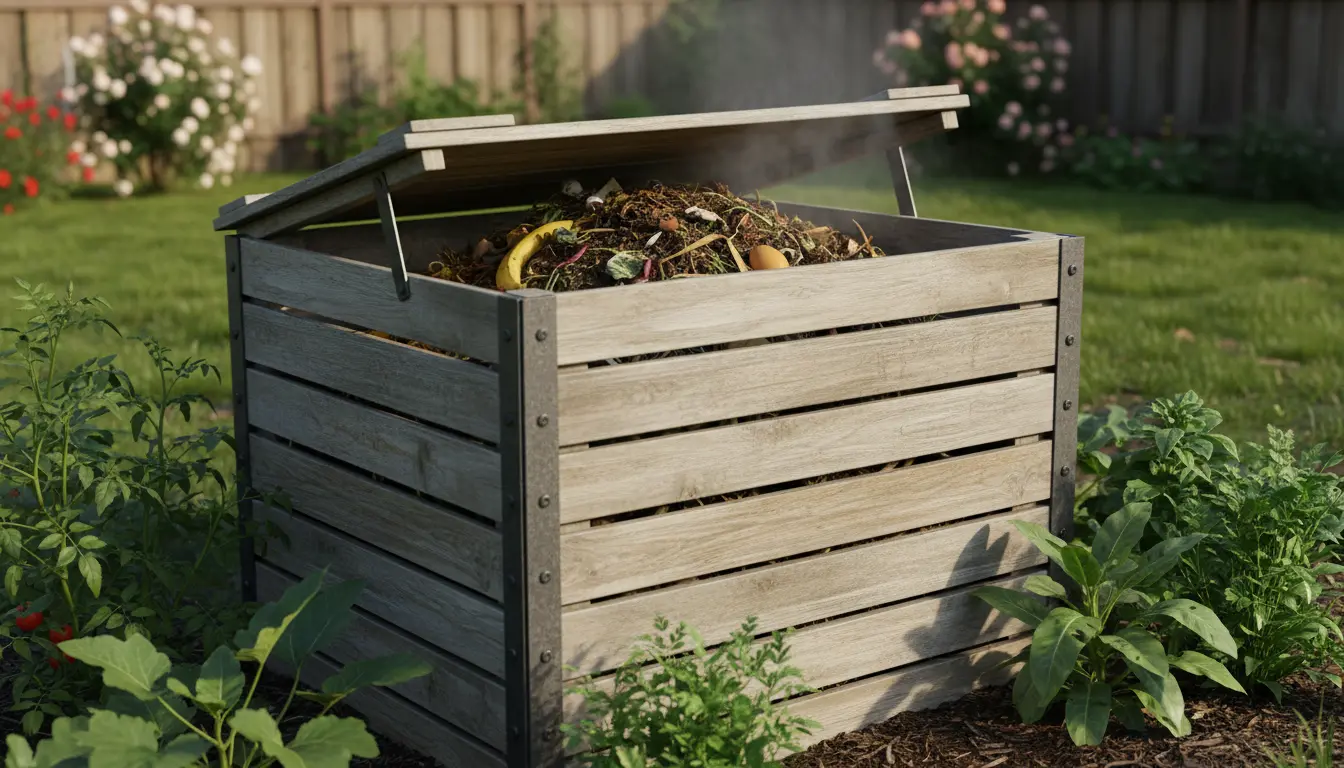
Home composting turns kitchen scraps and yard waste into a useful soil amendment. This guide gives step-by-step instructions and troubleshooting tips so beginners can start composting confidently at home.
What is Home Composting?
Home composting is the controlled breakdown of organic materials into humus. It uses microbes, moisture, oxygen, and a mix of materials to produce nutrient-rich compost for plants.
Choosing a Home Composting System
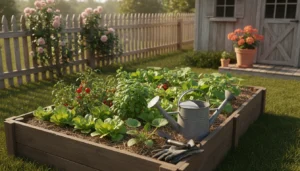
Choosing the right system depends on space, budget, and how much waste you produce. There are simple heap methods and enclosed systems for small spaces.
Compost Bins and Tumblers for Home Composting
Bins and tumblers keep compost neat and speed up decomposition. Tumblers are easy to turn and work faster, while stationary bins are cheaper and hold more material.
Indoor and Small-Space Options for Home Composting
Indoor composters suit apartments and urban homes. Options include bokashi systems and small countertop digesters. These reduce odors and keep pests away.
Basic Steps for Home Composting
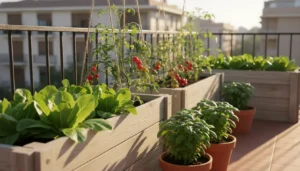
Follow simple steps to get a reliable compost pile. Each step helps create the conditions microbes need.
- Choose a location: A shaded, level spot with good drainage works best.
- Collect materials: Gather kitchen scraps, yard waste, and dry materials like leaves and paper.
- Layer and mix: Alternate greens (wet, nitrogen-rich) and browns (dry, carbon-rich).
- Maintain moisture: Keep the pile as damp as a squeezed sponge—too wet or too dry slows decomposition.
- Turn regularly: Aerate the pile every 1–2 weeks for faster, odor-free composting.
Balancing Greens and Browns in Home Composting
A proper balance of greens and browns speeds decomposition and prevents smells. Aim for roughly 2–3 parts brown to 1 part green by volume.
- Greens: vegetable scraps, coffee grounds, grass clippings.
- Browns: dry leaves, straw, shredded paper, cardboard.
- Other additions: small amounts of garden soil or finished compost to inoculate the pile.
Compost can hold up to 30% more water than garden soil, reducing irrigation needs and improving drought resilience.
Troubleshooting Common Problems in Home Composting
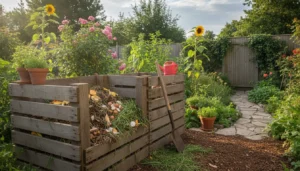
Even simple systems can run into issues. Use these quick checks to correct common problems.
- Bad smell: Add more brown materials and turn the pile to add oxygen.
- Pests: Avoid meat, dairy, and oily foods; use a closed bin or bury food waste in the center.
- Too dry: Add water and some green materials; cover the pile to retain moisture.
- Too wet: Mix in dry browns and increase aeration by turning or adding coarse material.
- Slow breakdown: Check particle size—shred large pieces and increase surface area for microbes.
Case Study: Small Apartment Home Composting
Maria lives in a two-bedroom apartment and started a simple system using a compact tumbling bin on her balcony. She collected kitchen scraps in a sealed container and added shredded cardboard as brown material.
Within three months she had usable compost for her balcony herb pots. Her waste to compost conversion cut kitchen trash by about half and improved her herbs’ growth.
Using Finished Compost from Home Composting
Finished compost is dark, crumbly, and earthy-smelling. Use it to improve soil structure, add nutrients, and support beneficial microbes.
Apply compost as a top dressing, mix into potting soil, or make compost tea for a liquid feed. A typical application is a 1–2 inch layer on garden beds in spring or fall.
Quick Checklist to Start Home Composting
- Choose a bin or method that suits your space.
- Collect both greens and browns and store them nearby for easy access.
- Monitor moisture and turn the pile regularly.
- Keep out meat, dairy, and pet waste to avoid pests.
- Harvest finished compost when it is dark and crumbly.
Home composting is a simple, practical way to reduce waste and improve your soil. Start small, learn from a few cycles, and adjust your approach for the best results.