
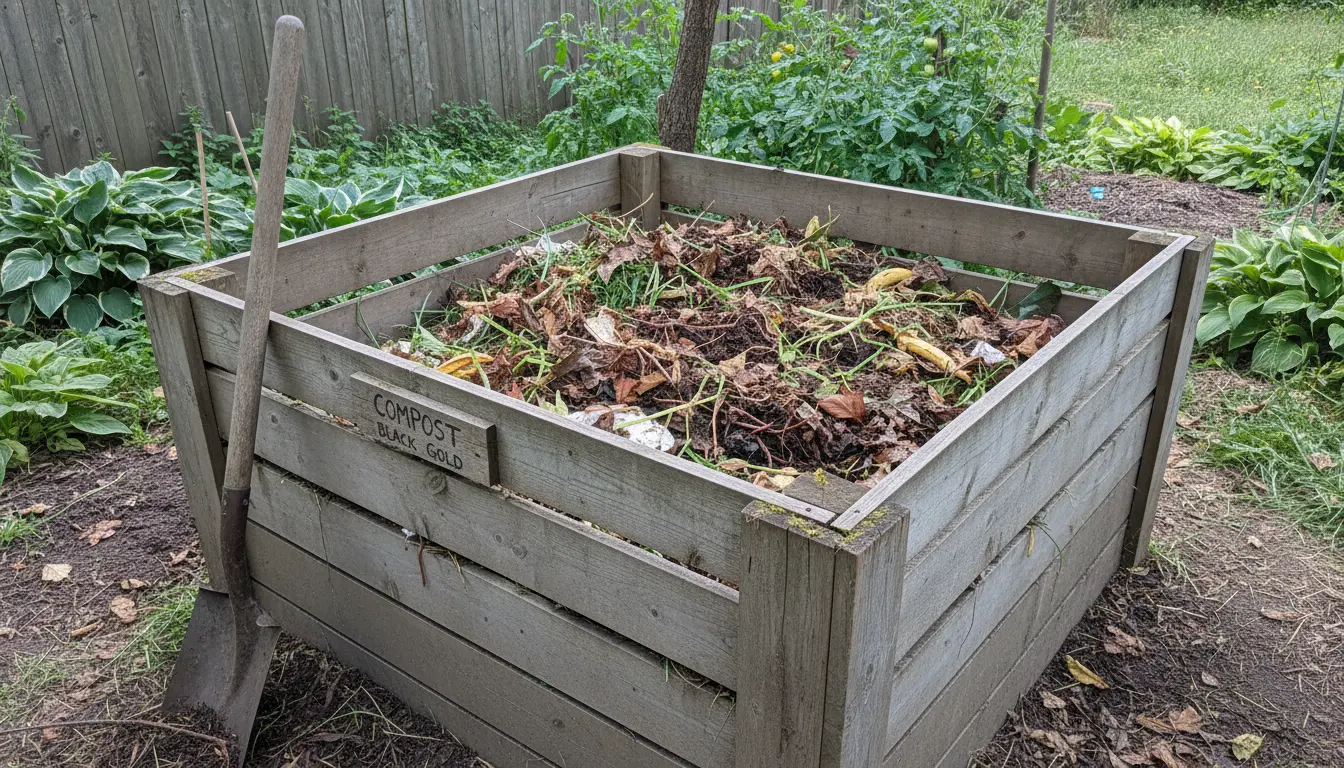
Why Home Composting Matters
Home composting turns kitchen and yard waste into useful soil. It reduces landfill trash and supplies nutrients for your garden.
This guide explains simple steps for home composting, common problems, and easy methods you can start this weekend.
Basic Principles of Home Composting

Compost works when microbes break down organic matter. You need the right balance of carbon, nitrogen, air, and moisture.
Think of these four elements as the main tasks to manage while composting at home.
Carbon and Nitrogen Balance
‘Browns’ supply carbon and ‘greens’ supply nitrogen. A common target ratio is roughly 3 parts browns to 1 part greens by volume.
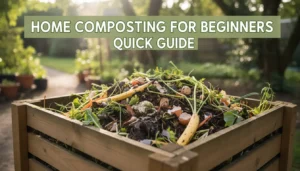
Examples of browns are dry leaves, shredded paper, and straw. Greens include vegetable scraps, coffee grounds, and grass clippings.
Air and Moisture
Microbes need oxygen. Turn or aerate the pile every 1 to 2 weeks to keep decomposition active.
Moisture should be like a wrung-out sponge. Too dry and microbes slow down; too wet and the pile becomes smelly.
Methods for Home Composting
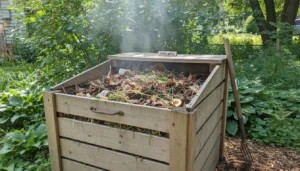
Choose a method that fits your space, time, and budget. Each method can produce good compost when managed correctly.
Open Bin or Pile
Good for yards with space. Build layers of browns and greens and turn periodically.
Costs are low and capacity can be large. It may attract pests if not covered properly.
Rotating Tumblers
Tumblers make aeration easy and speed up decomposition. They are more contained and reduce pest problems.
They require regular turning and are ideal for smaller spaces or patios.
Vermicomposting
Using worms is efficient for kitchens and apartments. Worm bins produce rich castings and a small amount of liquid fertilizer.
Worms prefer vegetable scraps and paper; avoid citrus and onion in large amounts.
Step by Step: Start Home Composting
Follow these steps to begin a reliable compost system at home. Each step is quick and practical.
- Pick a method: bin, tumbler, or worm bin depending on space.
- Choose a location: shaded, level, and with good drainage.
- Collect materials: separate a container for kitchen scraps and gather yard trimmings.
- Layer materials: start with coarse browns at the bottom, then alternate greens and browns.
- Maintain moisture and aerate: check weekly and turn or rotate the pile.
- Harvest: compost is ready when it is dark, crumbly, and smells earthy.
Troubleshooting Home Composting Problems
Many common issues are fixable with small adjustments. Below are typical problems and quick solutions.
- Bad odor: Add more browns and mix the pile to add oxygen.
- Pests: Use a closed bin, bury food scraps, and avoid meat or oily foods.
- Slow decomposition: Increase greens or chop materials into smaller pieces.
- Too wet: Add dry browns and turn to aerate, or add drainage at the base.
Maintaining Your Home Compost System
Routine checks save time and keep compost healthy. A short weekly inspection is enough for most systems.
Keep a small kitchen container for scraps and empty it into the main pile regularly. Replace bedding in worm bins as needed.
Useful Maintenance Tips
- Chop or shred large items to speed composting.
- Rotate layers to distribute heat and microbes evenly.
- Monitor temperature: active piles heat and cool as they work.
- Use finished compost as mulch or soil amendment in small amounts first.
Real World Example: Small Family Case Study
The Martinez family started home composting in a suburban backyard using a two-bin system. They aimed to reduce kitchen waste and improve their vegetable beds.
Within six months they reduced their garbage by 60 percent. They turned the active bin weekly and added a mix of shredded leaves and kitchen scraps.
The final compost enriched their tomato beds and increased yields without chemical fertilizer. This practical approach required 15 minutes of effort per week.
Composting one family household can divert up to 600 pounds of organic waste from landfill annually. Finished compost also improves soil water retention and reduces the need for added fertilizers.
Practical Uses for Finished Compost
Use finished compost to topdress lawns, mix into potting soil, or layer around trees and shrubs. It improves soil structure and feeds plants slowly.
Start by mixing 10 to 25 percent compost into garden soil and adjust over time based on plant response.
Final Checklist Before You Start Home Composting
- Choose a system that fits your space and schedule.
- Gather a steady supply of browns and greens.
- Plan a weekly check and occasional turning routine.
- Keep a small kitchen container to separate scraps from trash.
Home composting is a low-cost, effective way to reduce waste and improve garden health. With small, consistent steps you can build a reliable system that fits your household.