
Why Choose Home Composting
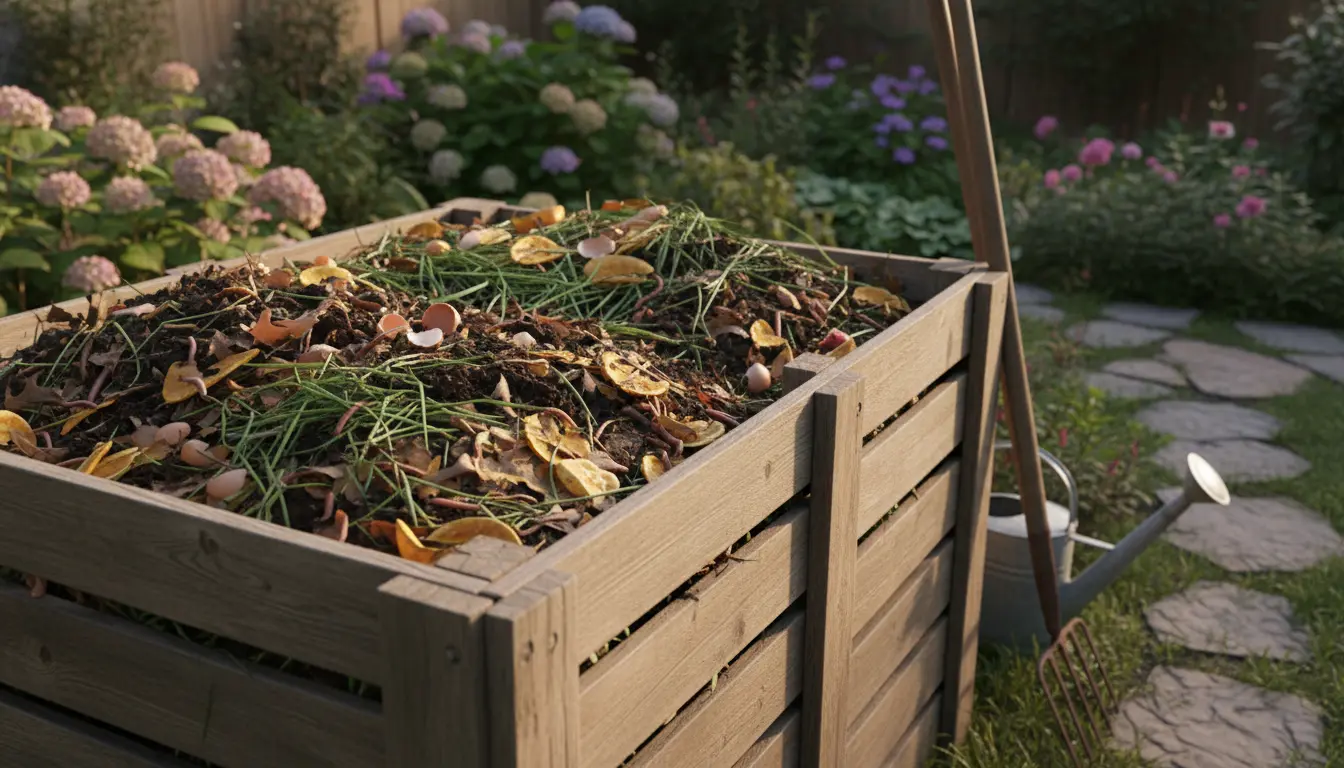
Home composting turns kitchen and yard waste into a nutrient-rich soil amendment. It reduces trash, lowers methane from landfills, and improves garden health.
For most households, composting is simple, low-cost, and scalable from a small balcony bin to a backyard pile. You do not need fancy equipment to get started.
How to Start Home Composting
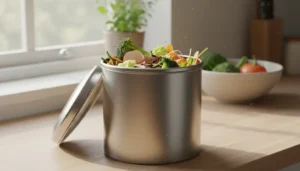
Starting home composting takes a few basic steps: pick a method, gather materials, and maintain balance. This guide walks through practical choices and easy routines.
Choose a Composting Method
Common options include a compost bin, tumblers, a pile, or indoor systems like bokashi. Choose based on space, budget, and how fast you want compost.
Bins and tumblers contain material and reduce pests; piles are free but need more management. Bokashi suits small apartments and handles cooked food.
Select a Location
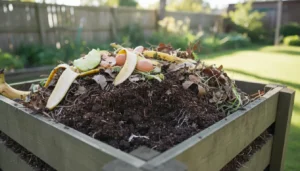
Place your bin on soil or a well-drained surface in a partly shaded area. Direct sunlight dries compost too quickly, while constant wet shade can slow decomposition.
For apartment setups, keep an indoor container for kitchen scraps and transfer to an outdoor system periodically or use a bokashi bucket.
Add Materials: Greens and Browns
Compost needs a balance of nitrogen-rich “greens” and carbon-rich “browns.” Aim for roughly a 2:1 to 3:1 ratio of browns to greens by volume.
- Greens: fruit and vegetable scraps, coffee grounds, fresh grass clippings.
- Browns: dry leaves, shredded paper, straw, wood chips, cardboard.
Chop or shred large items to speed breakdown. Layer materials to keep airflow and prevent compaction.
Build and Maintain Your Pile
Start with a layer of coarse browns to help drainage. Alternate greens and browns, keeping layers a few inches thick. Maintain moisture like a wrung-out sponge.
Turn the pile every 1–2 weeks to add oxygen and speed decomposition. If using a tumbler, rotate according to manufacturer guidance.
Monitor Temperature and Moisture
An active compost pile heats to 120–140°F (49–60°C) if sized and balanced correctly. You don’t need a thermometer, but a warm, steamy center signals activity.
If the pile smells sour or ammonia-like, add more browns and turn. If it is dry and slow, add water and more greens.
Troubleshooting Common Problems in Home Composting
Bad Odors
Bad smells usually mean too much green or poor aeration. Stir the pile and add dry browns like shredded paper or leaves.
Pests and Rodents
Avoid meat, dairy, oily foods, and bones in outdoor bins unless you use a sealed tumbler. Use a lid, bury food into the center, or use enclosed composters to deter animals.
Slow Decomposition
Slow breakdown often results from low moisture, large pieces, or too much brown material. Chop materials finer, water lightly, and add some fresh greens.
What to Compost and What to Avoid
- Good: fruit and veg scraps, coffee grounds, eggshells, tea bags, grass clippings, leaves, cardboard, paper
- Avoid: meat, dairy, bones, oils, diseased plants, pet feces (unless composting specialized systems)
Compost improves soil structure and water retention. Adding 1 inch of finished compost to your garden can increase soil organic matter and reduce watering needs.
Small Real-World Example
Case study: A two-person household in a city used a 50-liter tumbling composter. They added kitchen scraps and shredded mail, turned every 3–4 days, and reached finished compost in about 12 weeks.
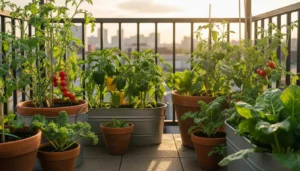
The completed compost was mixed into potted plants and a small vegetable bed, which showed healthier growth and less need for store-bought fertilizer.
Tips for Faster Results and Less Work
- Shred or chop materials before adding them.
- Keep the pile moist but not soggy; cover during heavy rain.
- Stay consistent—small, regular additions yield steady results.
- Use finished compost as a top dressing or soil amendment, not as a complete potting mix.
How to Tell When Compost Is Ready
Finished compost is dark, crumbly, and earthy-smelling. Most original materials should be unrecognizable. Small woody bits may remain and can be screened out.
Use finished compost to enrich garden beds, improve lawn soil, or make potting blends. It supports plant health and soil life.
Final Checklist for Home Composting
- Choose a method that fits your space (bin, tumbler, pile, bokashi).
- Balance greens and browns and maintain moisture and aeration.
- Monitor for odors, pests, and moisture issues and adjust accordingly.
- Use finished compost to enrich soil and reduce fertilizer use.
Home composting is a practical way to reduce waste and boost garden health. With a few routines and simple monitoring, most households can produce quality compost all year round.