
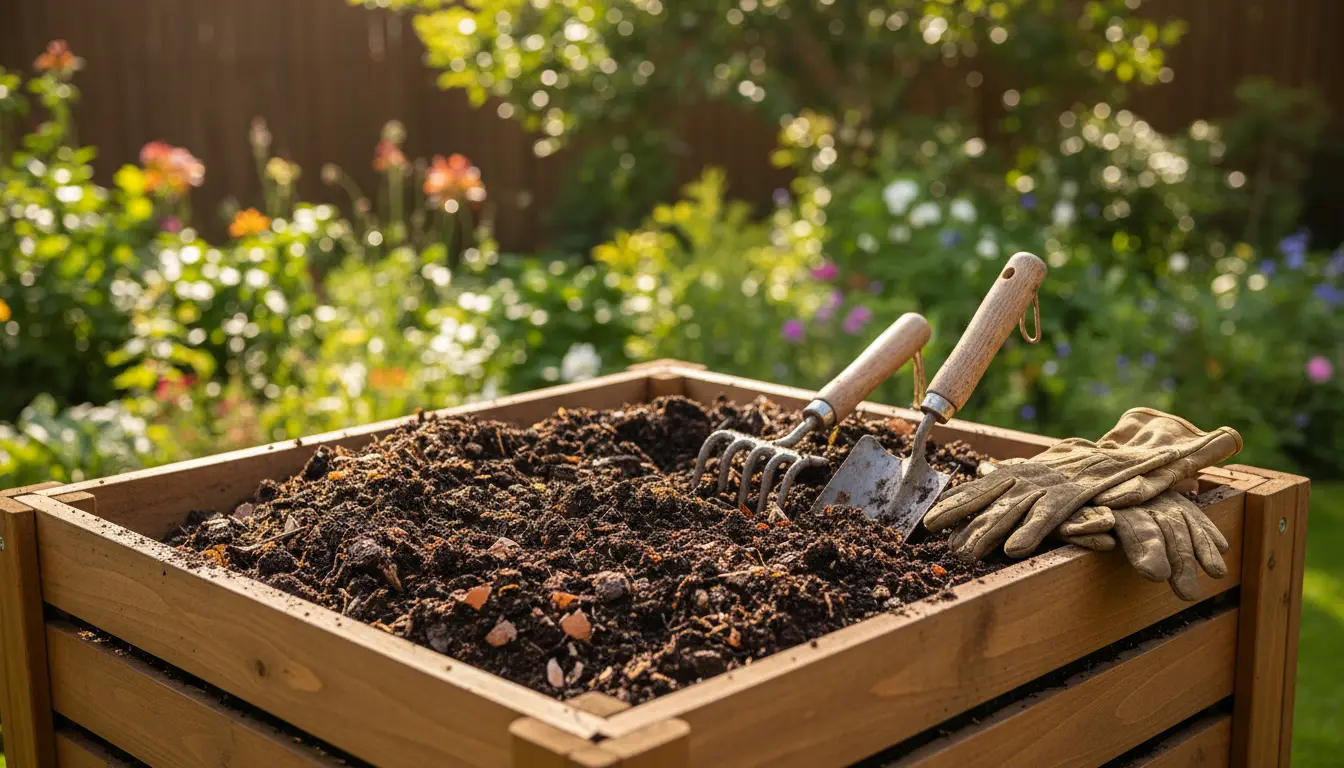
Why home composting matters
Home composting turns kitchen scraps and yard waste into useful soil amendment. It reduces household waste, lowers methane from landfills, and improves garden health.
This guide gives clear steps, system choices, and troubleshooting tips so you can start composting today.
Home composting basics
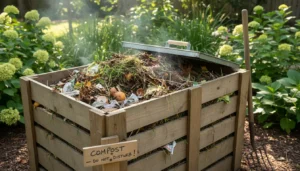
Compost is made by decomposing organic materials with the help of microbes, moisture, and oxygen. Aim for a balance of carbon rich (brown) and nitrogen rich (green) materials for efficient breakdown.
Key signs of a healthy pile are a mild earthy smell, warmth, and steady reduction in volume over weeks to months.
Essential items for home composting
- Compost bin or pile space
- Kitchen collection container or compost caddy
- Mixing tool (pitchfork or garden fork)
- Carbon materials: dry leaves, shredded paper, straw
- Nitrogen materials: fruit and vegetable scraps, coffee grounds, grass clippings
Choosing a home composting system
Pick a system that fits your space, climate, and time. Small apartments, suburban yards, and urban homes all have different good options.
Common home composting systems
- Open pile: Simple and low cost for yards with space. Requires turning and monitoring moisture.
- Tumbler bin: Enclosed and easy to turn. Faster heating and less direct contact with pests.
- Compost bin: Stationary bins with access panels. Good for moderate control and size.
- Bokashi: Fermentation system that works well indoors and for small spaces. Requires post-processing in soil or a traditional compost.
- Worm bin (vermicomposting): Uses worms to break down food scraps. Works indoors and in small spaces but needs temperature control.
Step by step: Start home composting
Follow these steps to create a reliable compost routine at home. Each step keeps the process simple and repeatable.
1. Set up a collection routine
Keep a small kitchen caddy for scraps. Empty it to your outdoor bin or indoor system at least every few days to avoid odors and pests.
Line the caddy with paper or use a container with a tight lid for best results.
2. Build the right mix
Start your bin with a layer of coarse brown material to aid airflow. Alternate layers of green and brown materials to reach a roughly 25–30:1 carbon to nitrogen ratio by weight.
Practical rule: for every bucket of greens, add about three buckets of browns. Chop large items to speed decomposition.
3. Maintain moisture and aeration
Compost should be as damp as a wrung-out sponge. Add water during dry spells and cover during heavy rains.
Turn the pile every 1–2 weeks for aerobic systems to supply oxygen and distribute heat.
4. Monitor and troubleshoot
Watch for common issues like foul smells, slow breakdown, or pests. Each has a straightforward fix.
- Smell: Add more brown materials and turn the pile to introduce air.
- Too dry: Add water and green materials.
- Too wet: Add dry browns and increase turning frequency.
- Pests: Avoid meat, dairy, and oily foods; use enclosed bins or bury scraps beneath 6–8 inches of finished compost.
Home composting timeline and expectations
Compost time varies. With a hot, well-managed pile you can get finished compost in 2–3 months. Slower, passive piles or cooler climates can take 6–12 months.
Finished compost is dark, crumbly, and has an earthy smell. Use it as mulch, soil amendment, or in potting mixes.
Small case study: Urban apartment home composting
Example: A two-person apartment household started with a bokashi bucket for kitchen scraps and a small outdoor worm bin for processed material. After six months they cut their kitchen waste destined for the trash by 60%.
They used bokashi to ferment food scraps, then buried the fermented matter in the worm bin. The worms processed the material into rich castings for container plants.
Practical tips for success with home composting
- Keep a simple log to track turning and moisture checks. It helps spot problems early.
- Save shredded paper and dried leaves during fall to balance greens year-round.
- Use a kitchen caddy with a charcoal filter if odors are a concern indoors.
- Start small and scale up. A small, well-managed system beats a large neglected pile.
Common mistakes to avoid in home composting
- Adding cooked food, meat, or dairy to open outdoor piles where pests are common.
- Ignoring balance — too many greens create odors, too many browns slow decomposition.
- Not chopping large items — smaller pieces break down faster.
- Overcomplicating the process — consistency matters more than perfection.
Final checklist to start home composting today
- Choose a system that fits your space and lifestyle.
- Gather initial brown and green materials before you begin.
- Set a simple routine for collection, turning, and moisture checks.
- Monitor results and adjust ratios or frequency as needed.
Home composting is a low-cost, high-impact habit that improves soil and reduces waste. Start with small, steady steps and build a system that fits your home. The results are practical, measurable, and rewarding for both garden and planet.