
Why Home Composting Matters
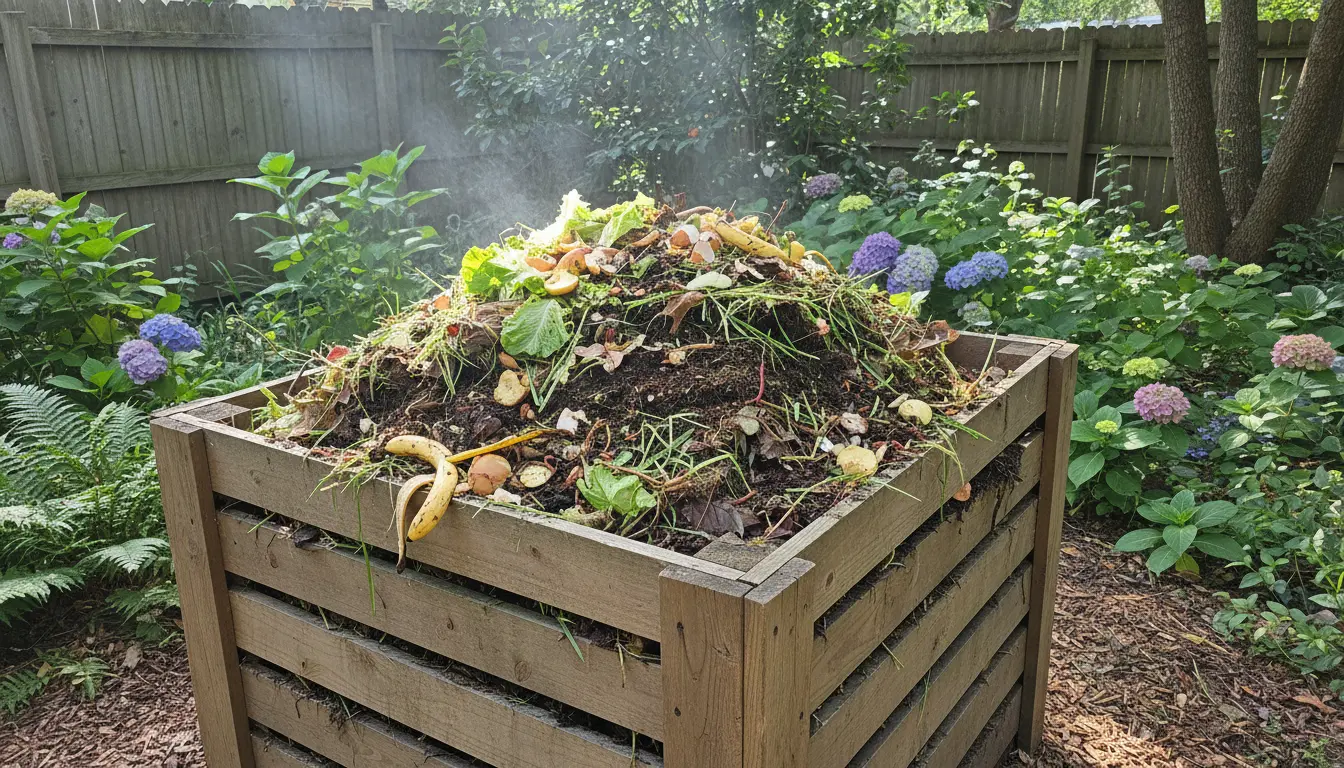
Home composting reduces household waste, improves soil health, and saves money on fertilizer. It is a simple system that turns kitchen scraps and yard waste into nutrient-rich compost.
This guide gives clear, practical steps to start home composting whether you have a backyard, balcony, or only a small kitchen.
How to Start Home Composting
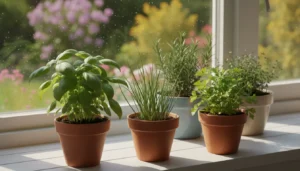
Choose the right method for your space and routine. The three common approaches are backyard bins, tumblers, and small indoor systems for apartments.
Decide on a location that is convenient for adding scraps and has good drainage and airflow. A shaded spot reduces drying out in summer.
Choosing a Compost Bin
Select a bin based on space and maintenance preference. Open bins are low cost but need a bit more attention. Tumblers are tidy and speed up decomposition.
For balconies or small patios, use a compact worm bin or a Bokashi system to handle food waste without odors.
What to Compost
Balance green materials (nitrogen) with brown materials (carbon). Greens include vegetable scraps, coffee grounds, and fresh grass clippings.
Browns include dry leaves, shredded paper, cardboard, and wood chips. The ideal mix is roughly 2–3 parts brown to 1 part green by volume.
- Greens: fruit and vegetable peels, coffee grounds, tea bags, fresh garden cuttings
- Browns: dry leaves, shredded paper, cardboard, straw
- Avoid: meat, dairy, oily foods, diseased plants, and pet waste
Maintaining Your Compost
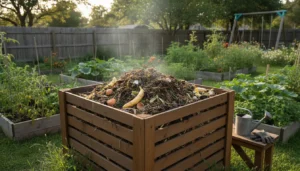
Keep the compost moist, about as wet as a wrung-out sponge. If it’s too dry, add water; if it’s too wet, add more brown material and increase aeration.
Turn the pile every 1–2 weeks to introduce oxygen and speed breakdown. Tumblers make turning easier and more frequent.
Troubleshooting Common Problems in Home Composting
Bad smells usually mean too much green or poor airflow. Add browns and turn the pile to bring oxygen back.
Slow decomposition may be caused by large pieces or low temperatures. Chop materials smaller and keep the pile warm by adding more green and insulating if needed.
Composting reduces methane emissions from landfills and can lower household waste weight by up to 30 percent when practiced regularly.
Case Study: Small Apartment Home Composting Success
Maria, a city renter, started a 10-liter worm bin under her kitchen sink. She collected fruit and vegetable scraps in a sealed counter caddy and emptied it every 2–3 days.
After four months she produced a steady supply of worm castings for her balcony plants and reduced her trash volume by 40 percent. Monthly maintenance took about 15 minutes.
Composting Schedule and Quick Tips
Consistency helps. Follow a simple weekly routine to keep the system healthy and odor-free.
- Daily: Collect kitchen scraps in a lidded container or caddy.
- Weekly: Add scraps to the bin and cover with a layer of brown material.
- Every 1–2 weeks: Turn the pile or tumble your bin.
- Monthly: Check moisture and adjust as needed.
Tools and Materials You’ll Need
Most compost setups require only a few basic items. You can start with low cost or repurpose materials.
- Compost bin or tumbler (or worm bin for indoor use)
- Kitchen caddy with lid for collecting scraps
- Garden fork or compost aerator for turning
- Shredding tool or scissors for cutting large items
How to Use Finished Compost
Finished compost looks dark, crumbly, and earthy-smelling. It can be mixed into garden soil, used as a potting mix amendment, or applied as a top dressing.
Use a 1–3 inch layer of compost around plants or mix 10–20 percent compost into potting soil for seedlings and containers.
Final Checklist for Successful Home Composting
- Choose a bin that fits your space and schedule.
- Balance greens and browns and keep the pile moist.
- Turn the pile regularly to introduce air.
- Monitor for pests and odors and adjust materials accordingly.
Home composting is a practical skill anyone can learn. Start small, follow the basic balance and maintenance rules, and adapt the system to your living situation.
With simple habits and a bit of attention, you can turn everyday waste into a valuable resource for your plants and reduce your environmental footprint.