
Why Home Composting Matters
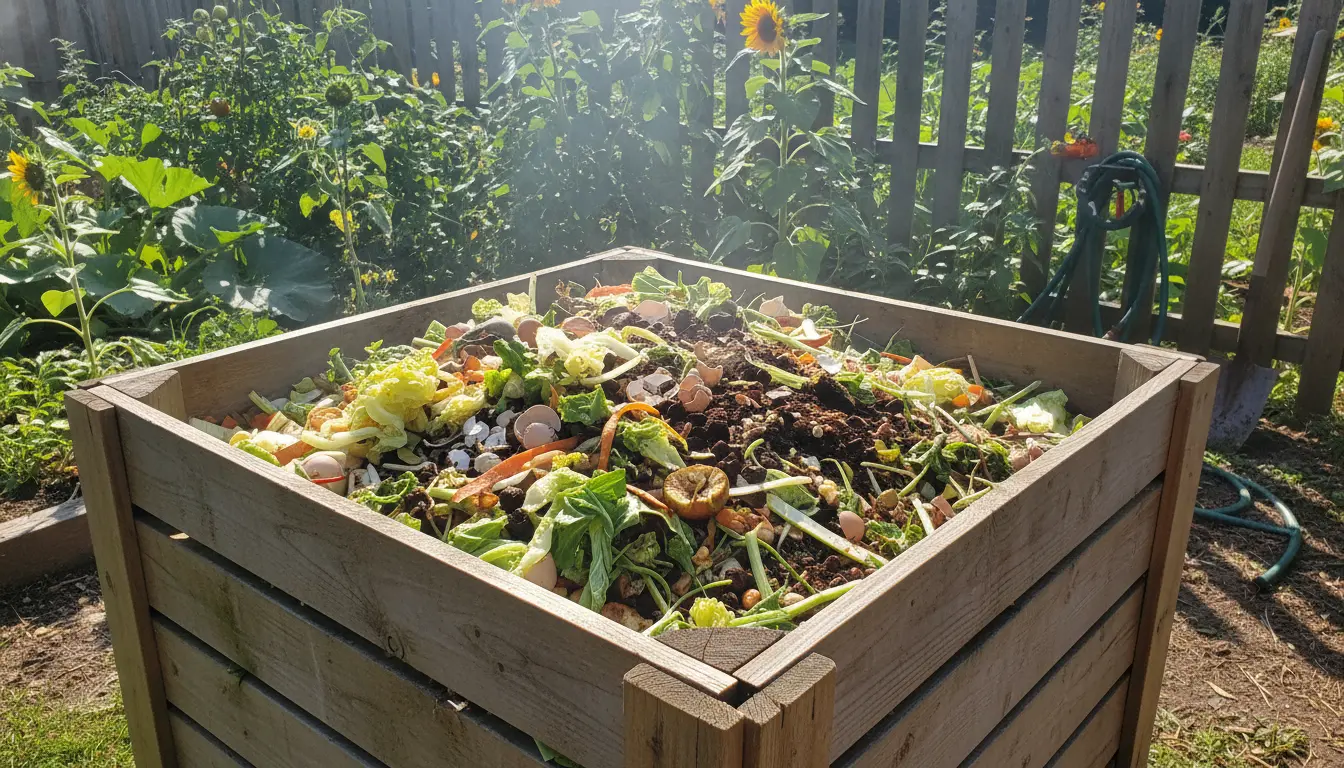
Home composting turns kitchen and yard waste into nutrient-rich soil. It reduces trash, lowers methane emissions from landfills, and improves garden health.
Composting is a simple, low-cost practice that fits many living situations. You can start with a small bin on a balcony or a larger pile in a backyard.
How to Start Home Composting
Starting home composting means choosing a method and learning basic inputs and maintenance. The process is about balancing materials, moisture, and airflow.
Choose a Compost System
Select a compost system that matches your space and effort level. Common options include open piles, tumblers, and countertop bins for bokashi or vermicomposting.
- Open pile: Low cost, needs space, good for yards.
- Tumbler: Faster decomposition, easier turning, more control.
- Vermicompost (worms): Ideal for apartments or small spaces, works indoors with a bin.
- Bokashi: Fermentation method for all food scraps, including meat and dairy.
What to Compost
Compost needs a mix of carbon-rich (browns) and nitrogen-rich (greens) materials. Balance speeds decomposition and prevents odors.
- Greens: Vegetable scraps, fruit peels, coffee grounds, fresh grass clippings.
- Browns: Dry leaves, shredded paper, cardboard, straw.
- Avoid: Meat, dairy, oily foods, diseased plants, pet waste.
Basic Setup and Layering
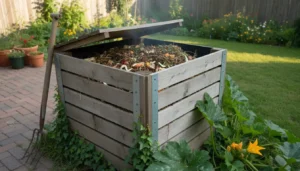
Place your bin on bare soil if possible to allow beneficial organisms to access the pile. Start with a layer of coarse materials to improve airflow.
Alternate thin layers of greens and browns. Aim for about three parts browns to one part greens by volume to maintain a healthy balance.
Maintaining Your Compost
Maintenance is simple: turn, monitor moisture, and adjust materials. Proper care keeps the process aerobic and fast.
Turning and Aeration
Turn the pile every one to two weeks to introduce oxygen. Tumblers simplify this step and reduce manual effort.
Moisture and Temperature
The pile should be as damp as a wrung-out sponge. If it is too dry, decomposition slows; if too wet, odors and anaerobic conditions can occur.
Thermophilic (hot) composting reaches 120–140°F and kills weed seeds and pathogens. Cold composting is slower but still effective for home gardeners.
Troubleshooting Common Problems
- Bad smell: Add more browns and turn the pile to add oxygen.
- Slow breakdown: Chop materials smaller and increase greens for nitrogen.
- Fruit flies: Bury food scraps under browns or use a closed bin.
Composting can reduce household garbage volume by up to 30 percent while returning valuable nutrients to the soil.
Using Finished Compost
Finished compost is dark, crumbly, and smells earthy. It integrates easily into garden beds, potting mixes, and lawn topdressing.
- Mix with garden soil to improve structure and water retention.
- Use as a finishing topsoil layer around plants to add nutrients slowly.
- Create compost tea by steeping finished compost in water for a mild liquid fertilizer.
Small Real-World Case Study
Case Study: A two-person household in a small suburban home started home composting with a 65-gallon tumbler. They diverted vegetable scraps, coffee grounds, and yard trimmings from trash.
After six months of regular turning and balancing browns and greens, they produced 60 liters of finished compost. They used it to enrich their vegetable beds and reported healthier tomato and herb growth the following season.
Practical Tips for Success
- Keep a small countertop container to collect food scraps and empty it daily into your compost system.
- Shred or chop bulky materials; smaller pieces decompose faster.
- Save autumn leaves for browns; they are an excellent long-term carbon source.
- Record additions and turning schedule to track what works for your setup.
Next Steps to Start Home Composting
Decide on a system based on space and commitment level, gather basic materials, and start with a small, manageable pile. Expect a learning curve in the first few months.
Join a local gardening group or composting workshop to learn tips specific to your climate. Local extension services often provide free guidance and resources.
With simple routines and minimal tools, home composting becomes a rewarding part of sustainable living. Start small, observe results, and scale up as you gain confidence.