
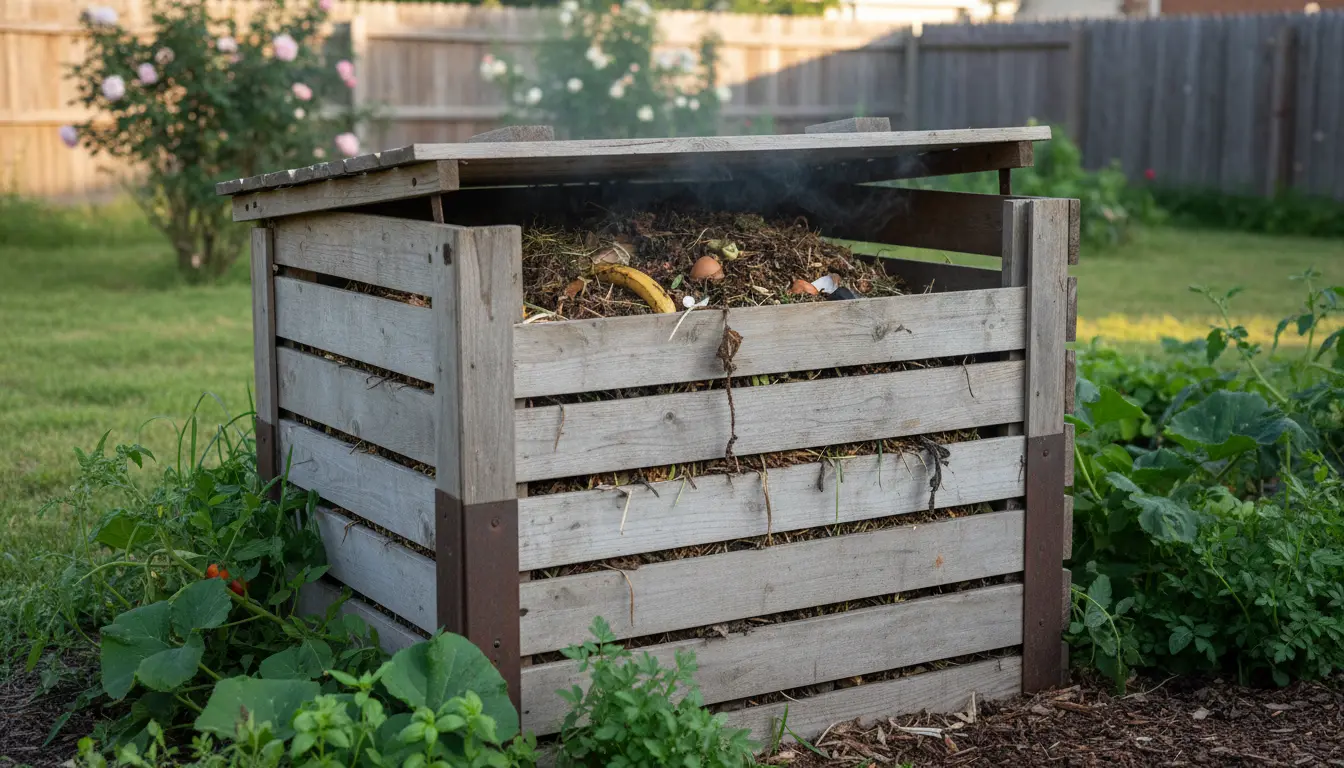
Home Composting Basics
Home composting is a simple way to recycle kitchen scraps and yard waste into nutrient-rich soil. This guide explains practical steps for successful home composting so you can reduce waste and improve garden health.
Why Choose Home Composting
Composting reduces landfill waste and produces free soil amendment for plants. It supports soil structure, increases water retention, and feeds beneficial microbes.
Materials for Home Composting
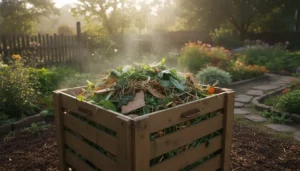
Successful home composting depends on balancing materials called “greens” and “browns.” Greens are nitrogen-rich; browns are carbon-rich.
Common Green Materials
- Vegetable and fruit scraps
- Coffee grounds and tea bags (remove staples)
- Grass clippings (in moderation)
Common Brown Materials
- Dry leaves
- Shredded newspaper or cardboard (no glossy paper)
- Wood chips or sawdust (small amounts)
Setting Up a Home Compost System
Choose a bin or pile that fits your space and composting goal. You can use a commercial tumbler, a simple bin, or an open pile.
Location and Size
Place your compost in a well-drained spot with some shade to prevent drying. A 3x3x3 foot bin is a practical minimum for active composting.
Layering and Ratios
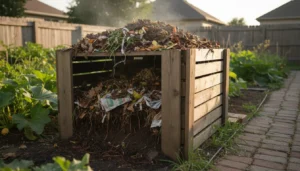
Start with a layer of coarse browns to aid airflow. Aim for roughly 2:1 browns to greens by volume. Alternate layers of green and brown materials and keep the pile moist like a wrung-out sponge.
Step-by-Step Composting Process
- Collect kitchen scraps in a small container with a tight lid to limit pests.
- Shred or chop larger materials to speed decomposition.
- Layer materials in the bin: browns, greens, water as needed.
- Turn the pile every 1–2 weeks to add oxygen and mix materials.
- Monitor moisture and temperature; maintain a damp, warm center.
- Harvest finished compost when it’s dark, crumbly, and earthy-smelling.
How Often to Turn and When Compost Is Ready
Turning frequency depends on the method: hot composters turn more often for faster results. A well-managed pile can be ready in 2–6 months. Cold composting may take a year or more.
Troubleshooting Home Composting
Common problems are easy to solve with small adjustments.
Bad Odor
- Problem: Pungent smell like ammonia or rot.
- Fix: Add dry browns, turn the pile, and ensure airflow.
Pests or Rodents
- Problem: Rats, flies, or raccoons attracted to food scraps.
- Fix: Bury food scraps deeper, use a secure bin, avoid meat and dairy.
Slow Decomposition
- Problem: Materials remain identifiable for months.
- Fix: Chop materials smaller, increase greens for nitrogen, maintain moisture and turn more often.
Using Finished Compost
Finished compost can be worked into garden beds, used as potting mix component, or applied as mulch. Typical application rates are 1–3 inches on beds or 10–20% by volume in potting mixes.
Small Case Study: Urban Balcony Composting
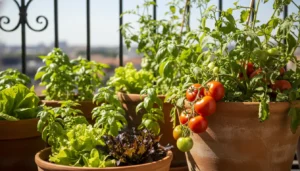
Case: A two-person apartment household started a 30-liter tumbling composter. They collected kitchen scraps for 12 weeks, balancing coffee grounds and vegetable scraps with shredded cardboard.
Results: After three months of turning every 7–10 days and keeping the mix moist, they produced usable compost to top-dress potted herbs. The effort reduced their kitchen waste by about 60% and improved plant health.
Practical Tips for Everyday Home Composting
- Keep a small sealed counter bucket to collect scraps and prevent odors.
- Freeze meat or dairy scraps until disposal if you must compost them; better to avoid these items in open systems.
- Save yard waste in a separate bin to bulk up browns seasonally.
- Use a thermometer to monitor the pile: 130–160°F (55–70°C) indicates active hot composting.
Final Checklist for Successful Home Composting
- Balance greens and browns (approx. 1 part greens to 2 parts browns).
- Maintain moisture like a wrung-out sponge.
- Provide oxygen by turning the pile regularly.
- Avoid meat, dairy, and oily foods in open or small bins.
- Be patient—composting timelines vary by method and season.
With a modest bin and regular attention, home composting is an achievable, cost-effective way to turn organic waste into a valuable resource for your garden.