
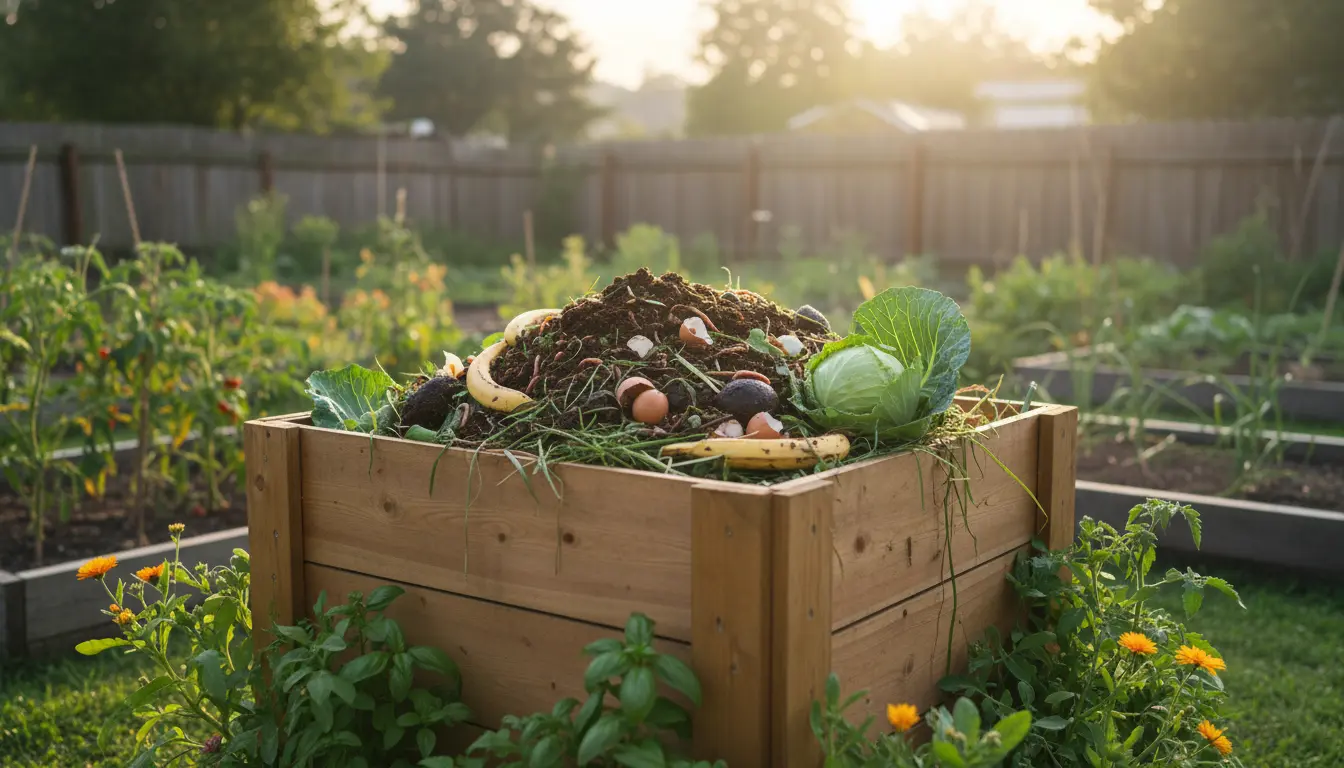
Home Composting Guide: Basics
Home composting turns kitchen and yard waste into useful soil material. This guide explains safe, low-cost methods you can use without special tools.
Keep steps simple: collect materials, build your pile or bin, manage moisture and air, and harvest finished compost. Follow practical checks to avoid odors or pests.
Why Choose Home Composting
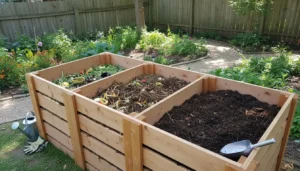
Composting reduces landfill waste and returns nutrients to your garden. It can lower trash volume, reduce methane emissions, and improve soil health.
Even small households can compost successfully using limited space and minimal maintenance.
Home Composting Guide: Materials You Need
Successful composting depends on the right mix of materials. Aim for a balance of carbon and nitrogen sources.
- Brown materials (carbon): dry leaves, straw, shredded paper, cardboard.
- Green materials (nitrogen): kitchen scraps, coffee grounds, fresh grass clippings.
- Extras: soil or finished compost to add microbes, water to maintain moisture, and a bin or designated pile.
Home Composting Guide: Methods to Try
Pick a method based on your space, time, and needs. Each approach works when basic rules are followed.
Outdoor Compost Pile
Good for yards with space. Layer browns and greens, keep the pile about 3 feet wide and high for heat retention.
Turn the pile every 2–4 weeks to add oxygen and speed decomposition.
Compost Bin
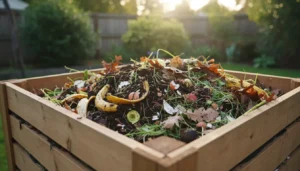
Bins contain material, look tidier, and discourage animals. Choose a tumbling bin or a stationary plastic or wooden bin.
Tumbling bins make turning easier. Stationary bins may need a pitchfork or shovel for mixing.
Vermicomposting (Worm Bin)
Use red worms (Eisenia fetida) to compost kitchen scraps indoors or outdoors. This method is ideal for small spaces and produces nutrient-rich worm castings.
Keep the bin in stable temperatures and avoid citrus, onions, and meat scraps in worm systems.
Home Composting Guide: Step-by-Step Setup
Follow these steps to start a simple backyard compost pile or bin.
- Choose location: level, partially shaded spot with good drainage.
- Assemble base: start with coarse material (twigs) to aid airflow.
- Layer materials: alternate brown and green layers about 2–3 inches each.
- Moisture check: compost should feel like a wrung-out sponge.
- Turn: mix the pile every 2–4 weeks to add oxygen and speed breakdown.
Troubleshooting: Common Problems and Fixes
Compost problems are usually easy to fix with small adjustments.
- Bad smell: add more browns and turn the pile to increase air flow.
- Pests: avoid adding meat, dairy, or oily foods; use a closed bin or buried trenching for scraps.
- Too dry: add water and more green materials.
- Pile not heating: increase size, add more greens, or insulate the pile with straw or a tarp.
Home Composting Guide: Harvesting and Using Compost
Finished compost is dark, crumbly, and earthy-smelling. It usually takes 3–12 months depending on method and conditions.
Use finished compost as a soil amendment, mulch, or potting mix ingredient. Apply a 1–2 inch layer to garden beds or mix 10–30% into potting soil for container plants.
Cost and Time Considerations for Home Composting
Initial costs can be minimal: a simple bin or homemade container works well. You may spend more for tumblers or worm bins.
Time investment varies: a backyard pile needs periodic turning, while a worm bin requires weekly feeding and basic care.
Composting one household’s organic waste can reduce trash weight by up to 30 percent annually and return valuable nutrients to your soil.
Small Case Study: Apartment Compost Success
Emma, a city apartment dweller, started vermicomposting in a 10-gallon bin on her balcony. She added shredded paper, vegetable scraps, and coffee grounds.
Within four months she harvested rich castings and reduced her kitchen waste by nearly half. Her balcony plants grew fuller after she mixed the castings into their soil.
Home Composting Guide: Quick Tips and Best Practices
- Keep a small countertop container with a tight lid for kitchen scraps to reduce odors.
- Chop larger items to speed decomposition.
- Mix materials rather than adding long single layers; this improves airflow.
- Monitor moisture and add water or dry browns as needed.
- Label bins and avoid adding pet waste, diseased plants, or treated wood scraps.
Next Steps for New Composters
Start small and adjust methods as you learn what works in your climate and space. Join local gardening groups or municipal composting workshops for advice.
Keep notes on what you add and how often you turn the pile. Over a few cycles you’ll refine the process and produce consistent compost for your garden.