
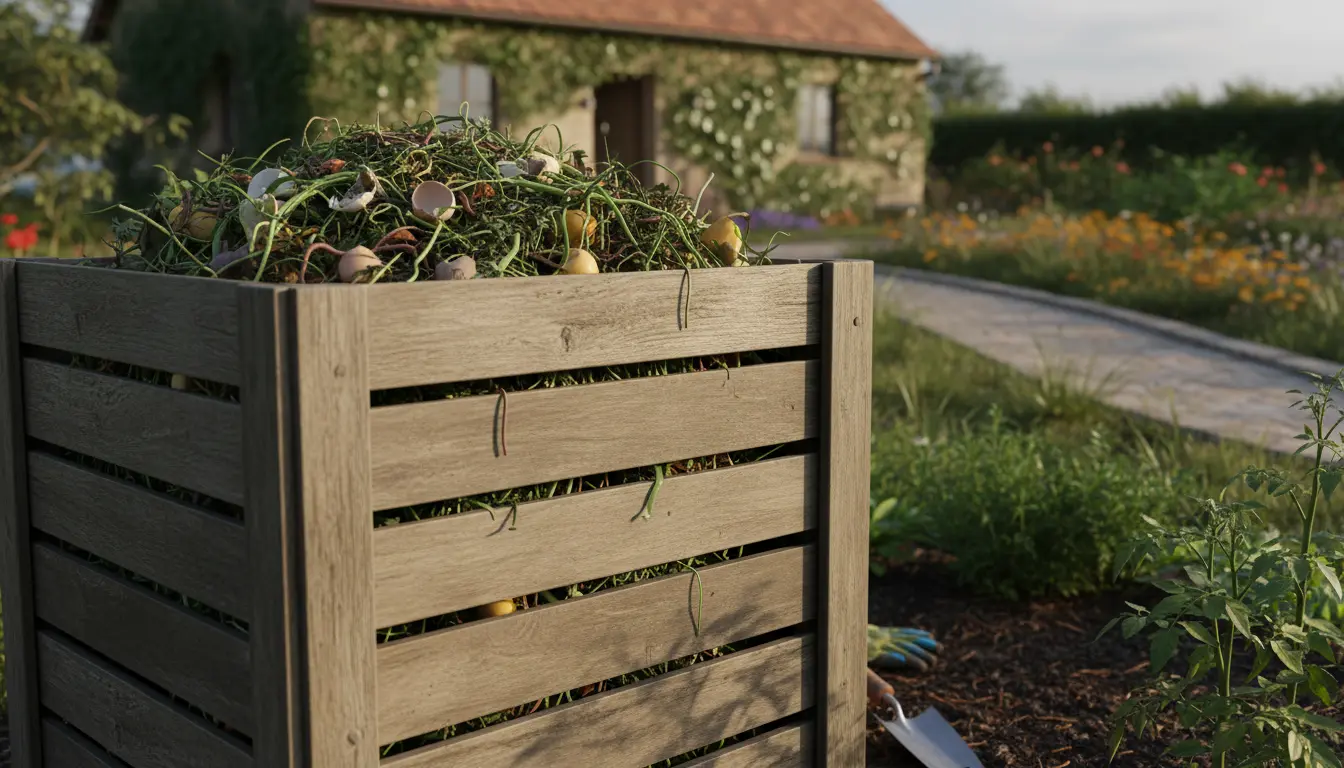
Why Home Composting for Beginners is Useful
Home composting turns kitchen scraps and yard waste into nutrient-rich soil. It reduces household waste and cuts the need to buy soil amendments.
For beginners, composting is an accessible way to reduce trash, lower methane emissions from landfills, and improve garden health.
What You Need to Start Home Composting for Beginners
Starting composting does not require specialized tools. Focus on the basics and build from there as you gain confidence.
- Compost container: a tumbling bin, stationary bin, or a simple pile
- Mix of brown and green materials (see list below)
- Water source and a pitchfork or garden fork for turning
- Basic thermometer (optional) to monitor temperature
Brown and Green Materials
Balance is key. Browns provide carbon; greens provide nitrogen. Aim for roughly 3 parts brown to 1 part green by volume.
- Greens: fruit and vegetable scraps, coffee grounds, fresh grass clippings
- Browns: dry leaves, shredded paper, cardboard, straw
- Avoid: meat, dairy, oily foods, diseased plants, and pet waste
Step-by-Step: Starting Home Composting for Beginners
This simple routine will help you build an active compost pile that breaks down in months rather than years.
- Choose a location: pick a level, well-drained spot with some shade.
- Set up the bin: place your container or create a 3×3 foot pile as a starter.
- Add layers: begin with coarse browns for airflow, then alternate greens and browns.
- Maintain moisture: the pile should be damp like a wrung-out sponge.
- Turn the pile: every 1–2 weeks to introduce oxygen and speed decomposition.
- Monitor progress: finished compost is dark, crumbly, and smells earthy.
How Often Should You Turn the Compost?
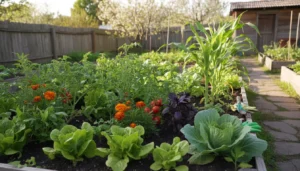
Turning once a week speeds up decomposition. For low-effort composting, turning once a month also works but will take longer.
Troubleshooting Common Issues for Home Composting for Beginners
Even simple piles can develop problems. Use these quick checks to diagnose and fix issues.
- Bad smell: usually too wet or too many greens. Add more browns and turn the pile.
- Pile not heating: add green material and ensure the pile is at least 3x3x3 feet.
- Pests: avoid meat and dairy, cover food scraps with browns, and use a closed bin if needed.
- Slow breakdown: shred materials, increase surface area, and maintain moisture and aeration.
Tips to Speed Up Composting for Beginners
Small adjustments can significantly reduce composting time and improve quality.
- Chop or shred materials before adding them to the pile.
- Keep a balanced carbon to nitrogen mix (about 30:1 C:N ratio is ideal).
- Maintain moisture but avoid soggy conditions that block oxygen.
- Use a compost thermometer to keep the pile in the 130–150°F (55–65°C) range for faster breakdown.
Using Finished Compost
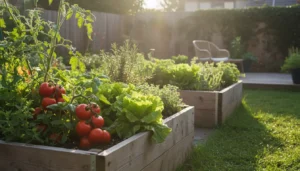
Finished compost can be mixed into garden beds, used as a top dressing, or combined with potting mixes. It improves soil structure and water retention.
Apply a 1–3 inch layer to flower beds or work it into the top few inches of vegetable garden soil before planting.
Small Real-World Case Study
Sarah, a homeowner in Portland, began composting with a 50-gallon tumbling bin in her backyard. She saved about 10 gallons of kitchen waste per week by composting.
After six months, she used the finished compost to topdress her vegetable beds. Her tomato plants produced 20% more fruit and the soil held moisture better during hot weeks.
Quick Checklist for Home Composting for Beginners
- Choose a bin or spot for a pile
- Collect greens and browns separately
- Layer and keep the pile moist
- Turn regularly and monitor smell
- Harvest dark, crumbly finished compost after a few months
Final Notes for Home Composting for Beginners
Start small and be patient. Composting is forgiving and scales with your time and available space.
Track what you add and how often you turn the pile to learn what works best in your climate and home setup.