
Why Home Composting Matters
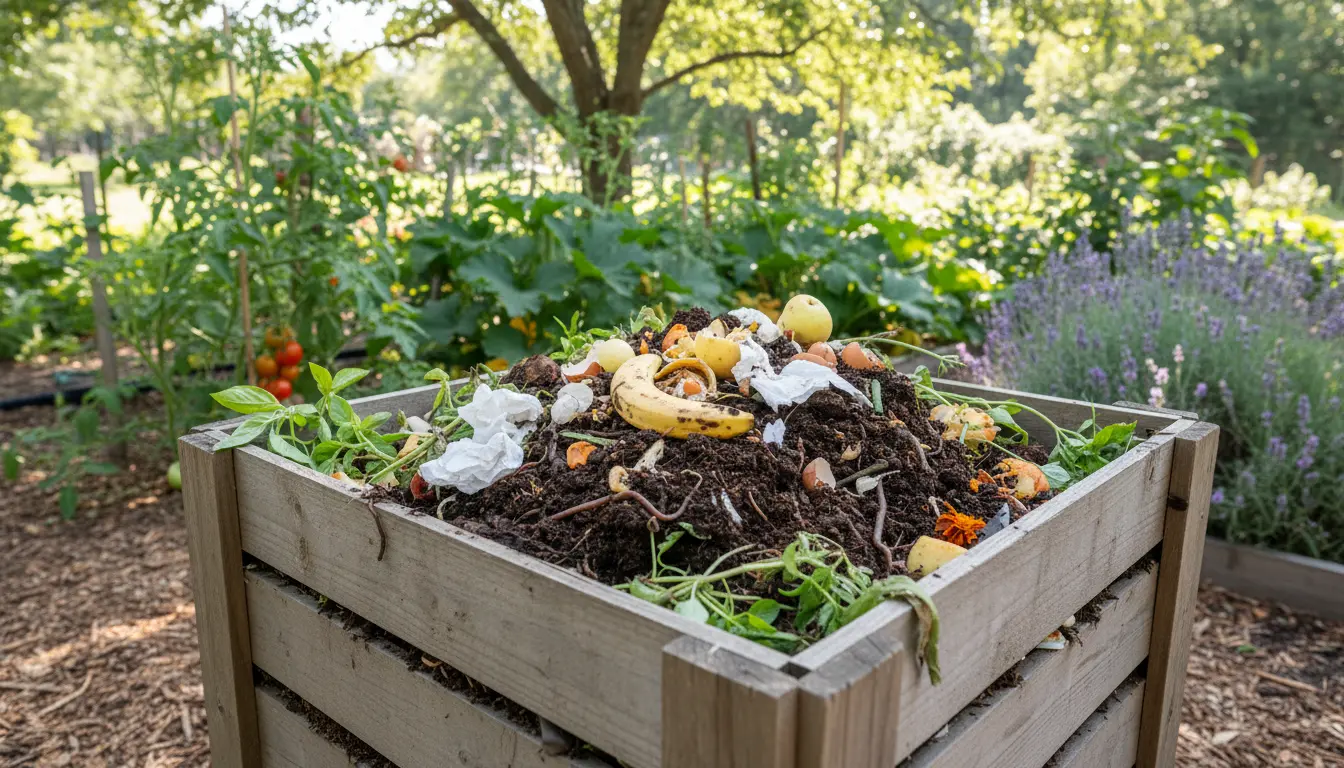
Home composting turns kitchen scraps and yard waste into a nutrient-rich soil amendment. It reduces landfill waste, lowers greenhouse gas emissions, and improves garden soil structure.
Starting a compost pile is practical and inexpensive. You only need basic tools and a simple routine to get results within months.
Basic Principles of Home Composting
Composting is a biological process that needs carbon, nitrogen, moisture, and air. Balancing these elements encourages microorganisms to break down organic matter efficiently.
Think of materials as either browns (carbon) or greens (nitrogen). Proper mixing helps avoid odors and speeds decomposition.
What to Compost
Include a mix of browns and greens for best results. Browns provide structure and carbon; greens supply nitrogen and moisture.
- Greens: vegetable scraps, coffee grounds, fresh grass clippings
- Browns: dry leaves, shredded paper, straw, cardboard
- Avoid: meat, dairy, oils, diseased plants, pet waste
Setting Up a Compost Bin
Choose a container that fits your space: tumblers, wire bins, or simple piles all work. Place the bin on soil or grass to allow beneficial organisms to enter.
Start with a layer of coarse browns to help airflow. Alternate greens and browns in 4–6 inch layers to maintain balance.
Step-by-Step Home Composting Process
Follow these steps to create a healthy compost pile that breaks down quickly and smells fresh.
- Location: Put the bin in a semi-shaded spot near a water source.
- Base layer: Add twigs or coarse browns for drainage and air circulation.
- Balance layers: Add a 2:1 ratio of browns to greens by volume.
- Moisture: Keep the pile as damp as a wrung-out sponge.
- Turn: Aerate the pile every 1–2 weeks to speed decomposition.
- Harvest: Finished compost is dark, crumbly, and earthy-smelling in 2–6 months.
How to Maintain Temperature and Aeration

Hot composting (130–160°F) quickly kills weed seeds and pathogens but needs frequent turning and a larger pile. Cold composting is lower maintenance and works over a longer period.
Turning the pile introduces oxygen. Use a pitchfork or tumbler to mix materials and prevent anaerobic spots that cause odors.
Troubleshooting Common Problems in Home Composting
Small issues are common and usually easy to fix. Identifying the cause helps you correct the pile quickly.
- Bad smells: Add more browns and turn the pile to add air.
- Pile too dry: Add water and some greens to restore moisture.
- Slow breakdown: Shred materials, increase greens, and turn more often.
- Pests: Avoid meat and oily foods, use a closed bin, and bury food scraps.
Using Finished Compost
Apply compost as a top dressing, mix it into potting soil, or use it as a seed starting medium. A handful per planting hole improves soil structure and nutrient content.
Compost also helps retain moisture and reduces the need for chemical fertilizers.
One cubic yard of finished compost can help improve soil fertility for roughly 100 square feet of garden bed when mixed into the top 6 inches of soil.
Small Real-World Example: Urban Apartment Composting
Case Study: A two-person apartment household used a 5-gallon bokashi bucket for six months. They collected kitchen scraps and fermented them weekly before burying the material in a community garden compost bin.
Results: Their household reduced weekly trash volume by 40 percent and returned nutrient-rich matter to the community garden. No odors were reported when following the bokashi steps.
Quick Checklist for Home Composting Success
Use this checklist to start or improve your compost routine. It keeps the process simple and predictable.
- Choose a bin suited to your space and volume of waste.
- Maintain a browns-to-greens balance (about 2:1 by volume).
- Keep the pile moist but not soggy.
- Turn the pile every 1–2 weeks for faster results.
- Avoid putting meat, dairy, and pet waste in home bins.
Final Tips for New Composters
Start small and scale up as you learn. Monitoring moisture and adding the right balance of materials usually solves most problems.
Composting is a practical way to close the loop on organic waste. With a consistent routine, anyone can produce rich compost for gardening and landscaping.