
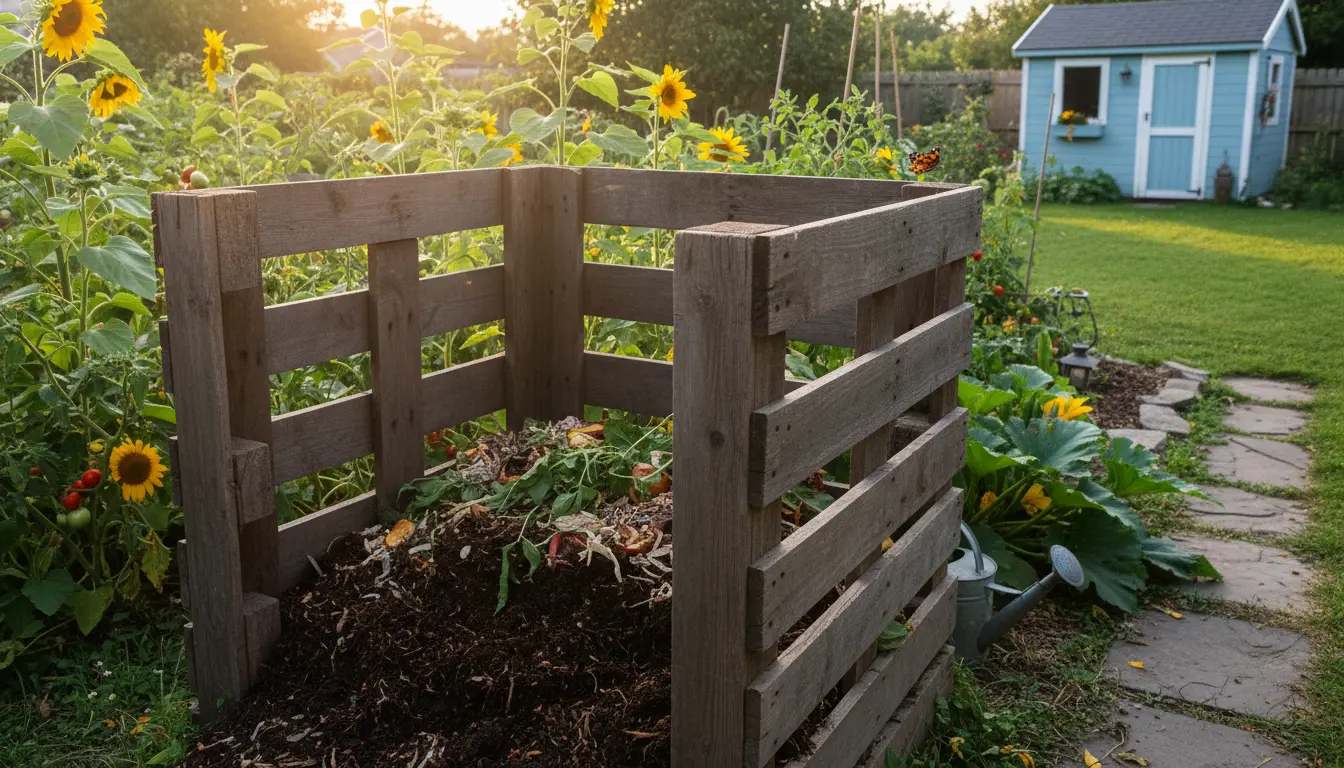
Home composting turns kitchen and yard waste into nutrient-rich material you can use in containers or garden beds. This guide gives clear steps for beginners to set up and maintain a compost system that works in small and large spaces.
Why Choose Home Composting
Home composting reduces household trash and returns organic matter to the soil. It saves money on fertilizers and improves plant health by adding organic matter and beneficial microbes to soil.
Composting also lowers methane emissions from landfills and supports a circular household system for waste management.
Basic Principles of Home Composting
Composting relies on three essentials: carbon, nitrogen, and oxygen. Balance these elements to speed decomposition and avoid odors.
- Brown materials (carbon): dry leaves, shredded paper, cardboard.
- Green materials (nitrogen): vegetable scraps, coffee grounds, grass clippings.
- Oxygen and moisture: turn the pile and keep it damp like a wrung-out sponge.
Home Composting for Beginners: Ideal Ratios
A practical rule is roughly 3 parts brown to 1 part green by volume. This ratio helps microbes work efficiently and prevents the pile from becoming too wet or smelly.
If a pile smells, add more browns and turn more often. If it is dry and slow, add greens and water.
Choosing a Composting Method
Pick a method that fits your space, time, and comfort level. Each method works but has different effort and space needs.
Backyard Pile or Bin
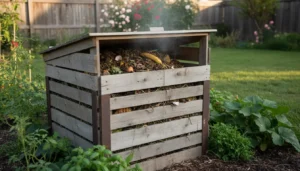
Good for yards and larger gardens. Use a simple open pile or a covered bin to keep pests and moisture under control.
- Pros: Low cost, large capacity.
- Cons: Needs space and occasional turning.
Tumbler Composter
Appeals to people who want faster mixing and less manual turning. Tumblers are enclosed and reduce pest access.
- Pros: Easy turning, tidier look.
- Cons: Limited volume, upfront cost.
Vermicomposting (Worm Bins)
Best for apartments or small spaces. Red wiggler worms convert food scraps into rich castings quickly in a contained bin.
- Pros: Low odor, compact, fast results.
- Cons: Requires care for the worms and consistent temperature range.
Step-by-Step Setup for Home Composting
Follow these steps to build a simple backyard or bin compost system in a weekend.
- Choose a location with some shade and good drainage.
- Collect a mix of browns and greens. Shred large items to speed decomposition.
- Layer 15–20 cm of brown material, then add a thinner layer of greens.
- Keep the pile moist and turn every 1–2 weeks to add oxygen.
- Harvest finished compost after a few months when it is dark and crumbly.
Home Composting for Beginners: Quick Maintenance Tips
- Keep particle size small: chop or shred large scraps and branches.
- Monitor moisture: add water if dry, add browns if too wet.
- Turn regularly: aeration speeds up decomposition and reduces odors.
- Avoid: meat, dairy, oily foods, and diseased plants to prevent pests and pathogens.
Compost can retain up to 20 times its weight in water, reducing the need for frequent watering in potted plants and garden beds.
Troubleshooting Common Problems
Small problems are normal when starting. Use these quick fixes to keep your compost healthy.
- Bad smell: Add more brown material and turn the pile to add oxygen.
- Slow decomposition: Chop materials smaller and ensure the pile is moist and warm.
- Fruit flies: Cover fresh food scraps with a layer of browns or use a closed bin.
- Cold pile in winter: Insulate with extra browns or move the bin to a sheltered spot.
Small Case Study: Apartment Vermicomposting
Maria lives in a two-bedroom apartment and wanted to reduce food waste. She started a worm bin under her kitchen counter using a plastic tote and red wiggler worms.
She added shredded cardboard for bedding and fed the bin daily with small amounts of kitchen scraps. After four months she harvested dark, crumbly worm castings and used them on her balcony tomato pots.
Results: Maria reduced her weekly trash by one small bag and saw healthier plants with less fertilizer use.
Using Finished Compost
Finished compost is dark, crumbly, and earthy-smelling. Use it to enrich potting mixes, top-dress beds, or create a compost tea for houseplants.
Apply a 1–2 inch layer to garden beds or mix one part compost to three parts soil for container plants.
Final Checklist for Home Composting Beginners
- Select a method (pile, bin, tumbler, or vermicompost).
- Collect and balance brown and green materials.
- Monitor moisture, temperature, and odor weekly.
- Turn or aerate as needed to maintain oxygen flow.
- Harvest and use finished compost in your garden or containers.
Home composting is a practical, low-cost way to close the loop on organic waste. Start small, stay consistent, and adapt the process to your living situation. With a little attention, you will produce a valuable soil amendment and cut household waste.