
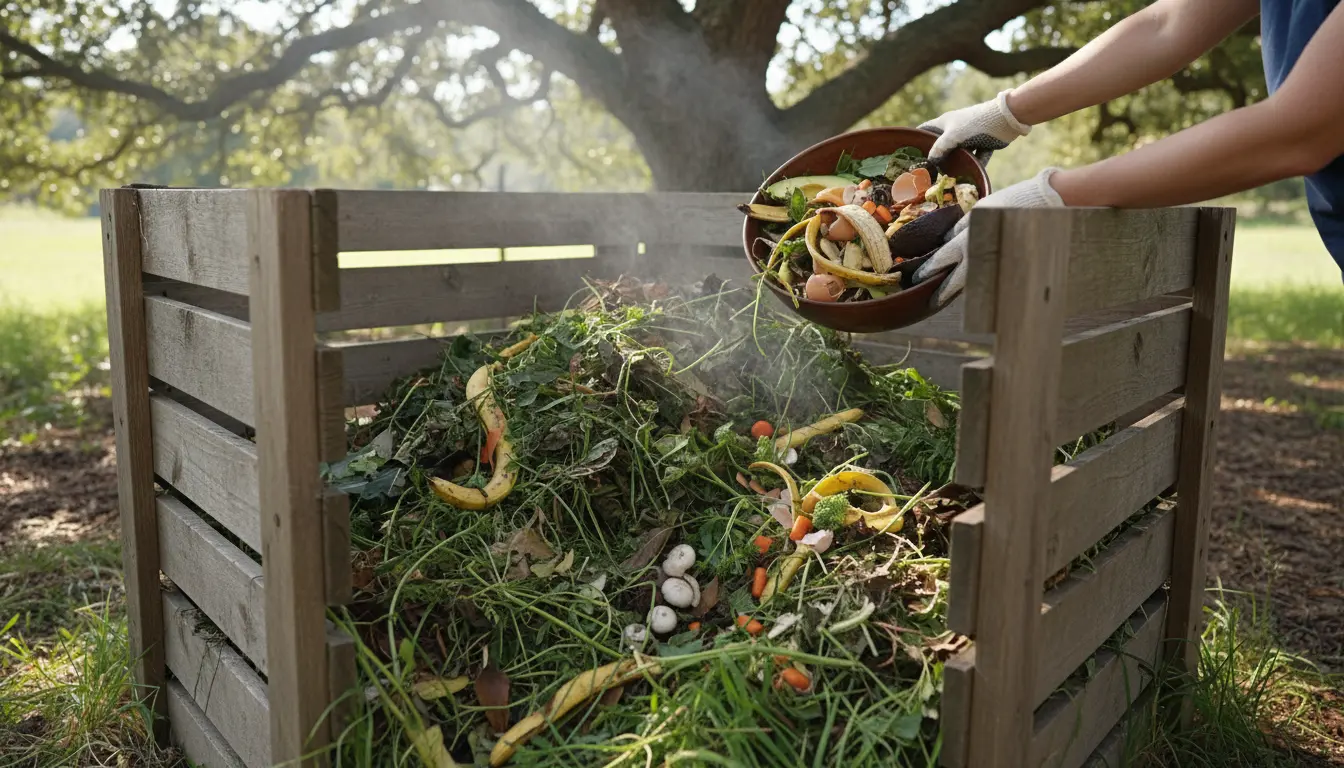
Home Composting for Beginners: Getting Started
Home composting for beginners is an easy way to reduce waste and improve garden soil. This guide explains simple methods, necessary materials, and common problems, so you can start composting this week.
Why Choose Home Composting for Beginners
Composting saves landfill space and returns nutrients to your garden. It also improves soil structure, retains moisture, and helps plants grow healthier with fewer chemical fertilizers.
Key Benefits of Home Composting for Beginners
- Reduces kitchen and yard waste
- Creates nutrient rich soil amendment
- Improves water retention in soil
- Supports a healthy soil ecosystem
Choose a Composting Method
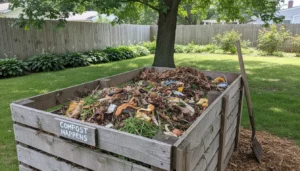
There are several methods suited to different living situations and levels of effort. Pick one based on space, time, and how much material you produce.
Common Options for Home Composting for Beginners
- Basic bin composting: A simple compost bin or tumbler works well for yards and small gardens.
- Cold pile: Low maintenance; suitable if you do not need fast results.
- Hot composting: Faster decomposition with regular turning and balanced materials.
- Vermicomposting: Uses worms to break down kitchen scraps indoors or on a balcony.
Materials to Use and Avoid
Compost needs a balance of carbon rich and nitrogen rich materials. Following a simple ratio helps speed decomposition and avoid odors.
What to Add
- Greens (nitrogen): vegetable scraps, coffee grounds, grass clippings
- Browns (carbon): dry leaves, shredded paper, straw, cardboard
- Small amounts of garden soil to introduce microbes
What to Avoid
- Meat, bones, dairy, and oily foods that attract pests
- Diseased plants and invasive weeds that can survive composting
- Large branches that take too long to break down
Basic Step by Step Process
Follow a few simple steps to build and maintain a healthy compost pile. These steps fit any beginner method.
- Choose a location with good drainage and partial shade.
- Start with a layer of coarse browns like twigs to aid airflow.
- Add alternating layers of greens and browns, keeping a rough 1 to 3 ratio of greens to browns by volume.
- Keep the pile moist like a wrung out sponge. Too dry slows decomposition.
- Turn or mix the pile every 1 to 3 weeks for faster results. Skip turning for cold piles.
Troubleshooting for Home Composting for Beginners
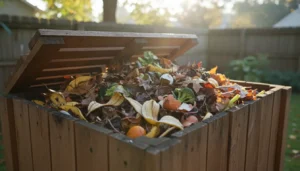
New composters often face a few common issues. These are easy to fix when you know the signs.
Bad Smells
Smells usually mean too much nitrogen or poor aeration. Add more browns and turn the pile to introduce air.
Pests
Avoid meat and dairy, and bury food scraps in the center of the pile. Use a closed bin or fine mesh if animals are persistent.
Slow Breakdown
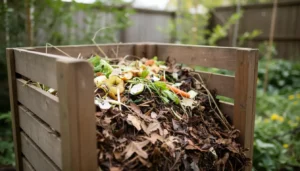
Slow composting is usually caused by low moisture, lack of nitrogen, or large particle sizes. Chop materials smaller, add water, and add greens if needed.
When Is Compost Ready
Compost is ready when it looks dark and crumbly and smells earthy. Particle size and method determine timing: hot composting can finish in a few months, while cold piles may take a year.
Small Case Study
Case Study: A city apartment dweller started a small worm bin with vegetable scraps and shredded paper. Over six months they produced enough compost to feed three balcony planters. Their tomato plants produced noticeably more fruit in the season after using the compost as a top dressing.
Practical Tips for Success
- Chop or shred materials to speed decomposition.
- Use kitchen collection containers to reduce trips to the bin.
- Keep a balance of greens and browns; add browns if pile is smelly.
- Use finished compost as mulch, soil amendment, or potting mix ingredient.
Composting can reduce household waste by up to 30 percent. Even small indoor worm bins divert food scraps from landfills and produce valuable fertilizer for plants.
Simple Example Weekly Routine
Follow this routine to maintain a basic backyard bin with minimal effort.
- Daily: Add kitchen scraps to a covered container. Empty into compost bin 2 to 3 times a week.
- Weekly: Add a layer of browns after adding greens. Check moisture and mix loosely.
- Every 2 to 4 weeks: Turn the pile if using a hot method.
Final Notes on Home Composting for Beginners
Start small and adjust as you learn what your compost needs. Composting is forgiving and improves over time with simple attention. Within months you can transform kitchen and yard waste into a useful resource for your garden.
With these practical steps you can begin home composting for beginners and turn everyday waste into rich, living soil.