
Why Home Composting Matters
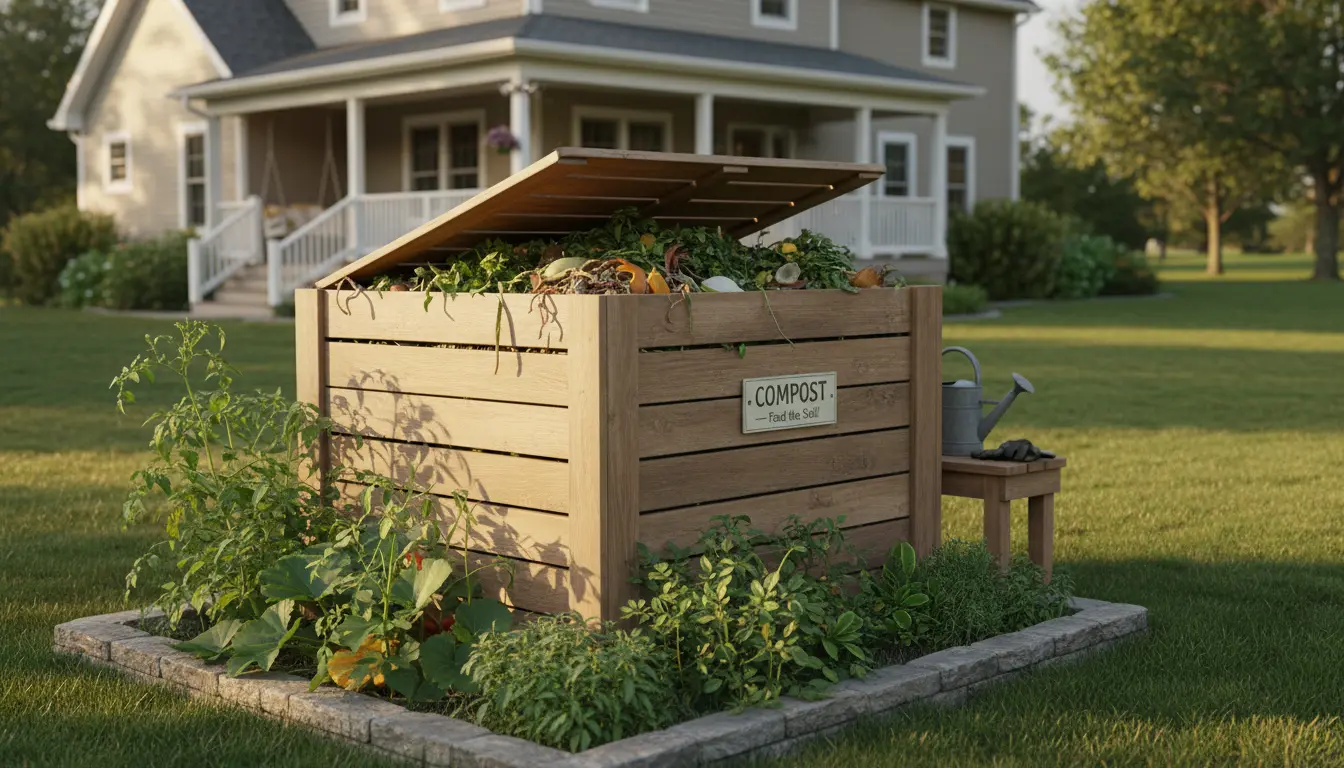
Home composting turns kitchen scraps and yard waste into nutrient-rich soil. It reduces landfill waste and lowers household greenhouse gas emissions.
For beginners, composting is a practical way to save money on fertilizer and improve garden health. This guide offers clear, step-by-step instructions to get you started.
Choose the Right Compost System for Home Composting
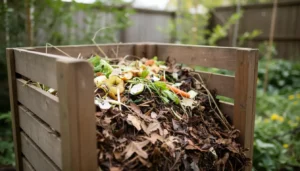
Selecting a compost system depends on space, time, and how much waste you produce. Options include a simple pile, a bin, or a tumbler.
- Compost pile: Low cost, good for large yards, requires regular turning.
- Enclosed bin: Keeps critters out and looks tidy, needs occasional aeration.
- Tumbler: Easy to turn and faster results, higher upfront cost.
Place the system on bare soil where drainage is good. Avoid concrete bases that prevent beneficial organisms from entering.
What to Add: Greens and Browns
Effective home composting depends on a balance of nitrogen-rich “greens” and carbon-rich “browns.”
- Greens: Vegetable peels, fruit scraps, coffee grounds, grass clippings.
- Browns: Dry leaves, shredded paper, cardboard, straw, small twigs.

A common target ratio is about 2–3 parts browns to 1 part greens by volume. Adjust as needed based on moisture and smell.
Examples of What Not to Compost
Avoid meat, dairy, oily foods, and pet waste. These items attract pests and can cause odors if added to a backyard system.
Also avoid diseased plants and invasive weeds that might survive the composting process.
Step-by-Step Start-Up Guide for Composting for Beginners
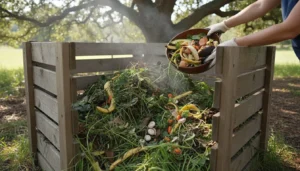
Follow these simple steps to begin home composting with confidence.
- Choose a bin or site and prepare a 4–6 inch base of coarse material for drainage.
- Start with a layer of browns to help aeration and absorb moisture.
- Add greens and chop or shred larger pieces to speed decomposition.
- Moisten the pile so it feels like a wrung-out sponge; avoid waterlogging.
- Turn the pile every 1–2 weeks using a pitchfork or tumbler to supply oxygen.
- Monitor temperature and moisture; adjust greens and browns to maintain balance.
Compost is ready when it is dark, crumbly, and earthy-smelling, usually in 2–6 months depending on conditions.
Troubleshooting Common Issues in Home Composting
Beginners often run into a few predictable problems. Here are practical fixes.
- Bad smell: Add more browns and turn the pile to increase airflow.
- Pile too dry: Add water and more greens, then turn.
- Slow decomposition: Chop materials smaller and ensure proper moisture and aeration.
- Pests: Avoid adding meat or oily food; use a closed bin or bury food under browns.
When organic waste decomposes in landfills it produces methane, a greenhouse gas far more potent than CO2. Home composting captures nutrients and prevents methane emissions.
How to Use Finished Compost
Finished compost improves soil structure, water retention, and nutrient availability. It can be used as a top dressing, mixed into potting soil, or worked into garden beds.
- Mix 1–3 inches into garden beds before planting.
- Topdress lawns with a thin layer in spring or fall.
- Create a potting mix by blending compost with sand and peat or coconut coir.
Small Real-World Case Study
Case Study: A small-family home reduced kitchen waste significantly in six months by starting a simple bin. Sarah, a homeowner with a suburban yard, chose a 60-gallon enclosed bin and followed the brown-to-green ratio.
Within three months she noticed less trash and richer soil for her vegetable patch. After six months, Sarah reported:
- Approximately 65% less organic waste in her trash bin.
- Healthier tomato and herb growth from compost-amended soil.
- Zero pest issues after avoiding meat and burying food scraps under browns.
This example shows that simple, consistent compost practices deliver measurable benefits in a short time.
Tips to Keep Composting for Beginners Simple
Stay consistent but flexible. Small habits lead to long-term success.
- Keep a small countertop pail for scraps and empty it into the outdoor bin daily.
- Shred or chop materials to speed decomposition and reduce turning effort.
- Rotate between two bins or use a tumbler for continuous compost production.
Final Checklist
Before you start, check these essentials: a proper bin or location, a mix of greens and browns, a way to turn the pile, and a simple monitoring routine.
Begin with small steps, adjust based on results, and soon home composting will become an easy part of your household routine.