
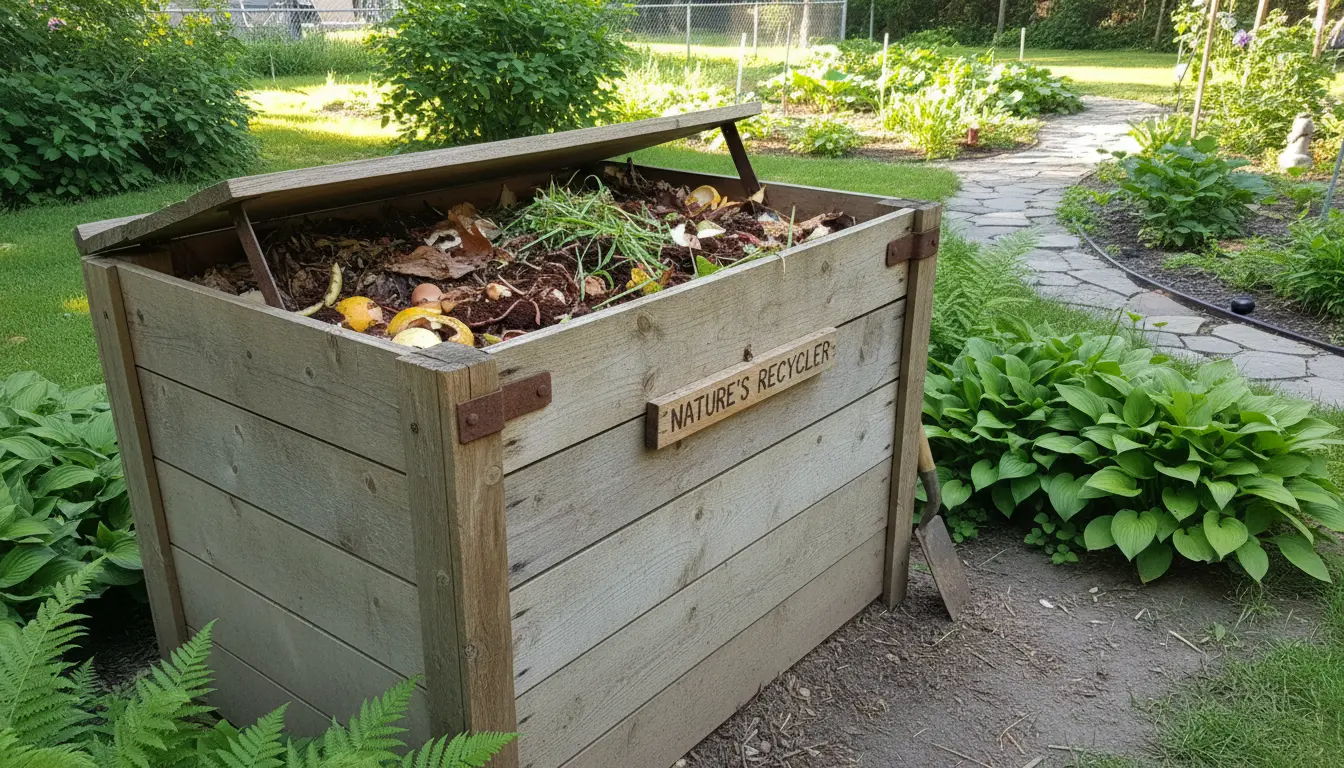
What Is Home Composting and Why Start
Home composting breaks down organic kitchen and yard waste into a nutrient-rich soil amendment. It reduces trash, saves money, and improves garden soil health.
This guide explains simple, practical steps for beginners who want to start composting at home with minimal tools and effort.
Choose the Right Composting Method for Your Home
There are several easy techniques to compost at home. Pick one based on space, time, and effort.
- Bin composting: A closed or open bin in the yard. Low maintenance and tidy.
- Tumbler composting: A rotating drum that speeds up mixing and aeration.
- Trench composting: Bury kitchen scraps directly in garden beds.
- Worm composting (vermicomposting): Uses worms to process food waste indoors or outdoors.
What to Compost: Simple Rules
Good compost requires a balance of carbon-rich and nitrogen-rich materials. Use common household items and yard waste.
- Green (nitrogen): Vegetable peels, fruit scraps, coffee grounds, fresh grass clippings.
- Brown (carbon): Dry leaves, shredded paper, cardboard, straw.
- Avoid: Meat, dairy, oils, diseased plants, pet waste, and large amounts of citrus or onion peels.
Basic Carbon to Nitrogen Ratio
A simple guideline is roughly 25–30 parts carbon to 1 part nitrogen by weight. Practically, mix two to three parts brown material to one part green material.
This ratio supports microbial activity without creating bad odors or slow decomposition.
Step-by-Step: Starting a Bin Compost
Follow these practical steps to build a simple backyard compost bin and maintain it through the first months.
- Pick a location with partial sun and good drainage.
- Place a bin or frame on bare soil to allow worms and microbes to access the pile.
- Start with a 4–6 inch layer of brown material for drainage and aeration.
- Add a mix of green and brown materials in alternating layers, keeping pieces small for faster breakdown.
- Moisten each layer; the pile should feel like a damp sponge, not soaked.
- Turn or mix the pile every 1–2 weeks to add oxygen and speed composting.
Troubleshooting: Common Problems and Fixes
New composters often face a few predictable issues. These simple fixes usually work.
- Smell: Add more brown material and turn the pile to aerate.
- Too dry: Add water and some green material; mix thoroughly.
- Too wet or slimy: Add dry browns and improve drainage; avoid compacting materials.
- Slow breakdown: Chop materials smaller, maintain moisture, and turn the pile more often.
Compost can reduce household waste by up to 30 percent. Well-managed compost can reach temperatures that kill many weed seeds and pathogens.
When Is Compost Ready to Use?
Finished compost is dark, crumbly, and earthy-smelling. Most kitchen and garden waste will break down in 2–6 months depending on conditions.
Use finished compost as a top dressing, soil amendment, or mix into potting soil for houseplants and garden beds.
Practical Uses and Application Rates
Apply a 1–3 inch layer of compost around established plants or mix 10–20% compost into new planting soil. Avoid heavy application as a sole growing medium for seedlings.
Tools and Supplies That Help
You can start with minimal items, but a few tools make composting easier and cleaner.
- Pitchfork or garden fork for turning the pile.
- Compost bin or tumbler to contain materials.
- Kitchen pail with a lid for collecting scraps.
- Moisture meter (optional) or just use the squeeze test of a handful of material.
Small Case Study: A Starter Compost at a City Home
Maria, a city apartment gardener, started a small tumbler on her balcony with a friend’s help. She collected kitchen scraps in a lidded pail and mixed them with shredded cardboard.
Within three months of regular turning and balancing browns and greens, she produced enough compost to top-dress four balcony planters. Her tomatoes produced noticeably more fruit the next season.
Quick Tips for Success
- Keep materials chopped or shredded to speed decomposition.
- Layer browns and greens rather than dumping all one type at once.
- Monitor moisture; too wet or dry slows the process.
- Be patient—composting is natural recycling, not instant.
Final Thoughts on Composting for Beginners
Home composting is a low-cost, practical step toward waste reduction and healthier soil. Start small, learn by doing, and adjust the mix and maintenance as you observe results.
With basic care and the right balance of materials, even beginners can produce rich compost in a few months and see clear benefits in their gardens.