
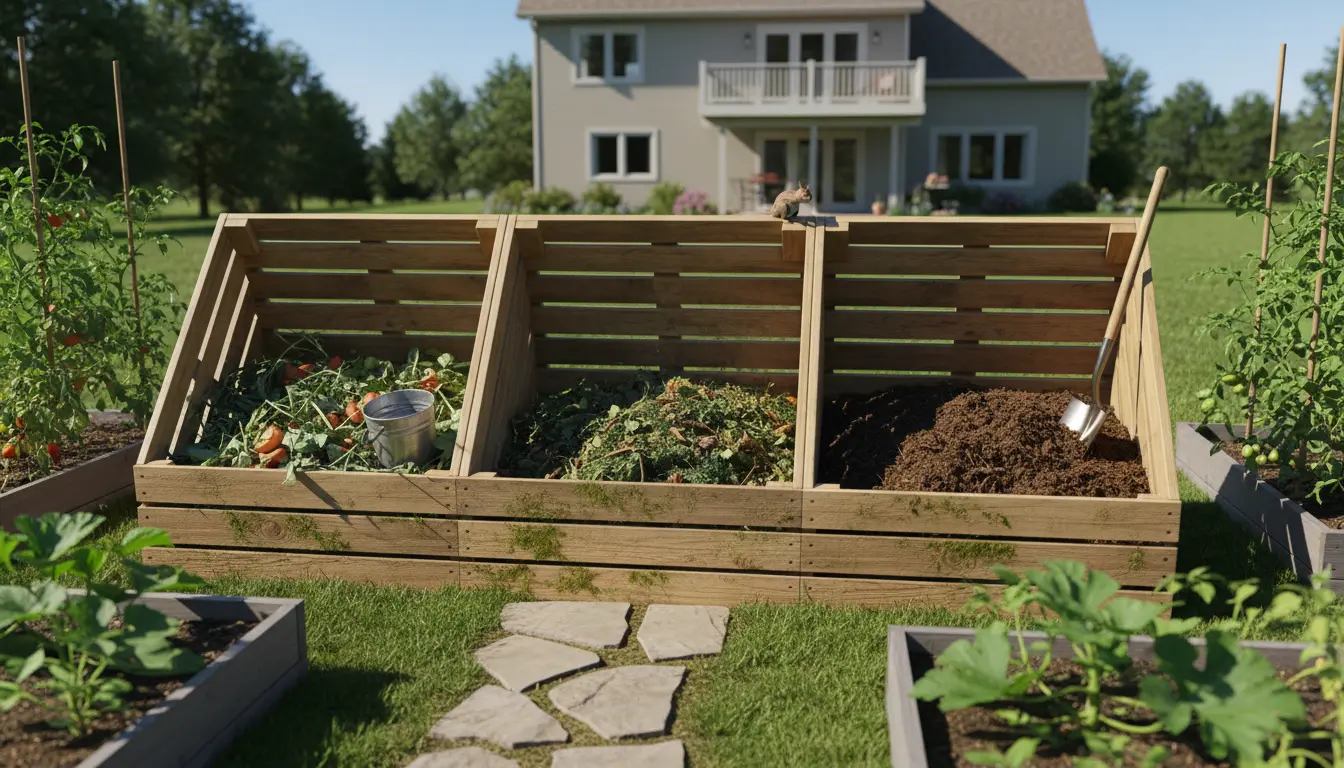
Composting at home turns kitchen scraps and yard waste into a valuable soil amendment. This guide covers practical, easy-to-follow steps for home composting for beginners. Follow these instructions to reduce waste and improve garden soil.
Why Home Composting Matters
Home composting reduces landfill waste and cuts methane emissions from organic matter. It also returns nutrients to the soil and improves soil structure.
For beginners, composting is a low-cost way to support plants, save on fertilizer, and practice sustainable living. You don’t need special skills to start.
Benefits of home composting
- Reduces household waste and disposal costs.
- Creates nutrient-rich compost for gardens and potted plants.
- Improves soil water retention and aeration.
- Encourages mindful use of organic resources.
How to Start Home Composting for Beginners
Starting is simpler than many people think. The process is mainly about balancing materials, managing moisture, and keeping the pile aerated.
Step 1: Choose a compost bin or location
Decide between an open pile, a simple bin, or a tumbling composter. Choose a dry, shaded spot with good drainage for outdoor setups.
Apartment dwellers can use a small bokashi or worm composting system inside. Match the system to your space and the amount of waste you generate.
Step 2: Know what to compost
Compostable materials fall into two main groups: greens and browns. Greens provide nitrogen and browns provide carbon.
- Greens: fruit and vegetable scraps, coffee grounds, fresh grass clippings.
- Browns: dry leaves, straw, shredded paper, cardboard, small wood chips.
Avoid meats, dairy, oils, diseased plants, and pet waste in most home systems. These items can attract pests or slow decomposition.
Step 3: Build and maintain layers
Start with a layer of coarse brown material to help drainage. Alternate greens and browns in thin layers to keep balance and airflow.
A good rule is roughly 2 to 3 parts browns to 1 part greens by volume. If the pile smells, add more browns. If it’s dry, add water and greens.
Step 4: Aeration and moisture
Turn the pile every 1–2 weeks to introduce oxygen and speed up decomposition. Use a pitchfork or a compost aerator tool.
Moisture should feel like a wrung-out sponge. Too wet and it becomes anaerobic and smelly. Too dry and decomposition slows down.
Step 5: Troubleshooting common problems
- Bad odors: Add dry brown materials and turn the pile.
- Pests: Avoid meats and seal food scraps in the center of the pile; use a closed bin if needed.
- Slow breakdown: Chop materials smaller, add moisture, and turn more often.
Compost improves soil structure so it can hold more water. One percent increase in soil organic matter can boost water-holding capacity by up to 20,000 gallons per acre.
Using Finished Compost
Finished compost is dark, crumbly, and earthy-smelling. It usually takes 2–12 months depending on your method and materials.
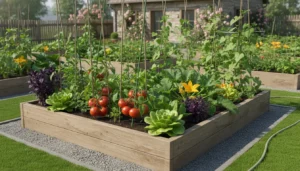
Use finished compost as a top dressing, mix it into planting beds, or blend with potting mix for seedlings. A thin layer (1–2 inches) on garden beds adds nutrients and improves soil life.
Examples of compost use
- Vegetable gardens: Mix 1–2 inches into the top 6 inches of soil each season.
- Flower beds: Use as mulch to suppress weeds and keep roots cool.
- Potted plants: Blend 10–30% compost into potting soil for better drainage and nutrition.
Small Case Study: A Practical Example
Household: The Rivera family lives in a small yard with two garden beds. They started a 3-bin compost system using kitchen scraps and yard waste.
Within six months they produced enough compost to top their beds and reduced trash by one full bag per week. Their tomato plants showed stronger growth and higher yields the following season.
Key actions that worked for them:
- Keeping a small sealed bucket for kitchen scraps to avoid pests.
- Shredding yard waste to speed decomposition.
- Turning one bin weekly and rotating materials through the three-bin system.
Quick Tips for Home Composting for Beginners
- Chop materials into small pieces to speed up breakdown.
- Keep a balance of browns and greens for faster results.
- Monitor moisture and aerate regularly to prevent odors.
- Use finished compost within a year for best nutrient value.
Home composting for beginners is achievable with a small time investment and basic tools. Start small, learn by doing, and adjust the system to your space and waste stream. Over time you’ll produce rich compost and reduce household waste.