
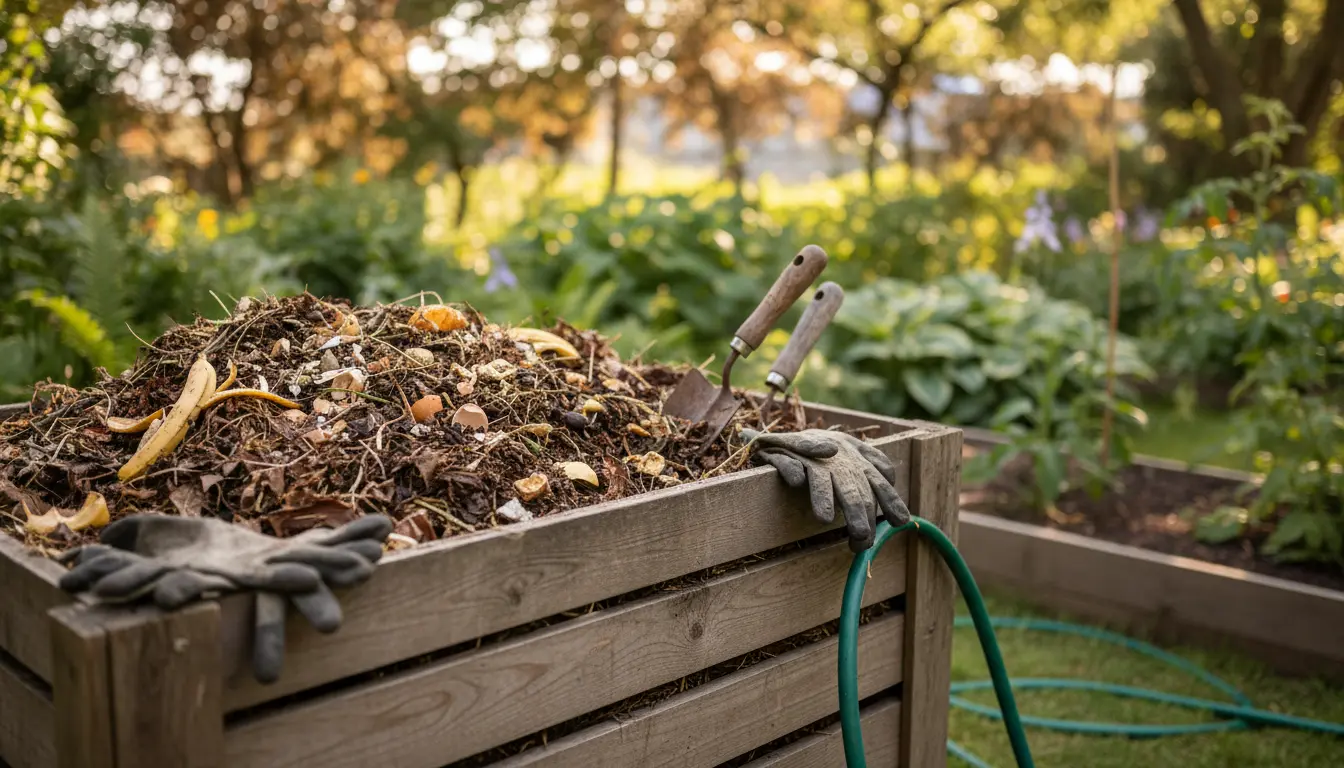
Home Composting for Beginners: How to Start
Home composting is a simple way to turn kitchen and garden waste into rich soil. This guide gives practical steps for beginners so you can start composting at home with confidence.
Why choose home composting
Composting reduces household waste and creates natural fertilizer for plants. It saves money, lowers landfill impact, and improves soil structure in your garden.
Choose a compost method that fits your home
There are several composting methods. Pick one that matches your available space and time.
- Backyard pile or bin for gardens with space
- Tumbler bin for faster turning and less odor
- Bokashi or worm composting for apartments or limited outdoor access
Home Composting for Beginners: What to compost
Compostable items fall into two categories: greens and browns. Balance both to encourage decomposition.
- Greens: fruit and vegetable scraps, coffee grounds, fresh grass clippings
- Browns: dry leaves, shredded paper, cardboard, straw
Avoid meat, dairy, oils, and diseased plants unless you have a hot composting system designed to handle them.
Set up your bin and location
Position the bin in a spot with partial sun and good drainage. If using a container, drill small holes for air flow and place it on soil or a pallet.
Layering helps. Start with a base of course browns like small branches or straw to allow air flow, then add alternating layers of greens and browns.
Home Composting for Beginners: Balance and maintenance
Balance carbon and nitrogen for effective composting. Aim for a roughly 25 to 30 parts carbon to 1 part nitrogen ratio by weight, which often translates to more browns than greens by volume.
- If the pile smells, add more browns and turn to add air
- If the pile is dry and slow, add water and more greens
- Turn the pile every 1 to 2 weeks for faster results
Moisture and temperature checks
Keep the compost like a wrung out sponge. Too wet and it becomes anaerobic and smelly. Too dry and decomposition stalls.
For hot composting, internal temperatures of 135 to 160 degrees Fahrenheit speed breakdown and kill seeds and pathogens. Cold composting takes longer but requires less turning.
Home Composting for Beginners: Troubleshooting common problems
Bad odor usually means lack of air or too many greens. Add browns and turn the pile. Fruit flies can be reduced by burying food scraps under browns or adding a kitchen compost container with a lid.
If compost remains undecomposed after months, increase surface area by shredding material, add nitrogen rich greens, and turn more often.
How to know compost is ready
Finished compost is dark, crumbly, and smells earthy. Most items break down in 2 to 12 months depending on method and care.
Screen compost to remove large bits and return them to the bin to continue breaking down.
Using finished compost
Use finished compost as a soil amendment, mulch, or potting mix component. Typical uses include top dressing vegetable beds, mixing into flower beds, and enriching lawn soil.
- Vegetable beds: mix 1 to 2 inches into the top 6 inches of soil
- Flower beds: apply 1 inch as mulch around plants
- Pots: mix compost with potting soil at 20 to 30 percent by volume
A typical household can divert up to 30 percent of its waste to compost, cutting landfill contributions and returning nutrients to the soil.
Small case study: An apartment compost success
Emma lives in a third floor apartment and started worm composting in a two tier tray under her sink. She collected food scraps in a sealed kitchen container and added them to the worm bin twice a week.
Within four months she harvested 10 liters of worm castings. She used these castings to feed balcony herbs and saw improved growth and fewer pests. Her household reduced weekly trash by nearly 40 percent.
Practical tips for beginners
- Keep a small sealed container for kitchen scraps to curb flies and smells
- Shred paper and cardboard to speed decomposition
- Save eggshells and coffee grounds but crush shells for faster breakdown
- Label bins and keep a simple log for turning and adding water
Home Composting for Beginners: Final checklist
- Choose a method that fits your space
- Balance greens and browns and maintain moisture
- Turn regularly or use a tumbler to speed composting
- Harvest finished compost and apply to soil
Home composting is practical and adaptable. Start small, learn from small mistakes, and increase capacity as you gain confidence. With a basic bin and a routine, even beginners can make nutrient rich compost for a healthier garden.