
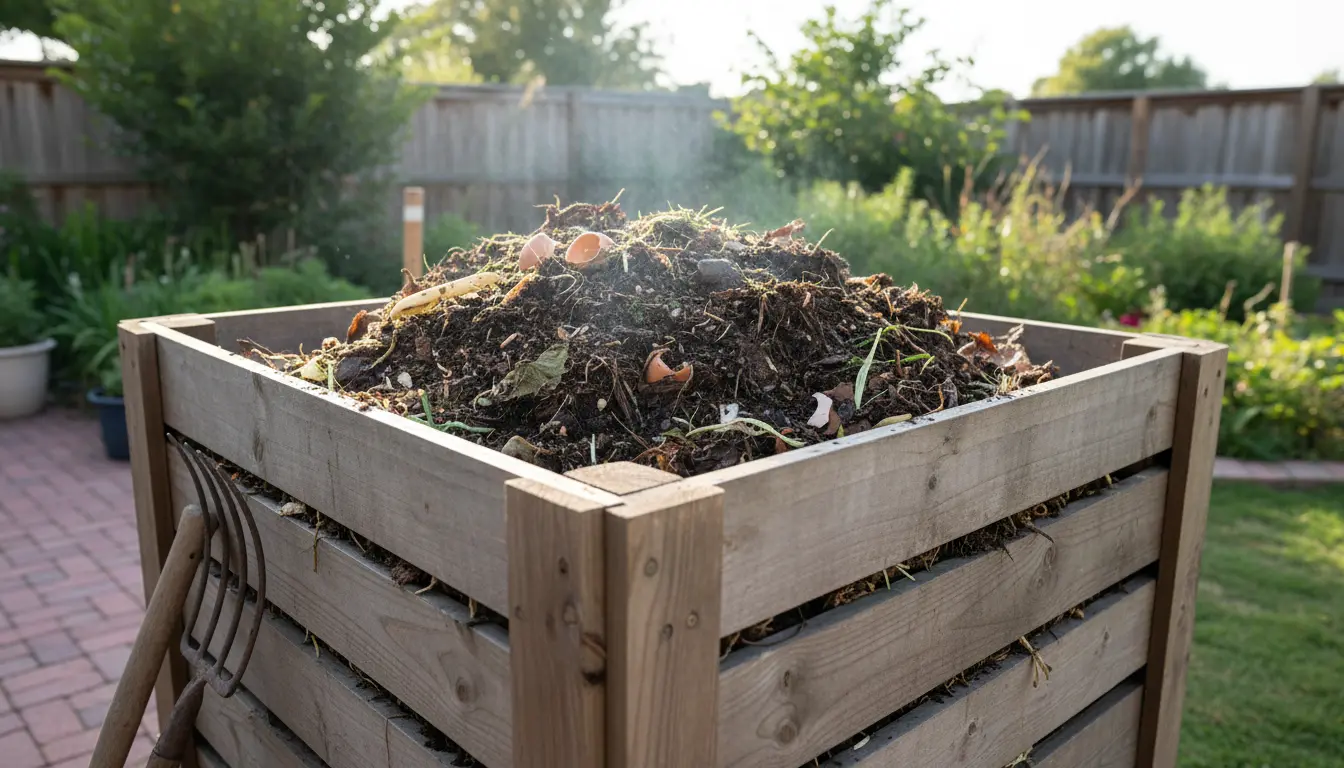
Home Composting for Beginners: What You Need to Know
Home composting transforms kitchen scraps and yard waste into a nutrient-rich soil amendment. It reduces trash, improves soil health, and is manageable for almost any household.
This guide gives clear, practical steps for home composting for beginners, including setup, maintenance, troubleshooting, and how to use finished compost.
Why Choose Home Composting for Beginners
Composting cuts landfill waste and recycles organic matter back into the soil. For beginners, it is a low-cost, hands-on way to support plant growth and reduce greenhouse gas emissions.
Start small and scale up as you learn the simple rules: balance, moisture, and aeration.
Benefits of Home Composting for Beginners
- Reduces household waste and disposal costs.
- Produces free, nutrient-rich compost for gardens and pots.
- Improves soil structure and water retention.
- Teaches sustainable habits for the whole family.
Choosing the Right System for Home Composting for Beginners
Select a method that fits your space and time. Common options include a simple bin, tumblers, and vermicomposting (worms).
Each system has trade-offs in maintenance, speed, and space needs.
Compost Bin Options
- Plastic or wooden bins: Affordable and tidy for backyard use.
- Tumblers: Easier to turn and faster to break down materials.
- Worm bins (vermicompost): Best for apartments and limited space. Works well indoors.
Step-by-Step Setup for Home Composting for Beginners
Follow simple steps to start a successful compost pile. You do not need special tools beyond a bin, a basic garden fork, and a kitchen container for scraps.
1. Pick a Location
Choose a spot with partial shade and good drainage. Keep the bin accessible so you actually use it.
2. Gather Materials
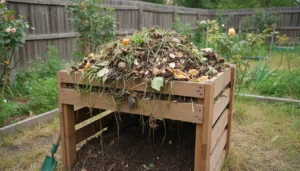
Compost needs a balance of green and brown materials. Greens provide nitrogen; browns provide carbon.
- Greens: vegetable scraps, coffee grounds, fresh grass clippings.
- Browns: dry leaves, shredded paper, straw, wood chips.
3. Layer and Maintain
Start with a layer of coarse browns for airflow. Alternate greens and browns in 2–4 inch layers. Keep the pile moist like a wrung-out sponge.
Turn or aerate the pile every 1–2 weeks to speed decomposition and prevent odors.
Troubleshooting for Home Composting for Beginners
Beginners often face common issues like odors, pests, or slow decomposition. Most problems have simple fixes.
Smells and Odors
A rotten smell usually means too many greens or poor aeration. Add more dry browns and turn the pile to add oxygen.
Pests and Flies
To deter pests, bury food scraps under browns or use a closed bin. Avoid adding meat, dairy, or oily foods.
Slow Composting
Slow breakdown can result from low temperatures or lack of nitrogen. Chop materials smaller, add greens, and ensure the pile is moist and turned regularly.
Composting can reduce household waste by up to 30 percent. A mid-sized family can divert hundreds of pounds of organic waste from the landfill each year.
How to Tell When Compost Is Ready
Finished compost is dark, crumbly, and smells earthy. It should no longer resemble the original materials and will be free of large, recognizable pieces.
Depending on method and maintenance, compost can be ready in 2 months to a year.
Using Finished Compost
- Mix into garden beds to improve structure and nutrient content.
- Top-dress lawns with a thin layer for slow nutrient release.
- Use in potting mixes to increase water retention and fertility.
Small Case Study: Urban Balcony Compost
Sarah, an apartment gardener, started a small vermicompost bin with red wigglers on her balcony. She collected kitchen scraps in a sealed container and added shredded cardboard as needed.
Within three months she produced enough compost to feed several potted herbs and saw her basil and parsley become noticeably healthier. The worm bin required minimal space and reduced her trash by about two bags per month.
Practical Tips for Home Composting for Beginners
- Keep a small countertop pail with a tight lid to collect scraps and limit fruit flies.
- Chop larger items into small pieces to speed decomposition.
- Record what you add and how the pile responds to fine-tune your mix.
- Use a compost thermometer if you want to manage hot composting precisely.
Common Questions Answered
Can you compost citrus and onions? Yes, in small amounts. They break down slowly and may deter some worms if too concentrated.
Is compost safe for edibles? Finished, well-decomposed compost is safe and excellent for vegetables and fruit trees.
Final Steps for Home Composting for Beginners
Start with what you have: a simple bin or a worm box. Learn by doing and adjust the mix of greens and browns as you observe your pile.
Composting is a practical, low-effort way to improve gardens and reduce waste. With basic care, beginners can produce valuable compost within months.