
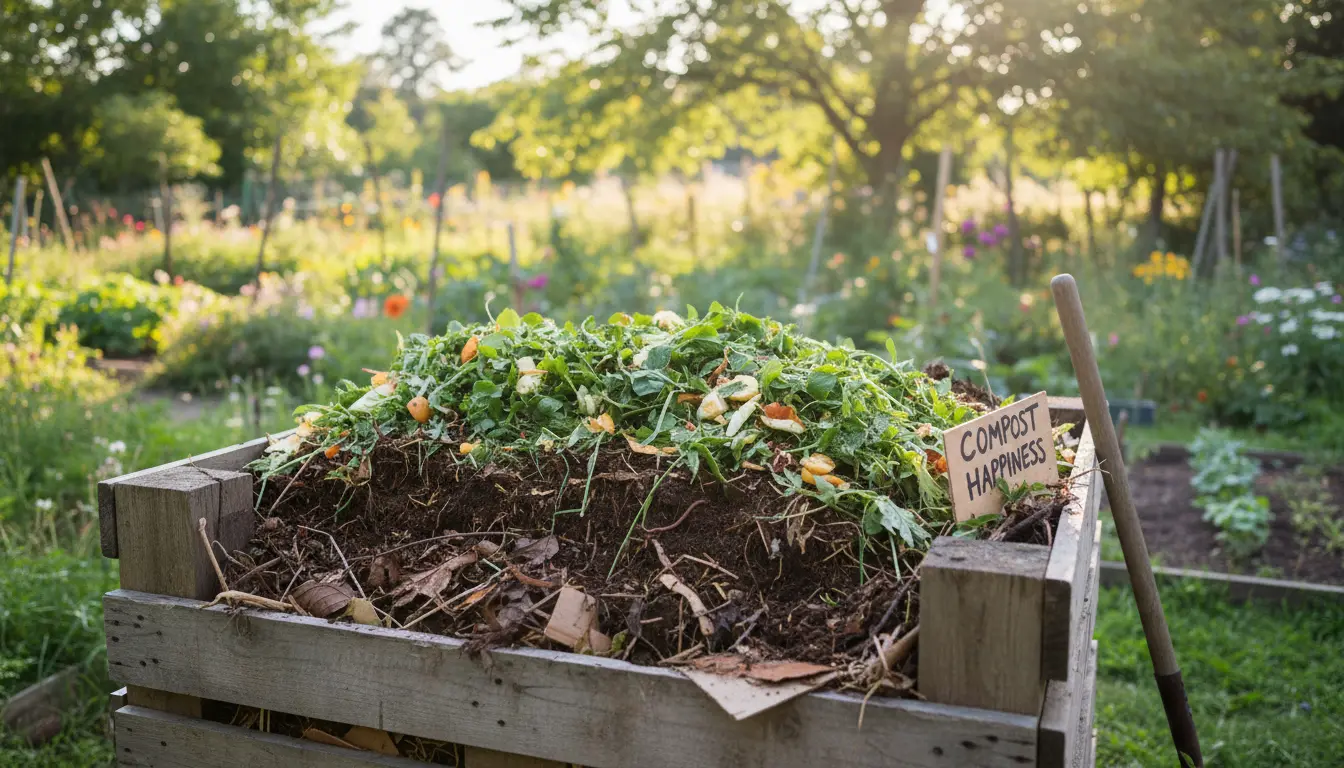
What is Home Composting for Beginners
Home composting is the controlled breakdown of organic kitchen and yard waste into a nutrient-rich material called compost. It reduces household waste and provides a free soil amendment for plants and gardens.
This guide explains simple methods, equipment, and troubleshooting for beginners so you can start composting with confidence.
Why Choose Home Composting
Composting lowers landfill waste, reduces methane emissions, and recycles nutrients back into soil. It also improves soil structure and water retention for plants.
Beginners benefit from easy setups that require minimal space and time.
Basic Materials for Home Composting
Successful compost needs a balance of carbon rich and nitrogen rich materials. Understanding these helps the process work faster and avoids odors.
- Greens (nitrogen): fruit and vegetable scraps, coffee grounds, fresh grass clippings.
- Browns (carbon): dry leaves, shredded paper, cardboard, straw.
- Moisture: aim for a damp sponge consistency.
- Air: occasional turning to supply oxygen.
Choose a Method: Bin, Pile, or Worm Composting
Pick a method that fits your space and patience level. Each has pros and cons for beginners.
Compost Bin
Bins are tidy and keep pests out. They work well in small yards and are low maintenance.
Ideal for: suburban homes with limited space.
Compost Pile
Open piles are flexible and can handle larger volumes. They need more space and periodic turning.
Ideal for: larger yards and vegetable gardens.
Worm Composting (Vermicomposting)
Worm bins are excellent indoors or on balconies and produce fast, high-quality compost. They need consistent food and temperature control.
Ideal for: apartments, small households, and gardeners wanting tea and castings for potted plants.
Step by Step Setup for Home Composting
Follow these practical steps to start composting at home with minimal fuss.
- Pick a location: choose a shady, well-drained spot for outdoor bins or a cool indoor corner for worm bins.
- Assemble your container: buy a bin or make a simple wooden or wire compost enclosure.
- Create the first layer: start with coarse browns like twigs to help airflow.
- Add scraps in layers: alternate greens and browns; chop large items to speed decomposition.
- Maintain moisture and air: keep the pile damp and turn every 1–2 weeks for faster results.
- Harvest compost: finished compost is dark, crumbly, and earthy smelling—usually ready in 2–6 months depending on method.
Troubleshooting Common Home Composting Issues
Beginners often hit predictable problems. These quick fixes will keep the process on track.
- Smelly compost: add more dry browns and turn to increase airflow.
- Pests or rodents: use a closed bin, bury food scraps in the pile, and avoid meat or dairy.
- Slow decomposition: chop materials smaller, maintain moisture, and add nitrogen-rich greens.
- Too wet: add dry browns and turn to aerate; ensure proper drainage.
Maintenance Tips for Home Composting for Beginners
Consistency matters more than perfection. A few minutes each week keeps your system healthy.
- Keep a small countertop container for scraps and empty it regularly.
- Shred cardboard and paper before adding to speed breakdown.
- Mix different materials for a balanced pile.
- Use finished compost as a top dressing or mix into potting soil.
Case Study: Small Urban Apartment Composting
Janelle, a city dweller with a balcony, started vermicomposting in a simple two-drawer worm bin. She collected kitchen scraps in a sealed jar and fed her worms twice a week.
Within three months she harvested dark worm castings used to top-dress houseplants. Her system produced minimal odor and reduced her weekly trash bag by nearly half.
Key takeaways from this real example: worm bins work in small spaces, regular feeding keeps worms healthy, and finished castings boost plant growth.
Compost can improve garden water retention by up to 20 percent and adds beneficial microbes that help suppress plant diseases.
Using Your Compost
Once compost is ready, use it in multiple ways to improve soil and plant health.
- Top-dress lawns and garden beds to slowly release nutrients.
- Mix with potting soil for houseplants and container gardens.
- Make compost tea by steeping compost in water for a nutrient-rich liquid feed.
Final Thoughts on Home Composting for Beginners
Starting composting at home is low cost and high impact. Choose a method that matches your space and schedule, and begin with small, regular steps.
With basic maintenance and simple troubleshooting, most beginners quickly produce usable compost and cut household waste at the same time.