
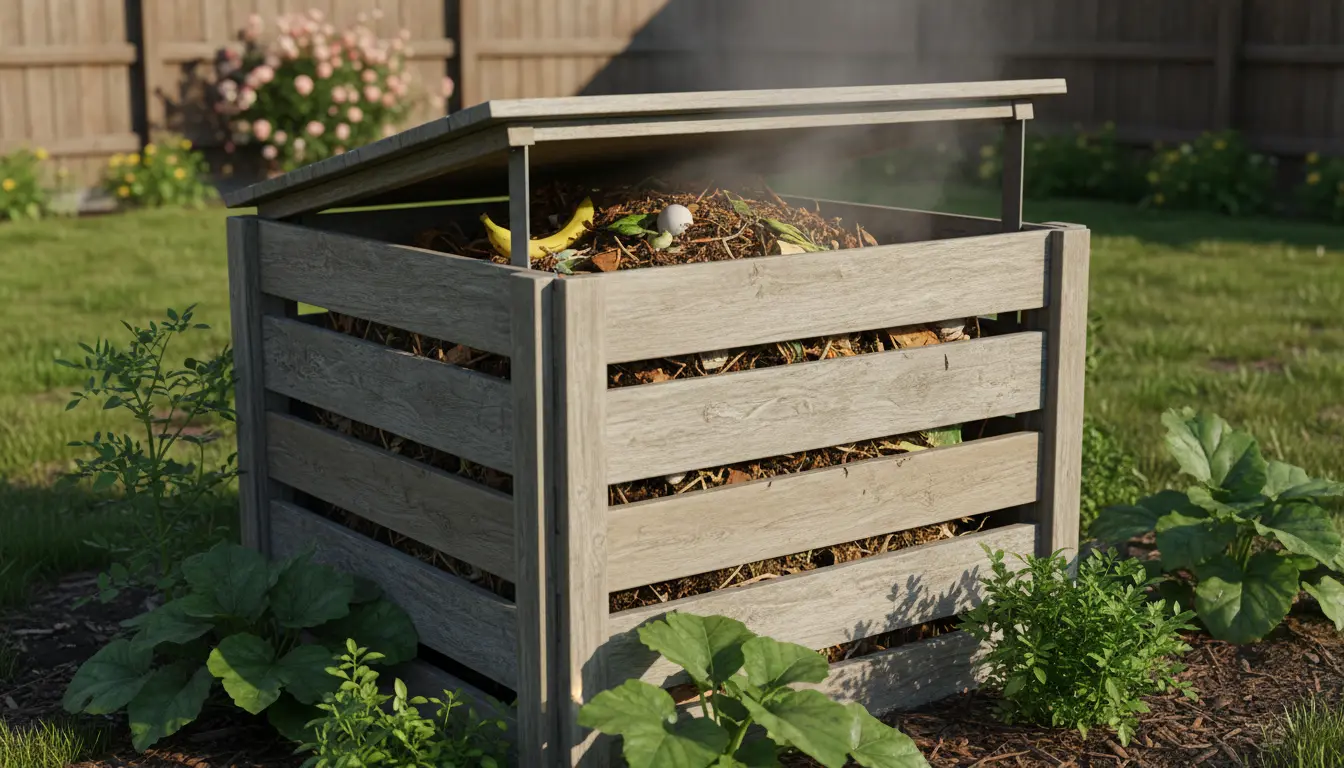
Home Composting Basics
Home composting for beginners is an easy, low-cost way to turn kitchen scraps and yard waste into rich soil. This guide gives clear, practical steps so you can start composting today and maintain a healthy pile.
Why Home Composting Matters
Composting reduces household waste and improves soil for gardens and potted plants. It also returns nutrients to the soil and can reduce the need for chemical fertilizers.
Choose a Compost System
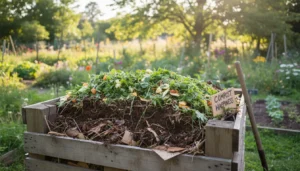
Pick a system that fits your space and schedule. Beginners often find these options simple and reliable.
- Open pile: Best for large yards; minimal cost but needs more turning.
- Compost bin: Tidy and compact; good for backyards and beginners.
- Tumbler: Easier to turn and faster results; pricier but neat.
- Indoor bokashi or worm bin: Suitable for apartments or limited outdoor space.
Materials to Use in Home Composting
Compost needs a mix of carbon-rich and nitrogen-rich materials. Balancing these speeds decomposition and prevents odors.
Greens (Nitrogen)
- Vegetable and fruit scraps
- Fresh grass clippings
- Coffee grounds and tea bags
Browns (Carbon)
- Dried leaves and straw
- Shredded paper and cardboard (non-glossy)
- Wood chips and sawdust (small amounts)
Balance, Moisture, and Aeration
For successful home composting, aim for roughly a 2:1 to 3:1 ratio of browns to greens by volume. This keeps the pile stable and reduces smells.
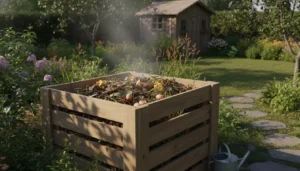
Moisture should feel like a wrung-out sponge. If the pile is too dry, decomposition slows; if too wet, it smells and may attract pests.
- Turn or mix the pile every 1–2 weeks to add oxygen.
- Add water during dry spells and cover excess rain in wet climates.
- Use coarse browns to improve airflow if the pile compacts.
How to Start a Compost Pile
Follow these simple steps to begin home composting for beginners.
- Place the bin or mark the pile on well-drained soil in a partly shaded spot.
- Start with a layer of coarse browns (twigs, straw) for drainage.
- Add alternating layers of greens and browns, keeping the 2:1 to 3:1 ratio.
- Keep the pile moist and turn it regularly.
Troubleshooting Common Problems
New composters often face a few predictable issues. Here are quick fixes that work for most beginners.
Bad Odor
Smells usually mean too much nitrogen or poor aeration. Add more browns and turn the pile to introduce air.
Pests
Raccoons or flies are attracted to meat, dairy, and oily foods. Avoid these in a backyard compost or use a closed bin or tumbler. Bury scraps under browns to reduce flies.
Pile Not Heating or Breaking Down
Check the green-to-brown ratio, moisture, and particle size. Smaller pieces decompose faster. Add a nitrogen source if the pile is mostly browns.
When Is Compost Ready?
Finished compost looks dark, crumbly, and smells earthy. Depending on your method, compost can be ready in 2 months to a year.
Use a sieve or screen to separate finished compost from larger pieces, which can return to the pile to finish breaking down.
Using Finished Compost
Use finished compost as a soil conditioner, mulch, or potting mix ingredient. It improves soil structure and water retention, and provides slow-release nutrients.
- Top-dress lawns with a thin layer of compost.
- Mix compost into garden beds before planting.
- Add compost to potting mixes at 10–30% by volume for houseplants.
Case Study: Small Backyard, Big Impact
Maria, a homeowner with a small yard, started a 60-gallon compost bin. She added kitchen scraps and shredded leaves, keeping a rough 3:1 brown to green ratio.
After six months of weekly turning, Maria harvested about 40 liters of compost. She used it to top-dress flower beds and reported healthier plants and reduced grocery waste by 25% the first year.
Simple Tools and Supplies
Beginners don’t need expensive gear. A few basic items make composting easier and cleaner.
- Sturdy compost bin or tumbler
- Pitchfork or compost aerator for turning
- Kitchen scrap container with lid
- Hand pruners for cutting large pieces
Quick Checklist for Home Composting for Beginners
- Choose the right system for your space
- Keep a 2:1 to 3:1 browns-to-greens ratio
- Maintain moisture like a wrung sponge
- Turn the pile regularly for oxygen
- Avoid meats, dairy, and oily foods in open piles
Home composting for beginners is a small habit that gives large returns. With the right balance and simple maintenance, you can turn everyday waste into valuable soil and reduce your household footprint.