
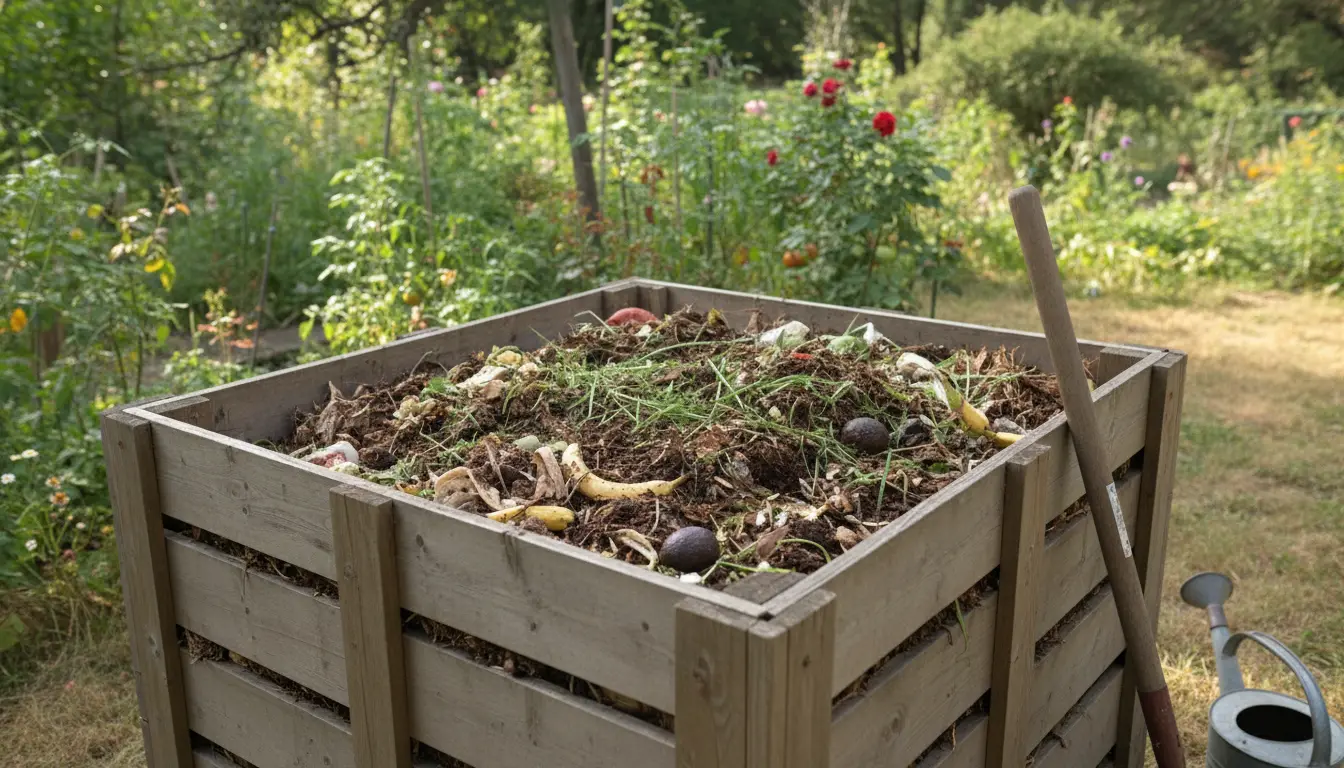
Home Composting for Beginners Where to Start
Home composting for beginners means turning kitchen scraps and yard waste into soil that helps plants grow. You do not need special skills or expensive tools to start. A small commitment to routine and the right setup will make composting easy.
Benefits of Home Composting for Beginners
Composting reduces the amount of waste sent to landfills and produces nutrient rich material for gardens. It improves soil structure, retains moisture, and can reduce the need for chemical fertilizers.
Beginners also save money and learn more about how organic matter cycles in nature. These practical benefits make composting a useful household habit.
Home Composting for Beginners Basic Materials
Successful compost relies on a balance of carbon rich materials and nitrogen rich materials. These are often called browns and greens.
Greens and Browns
- Greens (nitrogen): fruit and vegetable scraps, coffee grounds, fresh grass clippings.
- Browns (carbon): dry leaves, straw, shredded cardboard, paper towels without lotion.
A good rule is roughly three parts browns to one part greens by volume. This ratio helps the pile heat up and break down evenly.
Materials to Avoid
- Meat, dairy, and oily foods — these attract pests and slow decomposition.
- Diseased plants or weeds that set seed — these can survive the compost process.
- Pet waste from carnivores — it can carry pathogens.
How to Set Up Your First Compost System
Choose a method that fits your space and lifestyle. Common options include a simple pile, a bin, or a tumbler.
Choosing a Location
Pick a level, well drained spot with some shade and good air access. Close proximity to your kitchen makes adding scraps easier.
Step by Step Setup
- Start with a base layer of coarse material like small sticks or straw to help airflow.
- Add alternating layers of browns and greens, keeping pieces small for faster breakdown.
- Maintain moisture about like a wrung out sponge — not soggy and not bone dry.
- Turn or mix the pile every 1 to 2 weeks to introduce air and speed decomposition.
- After a few months you will see dark crumbly material that smells earthy. That is finished compost.
Maintenance and Troubleshooting for Home Composting for Beginners
Routine checks keep compost healthy. Use simple fixes for common problems rather than starting over.
Common Problems and Fixes
- Bad smell: Add more browns and turn the pile to increase airflow.
- Pile too dry: Add water and greens, then mix well.
- Slow decomposition: Chop materials smaller and keep the pile moist and warm.
- Pests or rodents: Avoid meat and grease, use a closed bin or a secure tumbler.
Tools and Options for Home Composting for Beginners
You do not need many tools. A garden fork, a bin or tumbler, and a small shovel are enough for most homes. Use a kitchen caddy with a tight lid to collect scraps.
Commercial compost bins are convenient but not required. Even a simple pile in a corner of the yard will work if you follow the basics.
Speeding Up Compost
- Shred or chop materials to increase surface area.
- Keep the pile warm by insulating it with straw or finished compost in cooler months.
- Add a handful of garden soil or finished compost to introduce microbes.
Small Case Study Home Composting for Beginners Success
Sam, a family of four in a small suburban home, started composting with a 200 liter bin. They used a kitchen caddy for scraps and layered yard leaves and grass with food waste.
Within six months they produced enough compost to enrich two raised beds for vegetables. Their weekly trash volume shrank by one small bin, saving them waste collection costs and improving garden yields.
How to Use Finished Compost
Finished compost is dark, crumbly and smells like earth. Use it as a top dressing, mix it into planting beds, or blend it with potting soil.
A thin 1 to 2 inch layer improves soil structure and feeds plants slowly over time. Compost is safe to use around vegetables, flowers, and lawns.
Next Steps for Home Composting for Beginners
Start small and build confidence. Track what you add and how the pile responds. Adjust moisture, ratio, and turning frequency until you find a routine that works.
Invite neighbors or friends to join a compost swap if space is limited. Sharing knowledge helps more households reduce waste and improve soil health.
Home composting for beginners does not require perfection. With basic materials, regular attention, and simple adjustments you can turn everyday waste into a valuable resource.