
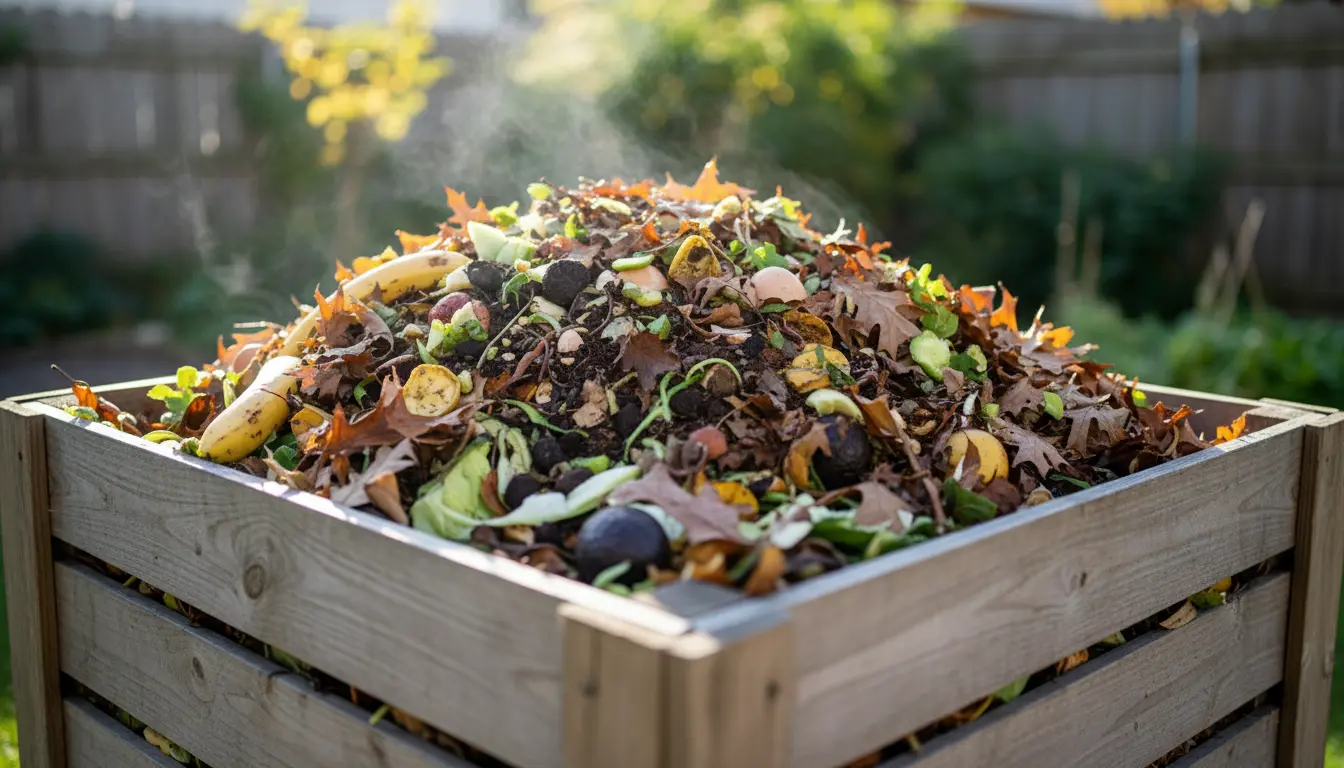
Start Home Composting: A Simple Introduction
Home composting turns kitchen scraps and yard waste into rich soil for gardens and potted plants. This guide gives clear, practical steps to start and maintain a compost bin at home.
Basics of Home Composting
Composting is an aerobic process where microbes break down organic materials into humus. Balanced inputs and basic maintenance keep the process quick and odor-free.
What to Compost
Use a mix of green and brown materials for a healthy compost bin. Greens add nitrogen and speed decomposition, while browns add carbon and improve texture.
- Greens: fruit and vegetable scraps, coffee grounds, tea bags, fresh grass clippings
- Browns: dry leaves, cardboard, paper (shredded), straw, small branches
What Not to Compost
Some items can cause pests, odors, or slow decomposition. Avoid adding these to a home compost bin.
- Meat, fish, dairy, and greasy foods
- Oils, diseased plants, and pet feces
- Large woody branches (unless chipped) and treated wood
Choosing a Compost Bin for Home Composting
Select a bin that fits your space, budget, and composting goals. Size affects how fast the pile heats and decomposes.
Common Compost Bin Types
- Tumbler: Easy turning, faster results, good for small yards.
- Stationary bin: Simple and inexpensive, suitable for larger volumes.
- Open pile: Lowest cost, needs space and occasional turning.
- Worm bin (vermicompost): Best for kitchen scraps indoors, produces nutrient-rich castings.
Setting Up Your Compost Bin
Location matters: choose a level, partially shaded spot with good drainage. Accessibility makes regular maintenance easier.
Layering and Ratios
Start with a base of coarse browns to improve airflow. Aim for a rough carbon to nitrogen (C:N) ratio near 25–30:1 for steady decomposition.
- Common guideline: 3 parts browns to 1 part greens by volume.
- Chop materials into small pieces to speed decomposition.
- Keep the pile moist like a wrung-out sponge; too dry or too wet stalls activity.
Maintenance Tips for Home Composting
Routine care keeps your compost healthy and fast. Simple actions correct most problems and improve results.
Turning and Aeration

Turn the pile every 1–2 weeks for faster breakdown and to reduce odors. Tumblers make this simple; for static bins use a pitchfork or aerator tool.
Moisture and Temperature
Monitor moisture and add water during dry spells or more browns if it’s soggy. A hot pile (120–160°F or 50–70°C) speeds composting but is optional for backyard composting.
Troubleshooting Common Problems
- Smell: Add more browns and turn the pile to introduce air.
- Pests: Avoid meats and dairy, and bury food scraps under browns.
- Slow decomposition: Chop materials smaller and check moisture and aeration.
Quick Home Composting Checklist
- Choose a bin and spot with good drainage.
- Collect greens and browns separately for easier mixing.
- Chop scraps and layer materials with a 3:1 browns-to-greens ratio.
- Turn the pile every 1–2 weeks and check moisture regularly.
- Harvest finished compost after 3–12 months depending on method.
Real-World Example: Small Urban Composting Case Study
Sarah, a renter in a small city apartment, started a worm bin under her sink to divert kitchen waste. She added shredded newspaper as bedding and fed the bin daily with fruit and vegetable scraps.
After six months, Sarah collected vermicompost to mix into potted herbs. Her household reduced trash collection by roughly 35 percent, and her basil and mint showed noticeably better growth.
Harvesting and Using Finished Compost
Finished compost looks dark, crumbly, and earthy-smelling. Sift larger pieces and return them to the bin to finish decomposing.
- Mix compost into garden beds at a rate of 1–2 inches over soil.
- Use as potting mix amendment or top-dress lawns and shrubs.
- Apply in spring or fall for best long-term soil improvement.
Getting Started with Home Composting Today
Start small: a kitchen scrap bucket plus a basic bin or worm container is enough to begin. Observe the pile, make simple adjustments, and scale up as you gain confidence.
Home composting saves waste, builds healthy soil, and is a practical step toward sustainable living. Try a 30-day composting trial and track how much you divert from the trash.