
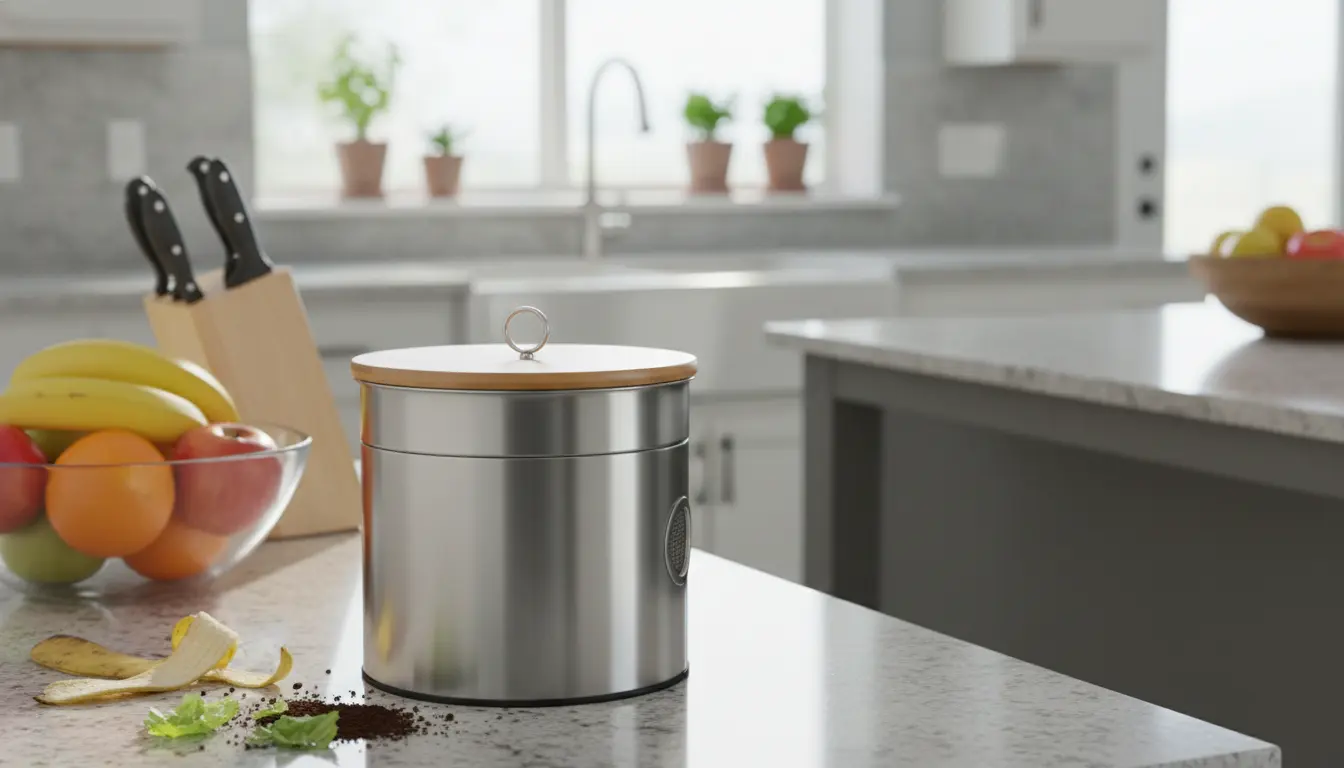
Why Home Composting Matters
Home composting reduces kitchen and yard waste while producing nutrient-rich soil for gardens and houseplants. It lowers landfill waste and cuts greenhouse gas emissions when done correctly.
This guide gives practical steps for beginners to start home composting with minimal tools and effort.
How Home Composting Works

Composting is a biological process where microbes break down organic matter into humus. Key factors are carbon, nitrogen, moisture, and air.
Balance and management of these factors speed decomposition and prevent odors or pests.
Essential Materials for Home Composting
Start with simple supplies that suit your space and budget. You do not need fancy equipment to succeed.
- Compost bin or pile: a tumbling bin, a simple bin, or a small outdoor pile.
- Brown materials (carbon): dried leaves, shredded paper, cardboard.
- Green materials (nitrogen): kitchen scraps, fresh grass clippings, coffee grounds.
- Tools: pitchfork or garden fork, watering can, and a thermometer if you want to monitor heat.
How to Start Home Composting
Follow these practical steps to set up a working compost system quickly.
- Choose a location: pick a well-drained spot with some shade. If you live in an apartment, use a small bin or worm composting indoors.
- Set up the bin: place the compost bin on soil when possible to allow worms and microbes to enter. For a tumbler, ensure it rotates freely.
- Build layers: start with a 2–3 inch layer of coarse browns for drainage, then add a mix of greens and browns.
- Maintain moisture: aim for the feel of a wrung-out sponge. Add water during dry spells and dry material if it’s soggy.
- Turn regularly: aerate the pile every 1–2 weeks to add oxygen and speed decomposition.
Balancing Greens and Browns
A simple rule is roughly 2–3 parts brown to 1 part green by volume. Browns provide carbon, greens supply nitrogen.
Examples:
- Good browns: autumn leaves, straw, shredded cardboard.
- Good greens: vegetable scraps, tea bags, fresh grass clippings.
What to Avoid in Home Composting
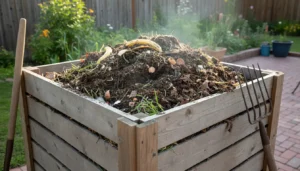
Certain items cause odors, attract pests, or break down slowly. Avoid these to keep compost healthy.
- Meat, fish, bones, and dairy.
- Oily or greasy foods and cooked leftovers.
- Diseased plants or invasive weeds with seeds.
- Pet waste from carnivores.
Troubleshooting Common Problems in Home Composting
Even beginners encounter issues. Most have easy fixes related to moisture, airflow, or material balance.
- Bad smell: often too wet or too many greens. Add browns and turn the pile to add air.
- Slow composting: pile may be too small, too cold, or lacking nitrogen. Increase size, add greens, or insulate the bin.
- Pests: secure the bin, bury food scraps under a layer of browns, and avoid meat and dairy.
Home Composting Options by Living Situation
Choose a method that fits your space and routine. Each method has pros and cons for beginners.
- Backyard heap: low cost and simple for gardeners with outdoor space.
- Tumbling composter: faster composting with easy turning; good for small yards.
- Worm composting (vermicompost): great for apartments and produces rich castings, but needs careful feeding and moisture control.
Small-Scale Indoor Composting Tips
For indoor setups, select a well-sealed bin and use a carbon liner like shredded paper to control moisture. Place the bin away from direct heat and turn contents gently every few days.
Composting one household can reduce waste by up to 30% by weight. Finished compost can retain water in soil, reducing the need for frequent watering.
Real-World Example: Apartment Compost Case Study
Sara, a renter in Portland, started with a 10-liter indoor bokashi bin and a small worm bin on her balcony. She collected kitchen scraps in a sealed container and added them to the bokashi until full.
After a few weeks, she mixed the pre-compost into her worm bin. Within two months, the worm bin produced dark, crumbly castings Sara used for potted herbs. She reduced trash volume and saved on potting mix costs.
Using Finished Compost
Finished compost looks dark and crumbly and smells earthy. Use it to feed plants, improve soil structure, and retain moisture.
Application ideas:
- Mix into potting soil at 10–20% for houseplants and container gardens.
- Top-dress flower beds and vegetable rows in spring and fall.
- Create a compost tea by steeping a small amount in water for a gentle liquid feed.
Final Practical Tips for Home Composting Success
Be consistent: add a mix of materials and check moisture weekly. Small, regular efforts beat occasional large inputs.
Start simple and scale up. Composting is flexible: adjust methods to suit your living situation and goals.
Ready to start? Choose a bin, balance greens and browns, and monitor moisture and airflow. In a few months you can turn kitchen scraps into valuable soil for your plants.