
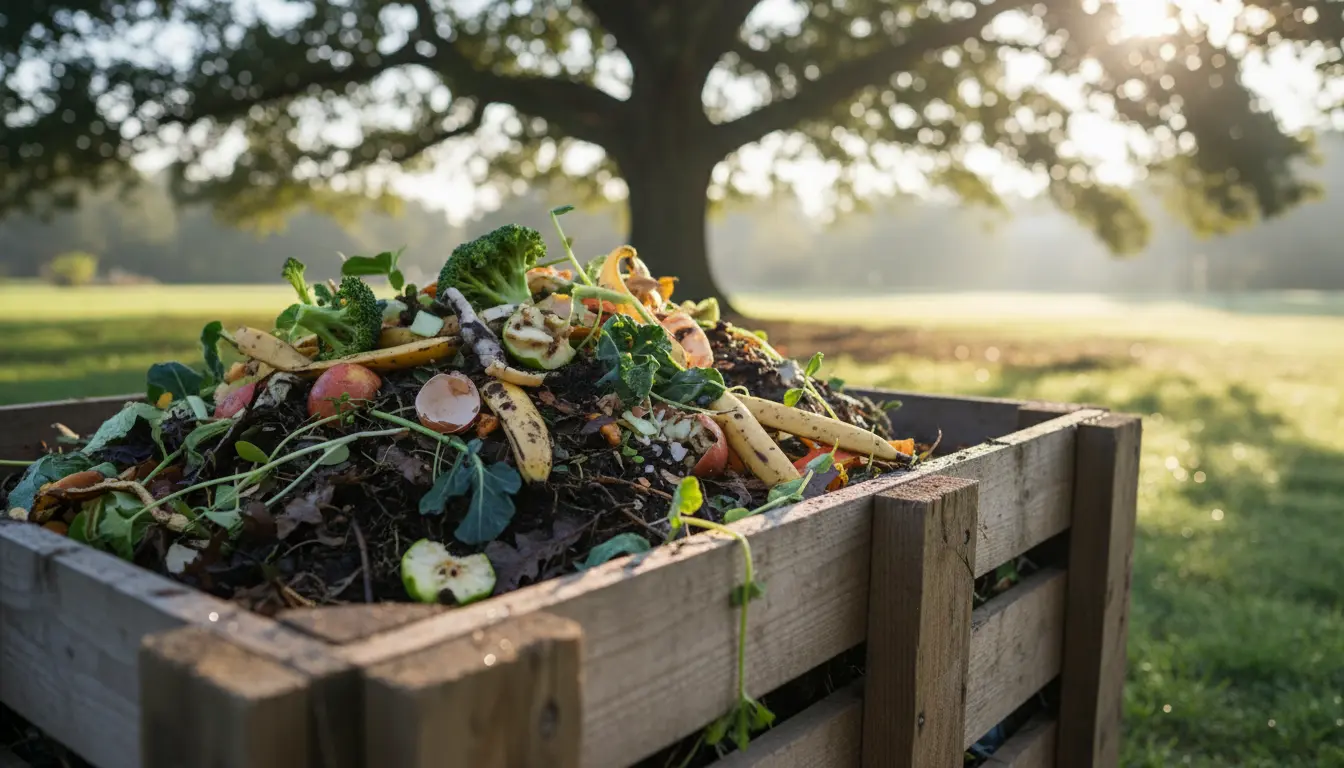
What Is Home Composting?
Home composting is the controlled breakdown of organic kitchen and garden waste into a soil-like material called compost. This process returns nutrients to the soil and reduces household waste sent to landfills.
Compost improves soil structure, water retention, and supports plant growth. It is an easy, low-cost way to close the loop on organic waste at home.
Why Choose Home Composting
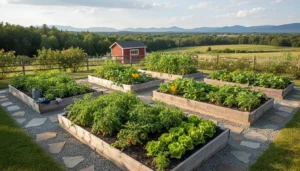
Composting reduces methane emissions from landfills and lowers your household garbage volume. It also produces free, nutrient-rich soil amendment for lawns, flower beds, and potted plants.
For many households, composting becomes a simple routine that saves money on store-bought soil mixes and supports healthier gardens.
Home Composting Basics
How Home Composting Works
Composting relies on microorganisms and small invertebrates to break down organic matter. They need carbon, nitrogen, moisture, and oxygen to work efficiently.
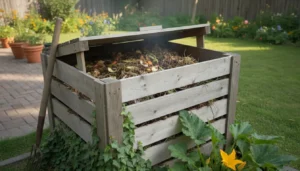
Balance these elements and maintain regular turning or aeration to keep the process active and odor-free.
Materials: Browns and Greens
Use a mix of carbon-rich “browns” and nitrogen-rich “greens.” Browns provide structure and air; greens provide protein for microbes.
- Browns: Dry leaves, straw, shredded paper, cardboard.
- Greens: Vegetable scraps, coffee grounds, fresh grass clippings.
Avoid meat, dairy, oils, diseased plants, and pet waste in a typical home compost pile to prevent pests and odors.
Setting Up a Home Compost System
Choosing a Bin
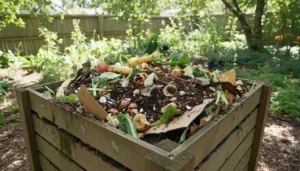
Select a container that fits your space and volume of waste. Options include tumblers, stationary bins, and simple piles.
Tumblers are easier to turn and are neater for small yards. Open bins or piles are cheaper and work well if you have space.
Location and Size
Place your bin in a well-drained, lightly shaded spot with good access. A 3×3 foot pile is a practical minimum for steady heat and decomposition.
Smaller piles can work but may require more frequent attention to maintain moisture and temperature.
Step-by-Step Home Composting Process
- Start with a base layer of coarse browns to improve drainage.
- Add mixed layers of greens and browns in roughly 1:2 ratio (greens to browns by volume).
- Keep the pile moist—about the texture of a wrung-out sponge.
- Turn or mix the pile every 1–2 weeks to add oxygen and even decomposition.
- Monitor temperature: 120–160°F (50–70°C) indicates active composting in larger piles.
- Harvest finished compost in 3–12 months depending on materials and maintenance.
Troubleshooting Common Problems in Home Composting
Bad Odor
Smells often mean too much moisture or too many greens. Add dry browns, mix the pile, and increase aeration.
Pests and Rodents
Avoid meat and dairy; use a closed bin or tumbler and bury food scraps within the pile. A fine mesh screen under the bin can deter rodents.
Slow Decomposition
Slow breakdown usually means poor airflow, low nitrogen, or cold temperatures. Chop materials smaller, add greens, and turn more often.
Uses of Finished Compost
Finished compost is dark, crumbly, and earthy-smelling. Use it as a top dressing, soil amendment, or mix into potting soil.
- Vegetable beds: mix 1–2 inches into the topsoil before planting.
- Potted plants: blend up to 20% compost into potting mixes.
- Lawn: spread a thin layer (1/4 inch) to improve soil health over time.
Did You Know?
Small Case Study: A Simple Home Compost Success
Sarah, a homeowner in Portland, set up a 65-gallon tumbler in her backyard. She composted most kitchen scraps and mixed in shredded cardboard from packaging.
Within six months she produced about 25 gallons of finished compost and reduced her weekly trash by nearly 50%. Her vegetable beds grew faster and required less store-bought fertilizer.
Tips for Busy Households
- Keep a small counter caddy with a charcoal filter to collect scraps before transferring to the outdoor bin.
- Chop larger items to speed decomposition. Frozen leftovers thawed and added in small pieces work fine.
- Rotate bins or use two containers—one active and one curing—to ensure steady supply of finished compost.
Quick Checklist for Successful Home Composting
- Balance browns and greens
- Maintain moisture like a wrung-out sponge
- Turn regularly for oxygen
- Avoid meat, dairy, and pet waste
- Use finished compost to improve soil
Final Thoughts on Home Composting
Home composting is a straightforward sustainability step with clear benefits for gardens and the planet. With a little setup and routine, most households can convert kitchen and yard waste into valuable soil amendment.
Start small, learn from the process, and adapt methods to your space and time. Over months, composting becomes a simple habit that yields tangible rewards.