
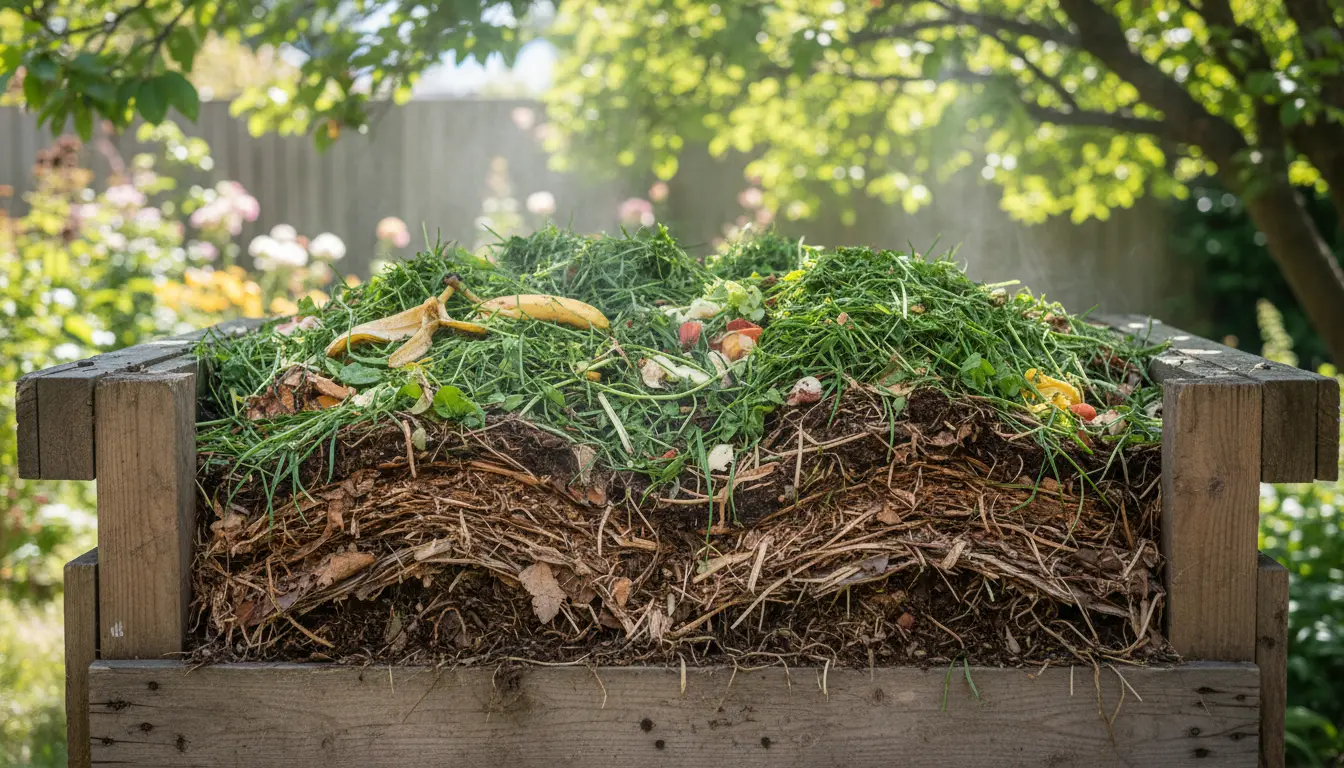
Composting at home turns vegetable scraps and yard waste into valuable soil. This guide on home composting for beginners explains materials, setup, and maintenance in practical steps you can follow this weekend.
Why Home Composting for Beginners Is Worth Doing
Compost reduces household waste and improves soil structure for gardens and potted plants. It also saves money on fertilizer and helps retain moisture in soil during dry months.
For beginners, the process is forgiving: small mistakes rarely ruin an entire bin, and learning happens quickly with simple observation and adjustment.
What You Need to Start Home Composting
Starting composting doesn’t require expensive equipment. You can use a bin, tumbler, or even a simple pile in your backyard.
Key items for home composting for beginners:
- Compost bin or container (plastic, wood, or metal)
- Balance of brown and green materials
- Pitchfork or aerator tool
- Water source for occasional moistening
Brown and Green Materials
Balancing carbon-rich “browns” and nitrogen-rich “greens” is the core of composting. Aim for roughly 3 parts brown to 1 part green by volume.
- Greens: vegetable scraps, coffee grounds, fresh grass clippings
- Browns: dried leaves, shredded paper, straw, cardboard
Step-by-Step Guide to Home Composting for Beginners
This step-by-step approach keeps things simple and predictable for new composters. Follow each stage and adjust based on smell and moisture.
1. Choose a Location and Container
Pick a spot with partial sun and good drainage, close enough for easy access. If using a bin, ensure it has ventilation holes or gaps for airflow.
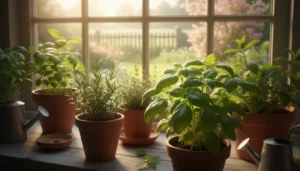
Small spaces can use a tumbling composter or a contained kitchen collection jar for scraps that are transferred to an outdoor bin.
2. Build the First Layer
Start with a 2–4 inch layer of coarse brown material like straw or twigs to promote airflow at the base. Then add alternating layers of greens and browns.
Keep pieces small: chop or shred large items to speed decomposition.
3. Maintain Moisture and Airflow
Compost should be as moist as a wrung-out sponge. Water dry piles during hot weather and mix in more browns if it becomes soggy.
Turn the pile every 1–2 weeks with a pitchfork for a hot pile, or every 3–4 weeks for slower, cooler composting.
4. Troubleshooting Common Problems
Bad smells mean too much green or poor airflow. Add dry browns and turn the pile. Fruit flies can be reduced by burying food scraps beneath browns or using a closed bin.
Slow decomposition often indicates large pieces or low nitrogen. Chop materials finer and add more greens like grass clippings.
How to Use Finished Compost
Compost is ready when it looks dark and crumbly and has an earthy smell. Use it as a soil amendment, mulch, or potting mix component.
- Top-dress garden beds with a 1–2 inch layer in spring or fall
- Mix into potting soil at a ratio of about 1 part compost to 3 parts soil
- Use as mulch around shrubs and trees to retain moisture
Adding wood ash sparingly can raise soil pH and add potassium, but too much ash will harm soil life. Use no more than a small handful per square yard and avoid ash from treated wood.
Small Real-World Example: Apartment Composting Case Study
Case: Sarah, a renter in Portland, started composting with a 5-gallon kitchen pail and a community drop-off. She collected kitchen scraps daily and layered them with shredded paper.
After two months, Sarah moved the mix to a community hot bin and helped turn it weekly. Within four months she had rich compost for her balcony planters and reduced landfill waste from her household by 40%.
Lessons: small indoor collection and community resources make composting viable for renters and city dwellers.
Tips and Best Practices for Home Composting for Beginners
- Chop or shred large materials to speed up decomposition.
- Keep a balance: too many greens cause odors; too many browns slow the process.
- Use a thermometer for hot composting—ideal range is 130–160°F (54–71°C) for rapid breakdown.
- Keep meat, dairy, and oily foods out of home bins unless you have an enclosed, hot system.
- Rotate or harvest finished compost from the bottom of the pile to keep new material on top.
Final Steps and Next Actions
Start small and observe. A simple bin can be set up in an afternoon, and composting habits improve rapidly with practice.
If you’re unsure, connect with local gardening groups or municipal compost programs for tips and drop-off options.
Home composting for beginners is a practical way to reduce waste and enrich soil. With the right balance, regular turning, and simple troubleshooting, you can produce high-quality compost for your garden or potted plants.