
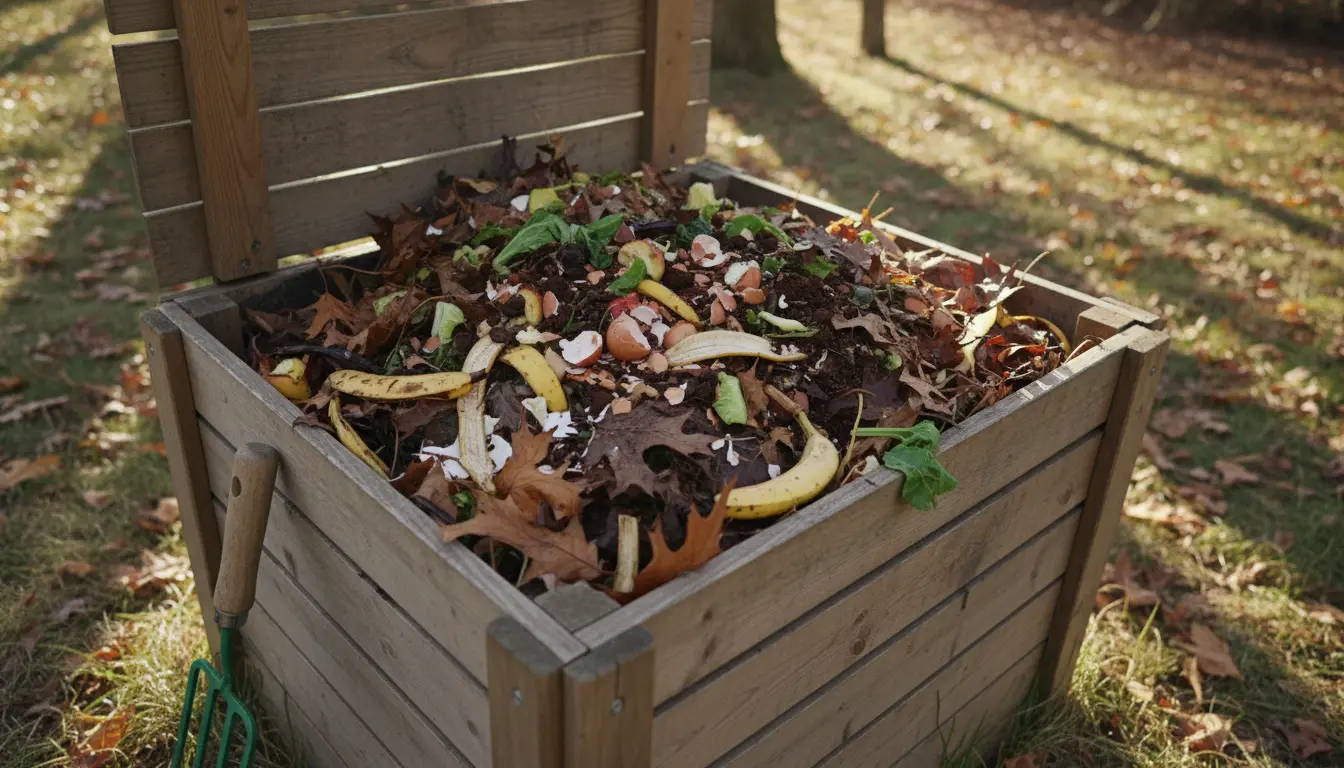
Getting Started with Home Composting
Home composting turns kitchen and garden waste into nutrient-rich soil. It reduces household trash and improves garden health.
This guide explains simple, practical steps to start and maintain a compost bin at home. Follow these steps to avoid common problems and get usable compost in months.
Why Choose Home Composting

Composting reduces landfill waste and returns organic matter to the soil. It also reduces the need for chemical fertilizers.
Home composting is cost-effective and can be done on a small balcony or a backyard. You don’t need special tools to begin.
Choosing a Compost Bin for Home Composting
Select a bin that fits your space and waste volume. Options include tumblers, stationary bins, and simple open piles.
- Tumbler bins: Good for fast turning and pest control.
- Stationary bins: Cost-effective and simple to build or buy.
- Open pile: Works for large yards but needs more management for pests and moisture.
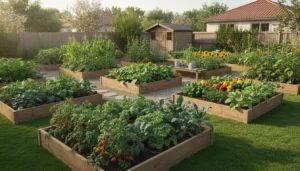
Place the bin on soil or grass to allow drainage and access for beneficial organisms. Ensure some shade to avoid drying out the pile.
What to Compost: Materials for Home Composting
Healthy compost needs a mix of carbon-rich ‘browns’ and nitrogen-rich ‘greens’. Balance is key for decomposition.
- Greens (nitrogen): fruit and vegetable scraps, coffee grounds, fresh grass clippings.
- Browns (carbon): dry leaves, shredded paper, straw, cardboard pieces.
- Avoid: meat, dairy, oily foods, diseased plants, and pet waste.
A simple rule is roughly three parts browns to one part greens by volume. Adjust if the pile smells or dries out.
Building and Maintaining a Compost Pile
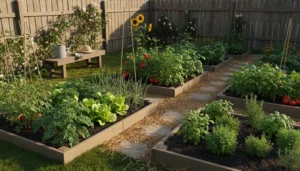
Start with a base layer of coarse brown material for airflow. Add greens and cover with more browns to limit odors.
Turn the pile every 1–2 weeks to introduce oxygen. This speeds up decomposition and reduces smells.
Moisture and Temperature
Compost should feel like a wrung-out sponge: damp but not dripping. Water lightly if it dries, or add browns if it’s too wet.
Temperature affects speed. A hot pile (40–60°C) decomposes faster. Smaller piles may stay cooler but still work well over time.
Speeding Up Composting
- Chop or shred materials to increase surface area.
- Maintain a good brown-to-green ratio.
- Turn regularly to introduce oxygen.
- Use a compost starter or finished compost to introduce microbes.
Composting one household can reduce organic waste by up to 30 percent. Even small indoor systems can divert food scraps from the landfill.
Troubleshooting Common Home Composting Problems
Problems are usually easy to fix if you check balance, moisture, and airflow. Here are common issues and solutions.
- Bad smell: Add more browns and turn the pile. Odors usually mean too much nitrogen or poor airflow.
- Pests: Avoid adding meat and dairy. Use a closed bin or bury food scraps under browns.
- Slow breakdown: Chop materials, add greens, increase moisture, and turn more often.
- Too dry: Add water and greens. Cover the bin during dry spells.
When Is Compost Ready?
Finished compost looks dark, crumbly, and smells earthy. Most small home systems produce usable compost in 3–12 months.
Use finished compost as a soil amendment, mulch, or potting mix ingredient. Screen out large pieces for faster use in the garden.
Small Real-World Case Study
Case: A two-person household in an apartment started a 60-liter tumbler. They collected kitchen scraps in a countertop pail and added them weekly.
They followed a 3:1 browns to greens rule, shredded cardboard, and turned the tumbler every week. In six months they produced about 40 liters of compost and reduced trash volume noticeably.
Lesson: Regular turning and simple balance rules produce reliable results, even in small urban settings.
Practical Tips to Start Today
- Choose a bin that fits your space—start small if needed.
- Collect scraps in a covered container to avoid flies.
- Keep a supply of browns like shredded cardboard or dry leaves.
- Turn the pile regularly and monitor moisture.
- Use finished compost in potted plants or garden beds.
Home composting is a low-cost, effective way to manage organic waste and enrich soil. Start with small steps, observe the pile, and adjust as you learn. Within months you’ll have usable compost and a greener household routine.