
Why Choose Home Composting for Beginners
Home composting reduces household waste and returns nutrients to soil. It is a low-cost way to improve garden health and cut trash bills.
This guide focuses on easy, practical steps for beginners to start composting at home. No prior experience or special equipment is required.
Basic Principles of Home Composting for Beginners
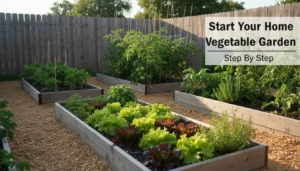
Composting converts kitchen and yard waste into useful organic matter through the action of microbes. The process needs the right balance of carbon, nitrogen, moisture, and air.
Think of “brown” materials (carbon) and “green” materials (nitrogen). A good mix helps speed decomposition and reduces odors.
Key Materials to Use
- Green: fruit and vegetable scraps, tea bags, fresh grass clippings
- Brown: dry leaves, shredded paper, cardboard, straw
- Avoid: meat, dairy, oily foods, diseased plants, pet waste
Ideal Conditions for Compost
- Moisture: Damp like a wrung-out sponge
- Air: Turn occasionally to supply oxygen
- Size: Chopped or shredded pieces break down faster
How to Start Home Composting for Beginners
Choose a composting method that fits your space and lifestyle. Popular options include a simple heap, a tumbler, or a bin.
Place your compost location in partial shade and near a water source for easy maintenance.
Step-by-Step Setup
- Pick a container or designate a spot for a pile.
- Start with a layer of coarse brown material for drainage.
- Add alternating layers of green and brown materials.
- Keep the pile moist and turn every 1–2 weeks.
- Harvest finished compost in 2–6 months depending on conditions.
Common Problems and Troubleshooting
Beginners often face slow breakdown, bad smells, or pests. Most issues are fixable with small adjustments.
Slow Composting
Cause: Too much brown material or large pieces. Fix: Add nitrogen-rich greens and chop larger items.
Bad Odors
Cause: Anaerobic conditions or too much wet material. Fix: Turn the pile and add dry brown material like leaves or cardboard.
Pests
Cause: Food scraps like meat left exposed. Fix: Avoid meat/dairy, bury scraps in the center, or use a closed bin or tumbler.
Tips for Success in Home Composting for Beginners
- Keep a small countertop bin for daily scraps to make collection easy.
- Shred or chop materials to speed decomposition.
- Maintain a 2:1 or 3:1 ratio of brown to green materials by volume for balance.
- Use finished compost as a soil amendment or top dressing for plants.
Composting can reduce household waste by up to 30 percent. Finished compost improves soil structure, water retention, and plant nutrient availability.
Tools and Bin Options
Beginners do not need expensive tools. A pitchfork or sturdy garden fork, a spade, and a small kitchen pail are enough to start.
Bin options include:
- Open heap: Cheapest, works well if you have space and no small animals.
- Closed bin: Controls pests and heat loss, ideal for suburban yards.
- Tumbler: Easy turning, faster composting, smaller batches.
Small Case Study: Balcony Composting in the City
Sarah, a city renter, used a 20-liter tumbling composter on her balcony. She collected fruit and vegetable scraps, shredded cardboard, and paper towels.
Within four months she produced enough compost to top-dress three container plants. Her kitchen waste decreased and plants grew fuller leaves. The closed tumbler prevented odors and pests.
How to Use Finished Compost
Finished compost looks dark, crumbly, and smells earthy. Use it to enrich potting mixes, improve garden beds, or mulch around plants.
Suggestions for application:
- Vegetable beds: Mix 2–3 inches into the top 6–8 inches of soil before planting.
- Potted plants: Replace 10–30 percent of potting soil with compost.
- Lawn top dressing: Spread a thin layer and water to boost soil health.
Final Checklist for Home Composting for Beginners
- Start small and scale up once you find a routine that works.
- Balance greens and browns and keep the pile moist.
- Turn regularly to add oxygen and speed breakdown.
- Keep out meat, dairy, and pet waste to avoid problems.
- Use finished compost to improve soil and reduce fertilizer needs.
Home composting for beginners is a practical step toward a greener home. With a little routine and the right balance of materials, anyone can turn kitchen and yard waste into a valuable resource.