
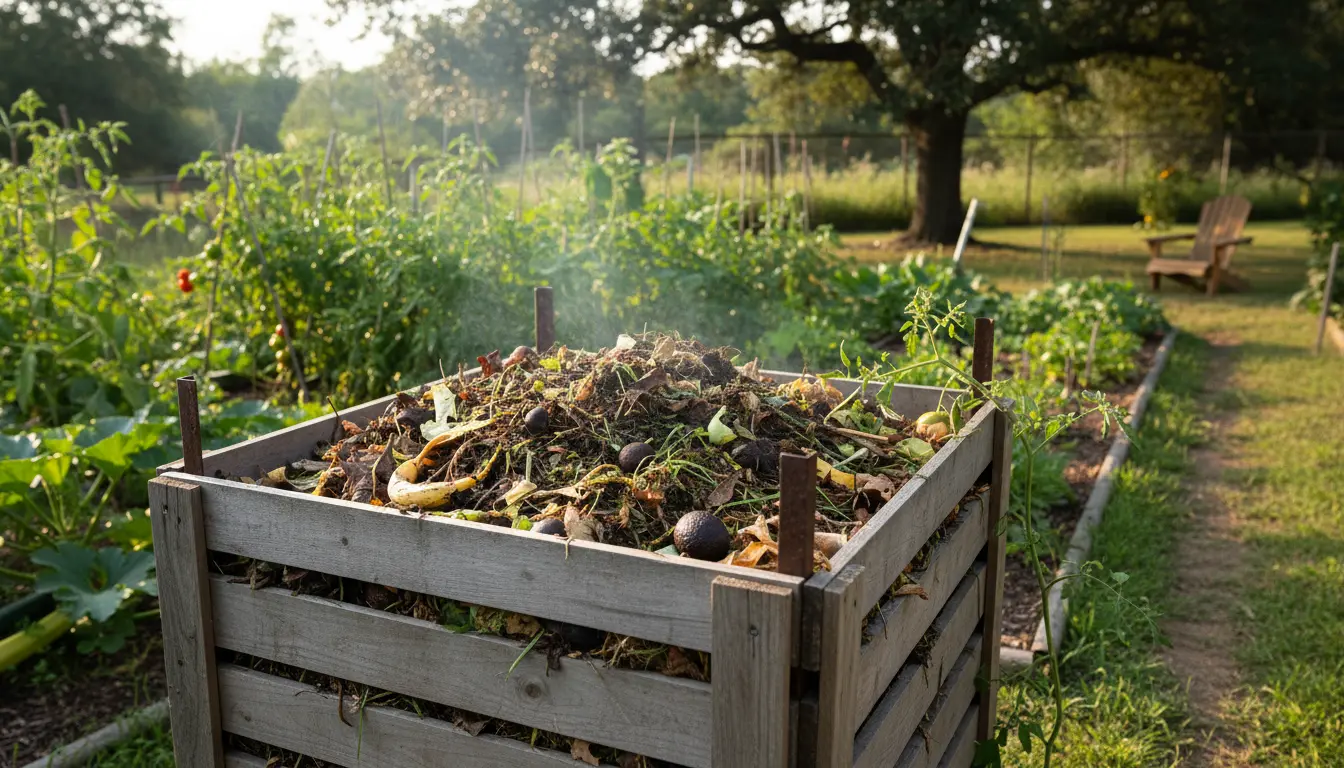
Why Home Composting Matters
Home composting turns food scraps and yard waste into valuable soil. Compost reduces landfill waste and improves garden soil structure.
For beginners, composting is a low-cost way to close the loop on organic waste. This guide shows practical steps to start and maintain a home compost system.
Basic Principles of Home Composting
Compost is the result of organic matter breaking down through microbial action. You need the right balance of carbon, nitrogen, air, and moisture.
Think of carbon as “browns” and nitrogen as “greens.” Browns are dry materials; greens are moist and rich in nitrogen.
Key Ingredients for Composting
- Greens (nitrogen): vegetable scraps, coffee grounds, fresh grass clippings.
- Browns (carbon): dry leaves, cardboard, shredded paper, straw.
- Water: keeps microbes active without making the pile soggy.
- Air: turning or aerating prevents odor and speeds decomposition.
How to Start Home Composting
Choose a method that fits your space: a compost bin, tumbler, or simple open pile. Small households often prefer a closed bin or tumbler to keep pests away.
Follow these steps to begin:
Step 1: Select a Location and Container
Place the bin on bare soil if possible to allow worms and microbes to enter. Choose a shady, level spot to avoid drying out or overheating.
Options include plastic bins, wooden bins, wire cages, or tumblers. For apartment residents, consider a small bokashi system or vermicompost bin.
Step 2: Build the Compost Layer
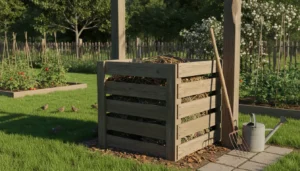
Start with a layer of coarse browns like twigs to help drainage. Alternate thin layers of greens and browns to maintain balance.
A simple rule: aim for roughly 2–3 parts browns to 1 part greens by volume. Adjust if the pile smells or stays too dry.
Step 3: Maintain Moisture and Air
The pile should be about as damp as a wrung-out sponge. Add water during dry weather and cover or add browns if it becomes too wet.
Turn the pile every 1–3 weeks to introduce oxygen. Tumblers make turning easy for new composters.
Troubleshooting Common Issues in Home Composting
Beginners often face a few recurring problems. Below are quick fixes to keep composting progress steady.
Problem: Bad Odor
Cause: Too many greens or poor aeration. Fix: Add more browns, mix the pile, and increase turning frequency.
Problem: Slow Decomposition
Cause: Pile too dry, too cold, or lacking nitrogen. Fix: Add water, add fresh greens, and chop large pieces into smaller bits.
Problem: Fruit Flies or Pests
Cause: Exposed food scraps. Fix: Bury food scraps under browns, use a closed bin, or add a secure lid.
Practical Tips to Speed Up Home Composting
- Chop or shred materials to increase surface area and speed decomposition.
- Keep a kitchen scrap container with a lid to collect greens before transferring to the bin.
- Mix in finished compost or garden soil to introduce beneficial microbes.
- Monitor pile temperature; a hot pile (131–160°F/55–71°C) composts faster but is not required for small home systems.
Case Study: Small Backyard Compost Success
Maria, a homeowner with a 200 sq ft yard, started a 3-bin wooden system. She followed a simple schedule: add scraps daily, alternate layers of greens and browns, and turn once every two weeks.
Results after six months: she diverted roughly 120 kg of organic waste from the trash and produced three full buckets of dark, crumbly compost. She used the compost to top-dress her vegetable beds and saw healthier tomato plants with fewer watering needs.
Using Finished Compost
Finished compost is dark, crumbly, and earthy-smelling. It should no longer resemble the original materials. Use it to improve garden beds, potting mixes, or as mulch.
Apply a 1–3 inch layer to beds, mix into planting holes, or blend one part compost to three parts soil for seedlings.
Composting Do’s and Don’ts
- Do: balance greens and browns, keep the pile moist, and turn regularly.
- Do: chop materials and add finished compost to seedling mixes.
- Don’t: add meat, dairy, pet waste, or diseased plants to your home compost.
- Don’t: overload with grass clippings; mix them with browns to prevent clumping.
Final Checklist to Start Home Composting
- Choose the right bin/tumbler for your space.
- Gather a supply of browns (leaves, shredded paper) before starting.
- Keep a small lidded kitchen container for daily scraps.
- Turn the pile on a regular schedule and monitor moisture.
Home composting is a practical, low-cost way to reduce waste and build better soil. Start small, observe the pile, and adjust the mix as you learn. With a little attention, you can create rich compost that nourishes your garden and reduces trash.