
Why Home Composting Matters
Home composting turns kitchen and yard waste into nutrient-rich soil. It reduces landfill waste, cuts greenhouse gas emissions, and improves garden health.
This guide explains practical steps and choices for home composting for beginners. You will learn methods, what to compost, how to maintain a pile, and simple troubleshooting.
Getting Started with Home Composting
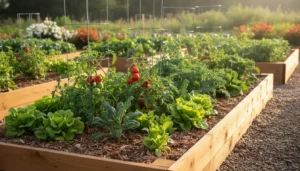
Decide on the space and method first. Even small balconies or a corner of the yard can work well for composting for beginners.
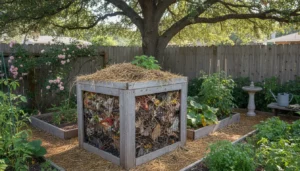
Common options include a simple bin, tumbler, or a small worm composter for apartments. Choose what fits your space and commitment level.
Choosing a Composting Method
- Open pile: Easiest and low cost for yards.
- Bin or tumbler: Better for neatness and faster turning.
- Vermicomposting: Uses worms for fast breakdown indoors or in small spaces.
Tools and Materials You Need
- Compost bin, tumbler, or worm bin
- Garden fork or small shovel for turning
- Kitchen pail for scraps with a tight lid
- Carbon sources like dry leaves or shredded paper
What to Compost and What Not to Compost
Knowing what to add helps maintain a healthy compost heap. Balance green and brown materials to support microbial activity.
Good Items to Compost
- Fruit and vegetable scraps
- Coffee grounds and tea bags (remove staples)
- Yard waste like grass clippings and leaves
- Shredded paper, cardboard, and small amounts of sawdust
Items to Avoid
- Meat, fish, dairy, and oily foods (attract pests)
- Diseased plants and weeds with seeds
- Pet waste from carnivores
- Large branches that take too long to break down
Step-by-Step Composting Guide for Beginners
- Pick a spot: Choose a well-drained, semi-shaded location for outdoor bins. For apartments, set up a worm bin under a counter or on a balcony.
- Build the base: Add a layer of coarse material like twigs or straw for airflow if using an open bin.
- Layer materials: Alternate green (nitrogen) and brown (carbon) layers roughly 2:1 by volume of browns to greens for steady composting.
- Moisture and aeration: Keep the pile moist like a wrung-out sponge. Turn or aerate the pile every 1–2 weeks to speed decomposition.
- Monitor: Finished compost looks dark and crumbly and smells earthy. Smaller systems may take 2–6 months; larger piles can take longer.
Troubleshooting Common Problems in Home Composting
Problems are common early on but easy to fix. Keep adjustments small and observe changes over a week or two.
Bad Smell
A strong rotten smell means too much green or poor aeration. Add brown materials and turn the pile to introduce air.
Pests
Raccoons, rodents, or flies indicate exposed food or a bin that is too open. Bury fresh scraps under a brown layer and use a closed bin or tumbler.
Slow Breakdown
Slow decomposition often results from insufficient moisture, poor mixing of materials, or too large chunks. Chop or shred items and moisten as needed.
Real-World Example: Small Apartment Composting Case Study
Case: Jenna, a two-room apartment dweller, started vermicomposting in a 15-liter worm bin. She placed the bin under her kitchen counter and added fruit and vegetable scraps three times a week.
Within three months she harvested dark compost that she mixed into potted herbs. Her food waste dropped by nearly half and her plants grew more vigorously.
Benefits and Uses of Finished Compost
Finished compost improves soil structure, increases water retention, and supplies slow-release nutrients. It can be used in gardens, potted plants, and vegetable beds.
Use compost as a top dressing, mix into potting soil, or blend into garden beds at planting time.
Quick Tips and Maintenance
- Keep a small countertop container to collect scraps and empty it regularly.
- Chop large items to speed decomposition.
- Record what you add for a few weeks to find the right balance of greens and browns.
- Use finished compost within a year for best nutrient levels.
Composting one household can divert hundreds of pounds of organic waste from landfills each year and reduce methane emissions from landfills.
Final Notes on Starting Home Composting
Home composting for beginners is low cost and flexible. Start simple, learn from small adjustments, and scale up as you gain confidence.
With basic attention to balance, moisture, and aeration, most households can produce excellent compost that benefits gardens and reduces waste.