
What Is Home Composting?
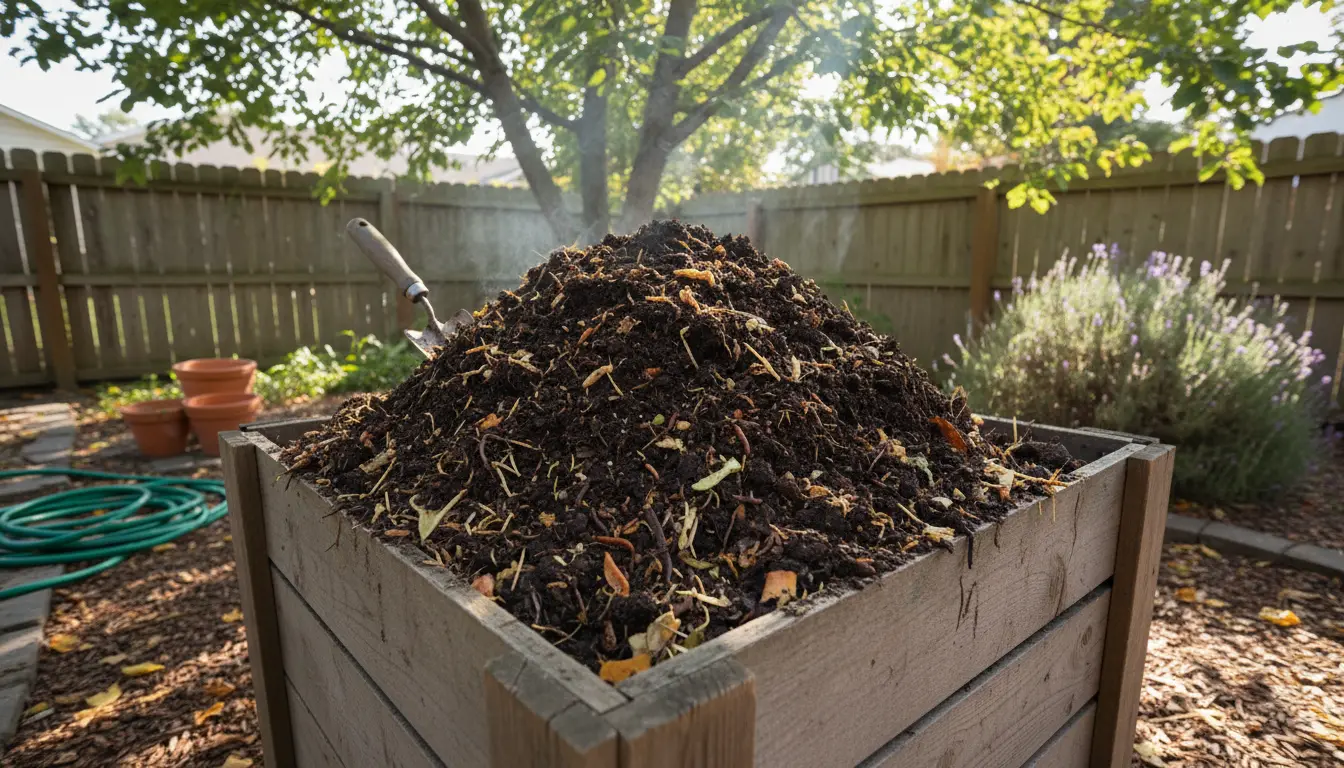
Home composting is the process of turning kitchen scraps and yard waste into nutrient-rich soil conditioner. It recycles organic matter and reduces household waste going to landfills.
Why Start Home Composting
Composting lowers waste costs, improves garden soil, and helps the environment by reducing methane from landfills. It is a low-cost way to enrich plants and cut down on chemical fertilizers.
How to Start Home Composting: Simple Steps
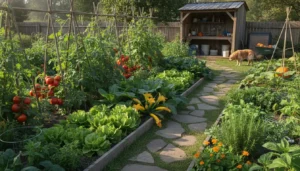
Starting a home composting system is straightforward and can be done with minimal tools. Follow these practical steps to get a working compost pile or bin in weeks.
Choose a Composting Method
Pick a method that fits your space and lifestyle. Options include a simple pile, a compost bin, a tumbler, or vermicomposting with worms.
- Backyard bin: Good for yards and moderate volumes of waste.
- Compost tumbler: Faster mixing and easier to turn.
- Vermicompost: Ideal for apartments and small kitchens using red worms.
Select a Location
Place your compost in a well-drained, partially shaded spot. This keeps the pile moist without flooding and makes it accessible for turning.
Collect the Right Materials
Balance green (nitrogen) and brown (carbon) materials for efficient decomposition. Aim for a rough 2:1 or 3:1 ratio of browns to greens by volume.
- Greens: fruit and vegetable scraps, coffee grounds, fresh lawn clippings.
- Browns: dry leaves, shredded paper, cardboard, straw, wood chips.
Maintaining Your Home Composting System
Regular maintenance keeps the composting process active and prevents odors or pests. It involves turning, moisture control, and monitoring temperature.
Turning the Pile
Turn the compost every 1–2 weeks to introduce oxygen. For tumblers, rotate more often for faster results.
Moisture and Temperature
Compost should feel like a wrung-out sponge—moist but not soggy. Proper moisture and airflow encourage microbes and speed up decomposition.
What to Avoid Putting in Home Composting
Certain items cause problems or attract pests. Keep these out of your home compost to maintain a healthy system.
- Meat, dairy, and oily foods (attract pests and smell).
- Diseased plants or invasive weeds (can survive the process).
- Pet waste from carnivores (contains harmful pathogens).
Troubleshooting Common Composting Problems
Issues like bad smells, slow decomposition, or pests are common and usually fixable. Adjusting balance and aeration solves most problems quickly.
Bad Smell
Bad odors usually mean too much green material or poor aeration. Add more browns and turn the pile to restore balance.
Slow Decomposition
If composting is slow, add water if dry, add greens if too brown, and chop larger pieces to increase surface area for microbes.
Pest Problems
To reduce pests, bury food scraps in the center, use a closed bin, or add a layer of browns after each green addition.
Home composting can reduce household waste by up to 30 percent and can produce rich compost in as little as two to three months with proper care.
Using Finished Compost
Finished compost looks dark and crumbly and smells earthy. Use it to enrich garden beds, potting mixes, or as a lawn top dressing.
- Mix 1–2 inches into garden beds before planting.
- Use 10–20% compost mixed into potting soil for containers.
- Top-dress lawns with a thin layer to improve soil health gradually.
Small Case Study: A Balcony Compost Success
Maria lives in a two-bedroom apartment and started a vermicompost bin on her balcony. She used a 10-liter bin with red worms and added kitchen scraps daily.
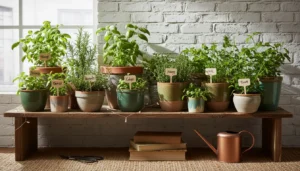
Within four months she produced about 20 liters of worm castings. She used the castings to boost potting soil for herbs and tomatoes, noting stronger plant growth and reduced need for store-bought fertilizer.
Quick Tips for Home Composting Success
- Chop or shred large items to speed decomposition.
- Keep a covered container in the kitchen to collect scraps and reduce trips outside.
- Record what you add and how the pile reacts—this helps you learn the right balance.
- Use a thermometer for hot composting if you want faster breakdown and pathogen kill.
Start Today
Home composting is practical, low-cost, and adaptable to any living situation. Choose a method, gather materials, and begin with small batches to learn the balance.
With a bit of attention for a few weeks, you can turn everyday organic waste into valuable compost for a healthier garden.