
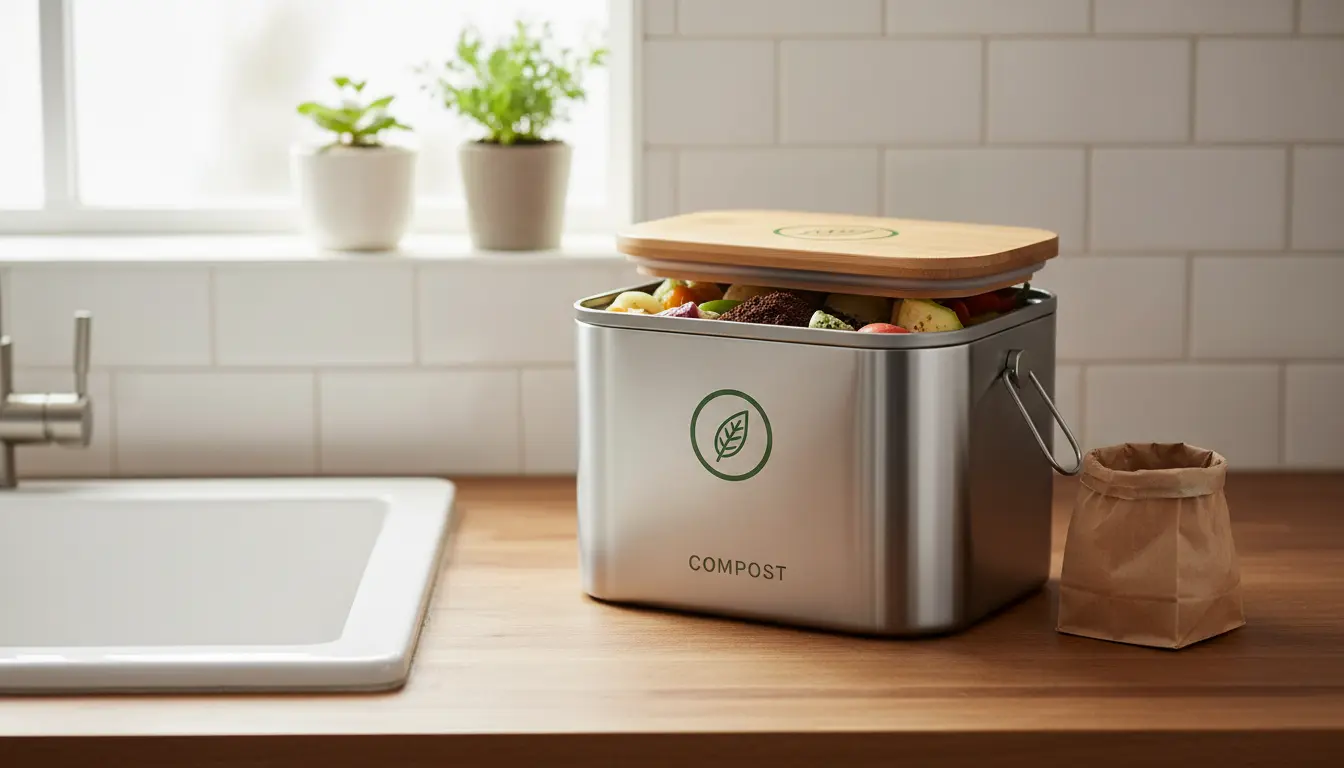
Home composting is an easy way to reduce kitchen waste and create nutrient-rich soil for plants. This guide explains simple systems you can start at home and common mistakes to avoid.
Home Composting for Beginners: Choose Your System
Choose a composting method that fits your space and lifestyle. Popular options include a backyard bin, a tumbling composter, or an indoor worm (vermicompost) bin.
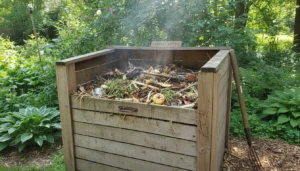
Each system has pros and cons. Backyard bins handle larger volumes, tumblers speed composting, and worm bins work well in apartments.
Backyard Bin Basics
A basic bin is a low-cost choice for yards. Place it on soil to allow organisms to move in and out, and add a mix of green and brown materials.
Turn the pile every 2–4 weeks to add air and speed decomposition.
Indoor Worm Bin (Vermicompost)
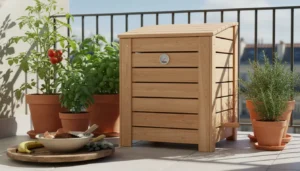
Worm bins are compact and odor-controlled. Use red wiggler worms, shredded paper, and kitchen scraps. Keep moisture like a wrung-out sponge.
Harvest worm castings after 2–4 months depending on volume and conditions.
Home Composting for Beginners: What to Compost
Balance is key. Compost needs carbon-rich brown materials and nitrogen-rich green materials. Aim for roughly 3 parts brown to 1 part green by volume.
- Green materials: vegetable scraps, fruit peels, coffee grounds, fresh grass clippings.
- Brown materials: dry leaves, shredded cardboard, paper, straw.
- Do not compost: meat, dairy, oily foods, diseased plants, pet waste.
Quick Examples of Combinations
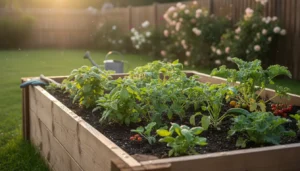
Mix a bucket of kitchen scraps with three buckets of shredded leaves or cardboard. Add a handful of garden soil to introduce microbes.
For worm bins, chop scraps finely and bury them under bedding to avoid fruit flies.
Home Composting for Beginners: Getting the Balance Right
Moisture, air, and particle size affect how fast compost breaks down. Keep materials moist but not soggy and mix to add oxygen.
Smaller pieces decompose faster, so chop or shred bulky items before adding them.
Turning and Aeration
Turning the pile adds oxygen and prevents odors. For hot composting, turn weekly. For slower methods, turn every 2–4 weeks.
Tumblers are easier to turn and can speed up the process for beginners with limited time.
Composting can divert up to 30 percent of household waste from landfills, reducing methane emissions and producing free soil conditioner for gardens.
Home Composting for Beginners: Troubleshooting Common Problems
Bad smells usually mean too much green material or too little air. Add brown material and turn the pile to resolve odors.
Slow decomposition often means the pile is too dry or too cold. Add water and smaller pieces, and move the pile to a sunnier spot if possible.
Pest Control
Avoid meat and oily scraps to keep pests away. Use sealed containers inside and bury fresh scraps under browns outside.
For worm bins, use tight-fitting lids and a light trap (worms avoid light) to deter flies.
Home Composting for Beginners: Timeline and Use of Finished Compost
Compost can take 1 month to 1 year depending on the system and conditions. Hot composting with small particles and regular turning yields finished compost fastest.
Finished compost is dark, crumbly, and smells earthy. Use it as a soil amendment, potting mix ingredient, or mulch for beds.
How to Test Compost Readiness
- Texture: Uniform and crumbly, no recognizable food scraps.
- Smell: Earthy, not sour or ammonia-like.
- Temperature: Returns to ambient after initial heating phase.
Small Case Study: Apartment Worm Bin Success
Maria, a city apartment dweller, started a 10-liter worm bin under her sink. She added bedding made from shredded cardboard and kitchen scraps twice weekly.
Within three months she reduced her kitchen waste by 45 percent and used the worm castings to grow herbs on her windowsill. The bin required minimal maintenance and produced no noticeable odor.
Home Composting for Beginners: Practical Tips to Start Today
- Start small: Use a 5–10 liter container for kitchen scraps if you are unsure.
- Keep a countertop collection bucket with a tight lid to limit smells.
- Use shredded newspaper or cardboard as cheap brown material.
- Monitor moisture and add water or dry material to maintain balance.
- Label and rotate bins if using multiple to track progress.
Home composting is an accessible, low-cost habit with measurable benefits for your garden and the environment. Choose a system that fits your space, keep a steady mix of browns and greens, and troubleshoot odors and pests with simple adjustments.
With a little attention and patience, even beginners can turn kitchen scraps into valuable compost that improves soil health and reduces waste.