
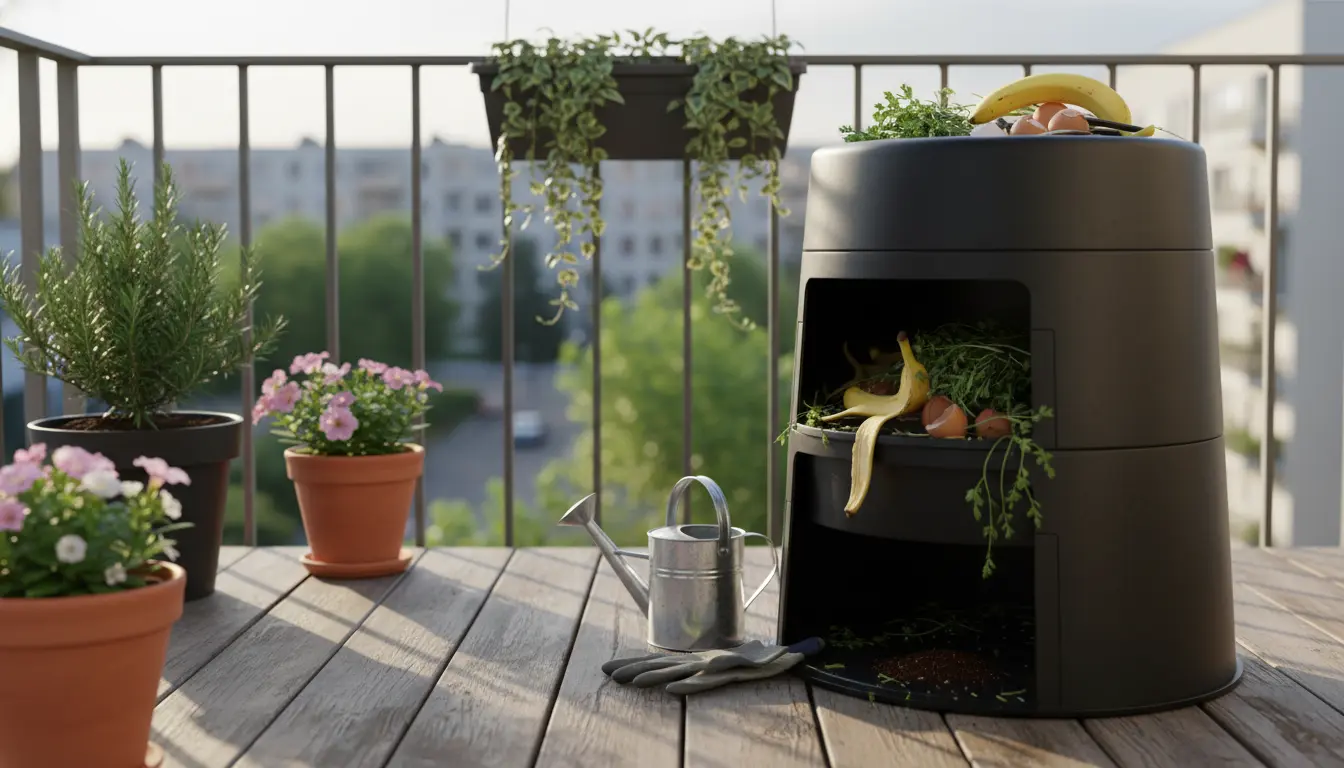
Home composting for beginners is a practical way to reduce kitchen waste and create rich soil for plants. This guide gives clear steps, tool choices, and troubleshooting tips to start composting at home.
Why Choose Home Composting
Composting converts organic waste into a nutrient-rich amendment that improves soil structure and plant health. It lowers trash volume and reduces greenhouse gas emissions from landfills.
For beginners, composting is low cost and scalable from a small countertop bin to a backyard pile. You can tailor the method to the space and lifestyle you have.
Basic Principles of Home Composting
Compost is created when microorganisms break down organic matter in the presence of oxygen. Two key inputs are carbon rich and nitrogen rich materials.
Balance and moisture are essential. Aim for a mix that is damp like a wrung-out sponge and includes both browns and greens.
What to Compost
- Greens (nitrogen): fruit and vegetable scraps, coffee grounds, fresh grass clippings.
- Browns (carbon): dry leaves, shredded paper, cardboard pieces, straw.
- Small amounts of garden trimmings and eggshells are fine. Avoid meat, dairy, and oily foods in most home systems.
Simple Compost Recipe for Beginners
- Start with a base layer of coarse browns for airflow.
- Add a layer of greens about half the thickness of browns.
- Mix, moisten, and repeat. Turn every 1–2 weeks for faster results.
Choosing a Bin: Options for Different Living Situations
Choose a compost method that fits your space. Each option works well when managed correctly.
Countertop and Kitchen Bins
Small sealed containers hold daily scraps and make collection easy. Empty them into a larger bin or outdoor system regularly to avoid odors.
Tumbler Bins
Tumblers are enclosed and make turning simple. They accelerate composting and reduce pest issues, suitable for small yards.
Open Pile or Bin
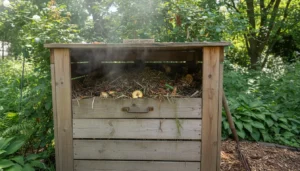
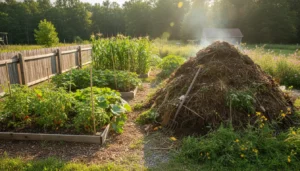
Open piles are cost effective and great for larger gardens. They need more turning and can attract pests if not managed.
Step-by-Step Start Guide for Composting for Beginners
- Pick a bin that suits your space and budget.
- Layer browns and greens, aiming for roughly 2 parts browns to 1 part greens by volume.
- Keep the pile moist but not soggy. Water lightly if dry.
- Turn the pile every 1–2 weeks to add oxygen and speed decomposition.
- Wait 2–6 months for finished compost, depending on method and care.
Troubleshooting Common Problems in Home Composting
If your compost smells, it is usually too wet or lacks air. Add dry browns and turn the pile to fix odors.
If the pile is slow to break down, add more greens, chop materials smaller, and increase turning frequency. Cold piles need more nitrogen and moisture.
Pest Prevention Tips
- Do not add meat, dairy, or oily foods to open systems.
- Bury food scraps under browns and use secure lids on bins.
- Maintain a balanced mix and avoid excess fruit if rodents are a concern.
Compost can reduce household waste by up to 30 percent and return valuable nutrients to soil, lowering the need for chemical fertilizers.
How to Use Finished Compost
Finished compost is dark, crumbly, and earthy smelling. Use it as a top dressing, mix into potting soil, or work into garden beds.
Apply a 1 to 2 inch layer around plants or blend 10–20 percent compost into existing soil for improved structure and fertility.
Small Real-World Example
Case study: A two-person apartment household started a small worm bin on a balcony. They diverted coffee grounds, vegetable scraps, and shredded paper into the bin. After six months they produced about 20 liters of vermicompost.
They used the compost in balcony planters and noticed healthier herbs and better water retention. The effort cut their organic waste by half and saved on store-bought potting mix.
Quick Checklist for Composting for Beginners
- Choose a bin that fits your lifestyle.
- Keep a good brown to green balance.
- Maintain moisture and air through turning.
- Monitor for pests and odors and adjust inputs as needed.
- Harvest finished compost and use it to improve soil.
Home composting for beginners is a straightforward, rewarding practice. With a small investment of time and a few simple rules, anyone can turn kitchen scraps into valuable soil amendment. Start small, observe how your system responds, and adjust to find the rhythm that works for you.