
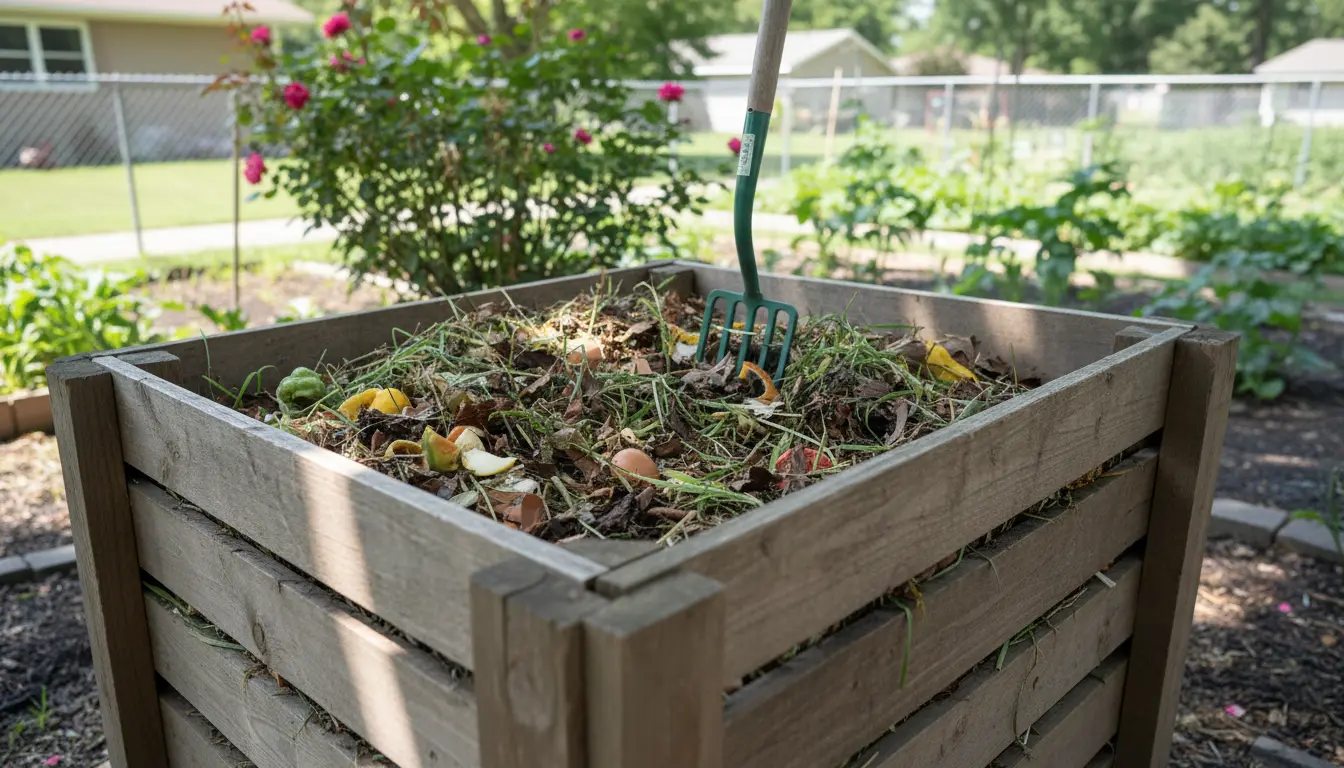
Home composting turns kitchen scraps and yard waste into nutrient-rich soil amendment. This guide walks beginners through simple, practical steps to start composting at home and avoid common mistakes.
Home Composting Basics
Composting is the controlled decomposition of organic material by microorganisms. When done well, it reduces waste and produces compost you can use to improve soil structure and fertility.
Key elements are carbon (browns), nitrogen (greens), moisture, aeration, and time. Balancing these elements speeds up the process and prevents odor problems.
How to Start Home Composting
Starting composting doesn’t require special skills. You can begin with a simple bin, a corner of the yard, or even a small container on a balcony.
Setting Up a Compost Bin
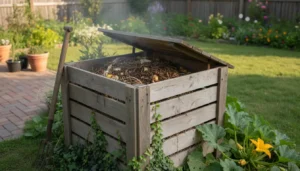
Choose a container: an open pile, a tumbling bin, or a stationary bin all work. Pick a size that fits your household and space.

Location matters. Place the bin on soil if possible to let beneficial organisms enter. Ensure it has some shade and access for turning.
Choosing Materials: Greens and Browns
Greens (nitrogen-rich): vegetable scraps, coffee grounds, fresh grass clippings, tea bags. These add moisture and protein for microbes.
Browns (carbon-rich): dry leaves, straw, shredded cardboard, newspaper. These provide structure and slow decomposition.
Aim for roughly a 2:1 to 3:1 ratio of browns to greens by volume. Too many greens cause odors; too many browns slow breakdown.
Turning and Monitoring Your Compost
Turn the pile every 1–2 weeks to add oxygen and mix materials. For a tumbler, rotate as recommended by the manufacturer.
Monitor moisture with the squeeze test. A handful of compost should feel like a wrung-out sponge. Add water if dry and add browns if soggy.
Troubleshooting Odor and Pests
Common issue: foul smell. This usually means the pile is too wet or has too many greens. Add browns and turn the pile to restore aerobic conditions.
Pests like rodents are attracted to food scraps. Avoid adding meat, dairy, or oily foods. Use a closed bin or a compost tumbler to reduce access.
Home Composting Timeline and Temperature
Compost can be ready in 2 months to 2 years depending on method and care. Hot composting (active turning and correct balance) reaches higher temperatures and decomposes faster.
Most backyard compost piles operate in the mesophilic to thermophilic range, which helps kill many seeds and pathogens when temperatures rise above 131°F (55°C) for several days.
Using Finished Compost
Finished compost is dark, crumbly, and smells earthy. Use it to top-dress lawns, amend garden beds, or mix into potting soil.
Application tips:
- Vegetable beds: mix 2–4 inches into the top 6–8 inches of soil before planting.
- Lawns: spread a thin layer (1/4 to 1/2 inch) and water to integrate.
- Potted plants: mix up to 30% compost with potting mix to improve water retention and nutrients.
Small Real-World Example
Case study: A household of three started a 3-bin system in spring. They collected kitchen scraps in a countertop caddy and layered them with shredded leaves.
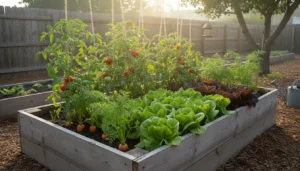
After six months of turning and maintaining the moisture, they produced rich compost used for tomatoes and peppers. Their tomato plants showed fuller foliage and improved yields the following season.
About 30% of household waste is compostable food and yard material. Composting at home can significantly cut landfill waste and lower household methane emissions.
Common Questions Beginners Ask
How often should I add scraps? Add scraps as you produce them and cover with browns. Frequent small additions are fine if you maintain balance.
Can I compost in winter? Yes. Decomposition slows in cold weather, but indoor bins, insulated piles, or tumblers can keep things active.
Quick Checklist for Starting Home Composting
- Choose a bin or spot and set it up on soil.
- Collect greens and browns separately.
- Layer or mix materials in a 2:1 to 3:1 browns-to-greens ratio.
- Keep the pile moist but not soggy; aim for wrung-out sponge feel.
- Turn regularly for aeration and faster decomposition.
- Avoid meat, dairy, and oily foods to reduce pests and odor.
Final Tips for Successful Home Composting
Start simple and learn by doing. Most mistakes can be fixed by adjusting moisture and adding the right materials.
Track what you add and how often you turn the pile for clearer results. Over time you will find a routine that fits your household and yields great compost for your garden.
Ready to start? Gather a simple bin, a handful of brown material, and kitchen scraps, and begin your first compost layer today.