
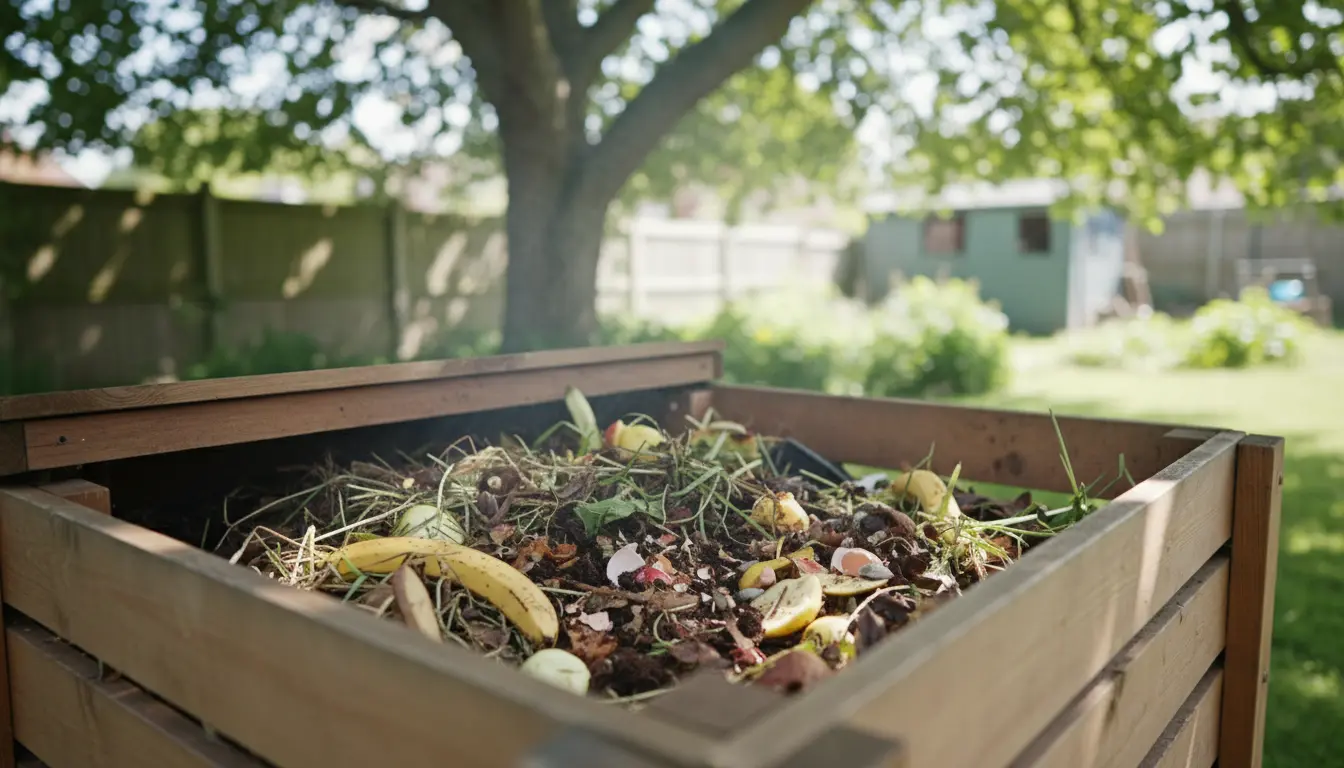
Home composting turns kitchen scraps and yard waste into nutrient-rich soil. This guide gives clear, actionable steps to start composting at home, reduce waste, and improve soil health.
Why Home Composting Matters
Composting reduces landfill waste and lowers methane emissions. It also creates a free soil amendment that helps retain moisture and supports plant growth.
Basic Principles of Home Composting
Successful composting depends on three factors: carbon, nitrogen, and oxygen. Balance these elements and decomposition happens quickly and without odor.
Carbon and Nitrogen
Carbon-rich materials are called browns; nitrogen-rich items are greens. Aim for a mix rather than strict proportions to keep the process active.
- Common browns: dry leaves, straw, shredded paper, cardboard.
- Common greens: vegetable scraps, coffee grounds, fresh grass clippings.
Air and Moisture
Oxygen feeds the microbes that break down waste. Turn the pile every 1–2 weeks or use a tumbler for better aeration. Keep the pile moist like a wrung-out sponge.
Choosing a Home Composting System
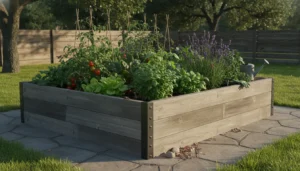
Pick a system that fits your space, budget, and lifestyle. There are several effective options for different living situations.
- Open pile: low cost, requires space and occasional turning.
- Compost bin: tidy and compact, good for yards.
- Tumbler: easier to turn, faster results, more expensive.
- Bokashi or worm bin (vermicomposting): ideal for apartments and small spaces.
Small Space Solutions
Apartment dwellers can use a worm bin or Bokashi system. Both handle kitchen waste and produce minimal odor when managed correctly.
Step-by-Step Start Guide for Home Composting
Follow these practical steps to create and maintain a healthy compost pile or bin at home.
- Choose location: a level, partially shaded spot close to water access.
- Select container: pick a bin or method that suits your space.
- Gather materials: alternate layers of browns and greens.
- Maintain moisture: add water if dry, cover if too wet.
- Turn regularly: mix the pile to add oxygen and speed decomposition.
- Harvest finished compost: sift out unfinished bits and return them to the pile.
Troubleshooting Common Home Composting Problems
Even new composters face issues. Here are quick fixes for the most common problems.
- Bad smell: add more browns and turn the pile to increase oxygen.
- Slow decomposition: chop materials smaller and keep the pile moist.
- Pests: avoid meat, dairy, and oily foods; secure the bin and bury food scraps inside the pile.
- Too dry: add water and more greens to restore microbial activity.
Composting one ton of organic waste can save about 0.5 to 1 ton of CO2 equivalent compared with sending it to landfill. Small household efforts add up.
Practical Tips for Faster Compost
Speed up composting with these simple techniques that fit most home setups.
- Shred or chop materials to increase surface area.
- Maintain a loose, well-aerated pile rather than compacting it.
- Keep a balanced mix of browns and greens for active microbes.
- Use a compost thermometer to aim for 131–160°F (55–70°C) for hot composting when possible.
Case Study: Home Composting Success in a Small Garden
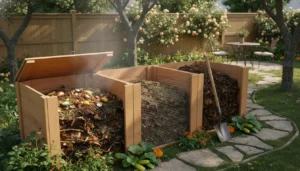
Anna, a homeowner with a 30×40 ft yard, switched to a three-bin compost system two years ago. She balanced kitchen scraps and yard trimmings and turned each bin weekly.
After six months her garden beds showed visible improvement: soil structure was softer, raised beds retained moisture longer, and tomato yields increased by nearly 20% the next season.
This example shows how consistent, small efforts in composting lead to measurable garden benefits.
What to Compost and What to Avoid
Knowing what to add keeps compost healthy and safe for plants.
- Do compost: fruit and vegetable scraps, coffee grounds, eggshells, shredded paper, yard waste.
- Avoid: meat, dairy, diseased plants, treated wood, pet waste from carnivores.
Final Checklist for Home Composting
Use this quick checklist to stay on track and build composting into your routine.
- Set up bin or system that fits your living space.
- Collect kitchen scraps in a small container with a lid.
- Layer browns and greens and keep the pile moist.
- Turn the pile regularly and monitor for pests and smell.
- Harvest finished compost and apply it to garden beds.
Home composting is practical and affordable. Start small, adjust as you learn, and you’ll create rich soil while cutting waste.