
What Is Home Composting for Beginners
Home composting for beginners means turning kitchen scraps and yard waste into useful soil mix. It uses basic biological processes to break down organic material into compost you can use for plants.
This guide explains simple steps, tools, and troubleshooting tips so you can start composting at home with confidence.
Why Choose Home Composting
Composting reduces household waste and creates nutrient-rich material for gardens and potted plants. It also lowers trash costs and cuts methane emissions from landfills.
For beginners, the process is affordable, low-tech, and scalable to any living situation from apartments to larger yards.
Essential Materials for Home Composting
Start with a few basic items. You do not need expensive equipment to make good compost.
- Compost bin or tumbler (or a simple DIY bin)
- Kitchen collection container with a lid
- Brown materials: dry leaves, cardboard, shredded paper
- Green materials: vegetable scraps, coffee grounds, fresh grass clippings
- Garden fork or small shovel for turning
Choosing a Compost Bin
Pick a bin that fits your space and volume needs. Tumblers speed up the process but a simple bin or pile works well for beginners.
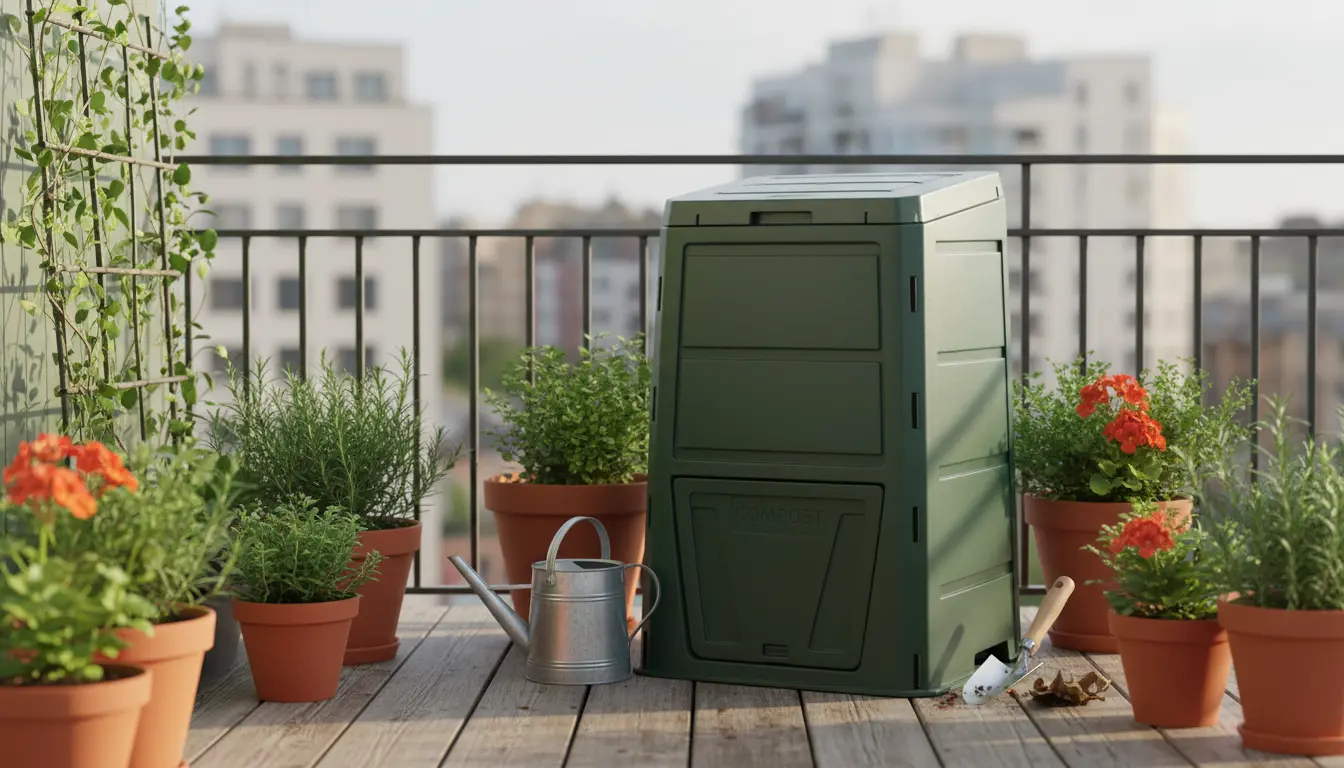
For balconies or small patios, use a compact compost tumbler or a worm composting bin (vermicompost) to save space and avoid odors.
Step-by-Step: How to Start Composting at Home
Follow these practical steps to build a balanced compost pile or bin at home.
- Pick a spot: a dry, shady place near a water source is ideal.
- Layer materials: start with coarse brown material for airflow, then add green scraps.
- Maintain balance: aim for roughly 3 parts brown to 1 part green by volume.
- Keep moisture right: compost should feel like a wrung-out sponge.
- Turn regularly: aerate the pile every 1–2 weeks to speed decomposition.
What to Compost and What to Avoid
Common kitchen scraps are great, but some items cause problems in small home systems.
- Good: fruit and vegetable scraps, coffee grounds, tea bags, eggshells
- Use sparingly: citrus peels and onion skins can be added in moderation
- Avoid: meat, dairy, oily foods, pet waste, diseased plants
Compost can heat up to 140°F (60°C) in large, active piles, killing many weed seeds and pathogens. Small home bins rarely reach that temperature, so watch for persistent weeds in finished compost.
Troubleshooting Common Problems
New composters often face a few common issues. Most problems have quick fixes.
- Bad smell: add more brown materials and turn the pile to increase airflow.
- Too dry: add water and more green materials to reactivate microbes.
- Slow decomposition: chop materials smaller and maintain the brown/green balance.
- Pests: keep food scraps covered, avoid meats, and use a closed bin if needed.
Speeding Up Compost
To accelerate composting, shred materials, maintain moisture, and turn the pile frequently. Adding finished compost or a small amount of garden soil introduces helpful microbes.
Using Finished Compost
Finished compost is dark, crumbly, and earthy-smelling. It should no longer resemble the original materials.
Use it as a soil conditioner, top dressing for lawns, or mix it into potting soil for container plants. Aim to add a thin layer to beds in spring or fall.
Small Real-World Case Study
Case Study: Sarah’s Apartment Composter
Sarah, a city resident, started a 20-liter worm bin on her balcony. She collected kitchen scraps for three months and fed the worms on a regular schedule.
Results: Sarah reduced her weekly trash by half and produced enough vermicompost to feed five balcony planters. Her tomatoes and herbs showed visibly improved growth in the first season.
Quick Tips for Successful Home Composting
Use these practical tips to avoid common pitfalls and keep composting simple and effective.
- Chop or shred large items to speed decomposition.
- Keep a small sealed kitchen bucket to reduce trips and odors.
- Rotate bins or start a second pile to maintain continuous composting.
- Record what you add and how often you turn to refine your routine.
Final Thoughts on Home Composting for Beginners
Home composting for beginners is both achievable and rewarding. Small, consistent actions create valuable compost and reduce household waste.
Start with simple tools, keep the process balanced, and learn by doing. Within a few months you’ll see measurable benefits for plants and the environment.