
Why Choose Home Composting
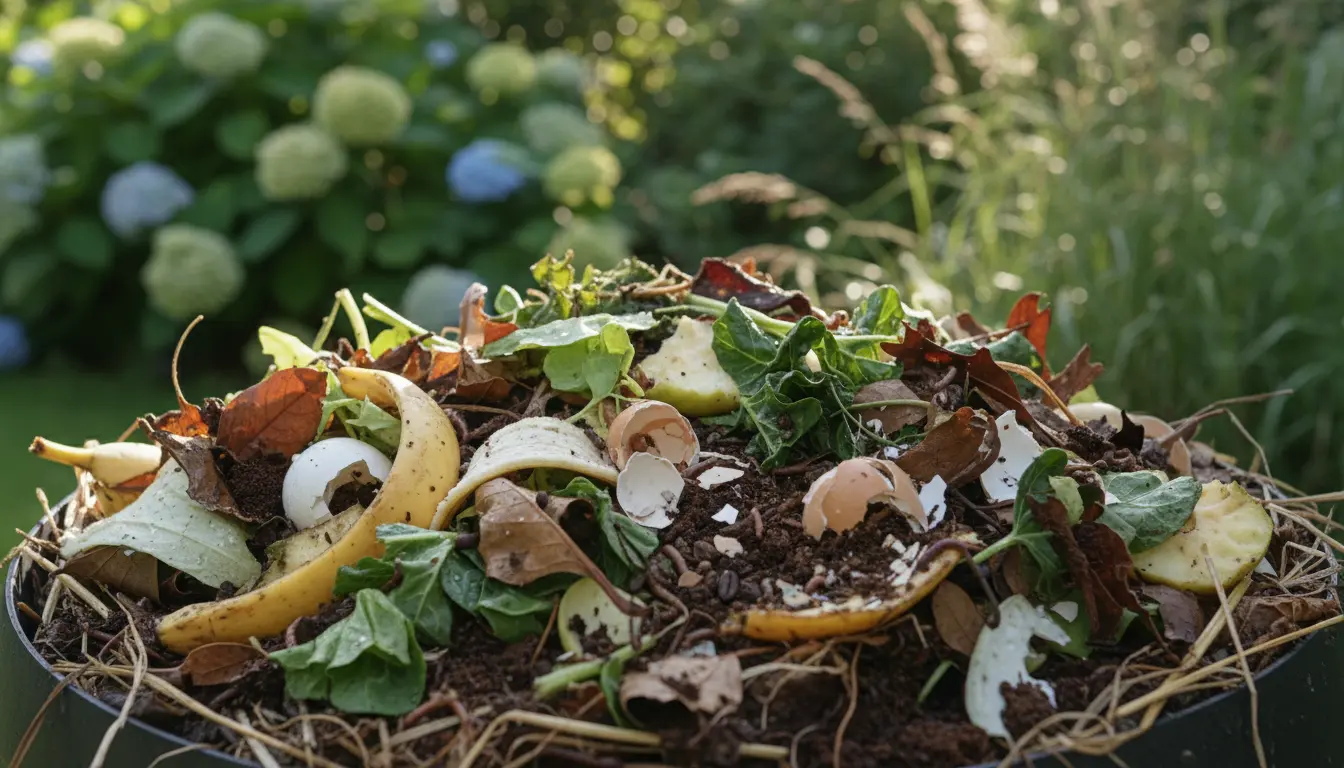
Home composting turns kitchen and yard waste into nutrient-rich soil. It reduces garbage, lowers methane from landfills, and improves garden health.
For beginners, composting is simple when you follow basic rules about materials, moisture, and airflow.
Getting Started With Home Composting

Choose a compost method that fits your space: a bin, tumbler, or a simple pile in the backyard. Small spaces can use a tumbler or a sealed bin on a balcony.
Place the bin on soil where possible; this lets worms and microbes enter and speeds decomposition.
Composting for Beginners: What to Compost
Use a mix of ‘greens’ (nitrogen) and ‘browns’ (carbon). Good balance helps breakdown and reduces smell.
- Greens: vegetable scraps, coffee grounds, fresh grass clippings
- Browns: dry leaves, shredded paper, straw, cardboard
- Optional: small amounts of garden trimmings and crushed eggshells
What Not to Compost
Avoid meat, dairy, oils, diseased plants, and pet waste. These items attract pests and slow composting.
How to Build and Maintain Your Compost
Start with a layer of coarse brown material for drainage. Add alternating layers of greens and browns.
Keep the pile moist like a wrung-out sponge. Too dry slows activity; too wet causes odor.
Balancing Greens and Browns

A common guideline is about 2 parts browns to 1 part greens by volume. Adjust if the pile smells or decomposes slowly.
- If it smells sour: add more browns and turn the pile.
- If it seems dry and slow: add water and more greens.
Aeration and Turning
Turn the pile every 1–2 weeks to add oxygen and speed up breakdown. Tumblers make turning easier and cleaner.
Without turning, composting still happens but more slowly and with more odors.
Troubleshooting Common Problems
Bad smell: usually from excess wet greens or lack of air. Fix by turning and adding dry browns.
Slow decomposition: check moisture, chop large pieces, and add more greens or a nitrogen source.
Fruit flies: bury food scraps under browns and keep the top layer dry and covered.
When Is Compost Ready?
Finished compost is dark, crumbly, and earthy-smelling. It usually takes 2–6 months depending on conditions and method.
Use a sieve to remove large undecomposed pieces and return them to the pile.
Using Finished Compost
Use compost as a soil amendment, top dressing, or potting mix ingredient. Mix into garden beds or sprinkle around plants.
- Vegetable beds: mix 2–4 inches into topsoil before planting.
- Flower beds: add as a top dressing in spring and fall.
- Pots: blend 20–30% compost with potting soil for most plants.
Tips for Successful Home Composting
- Chop or shred large items to speed decomposition.
- Keep a small kitchen scrap bucket with a tight lid and empty it regularly.
- Use finished compost to test pH; most plants prefer near neutral soil.
- Cold climates: insulate the bin or use a tumbler to maintain heat.
Composting can reduce household waste by up to 30 percent. A single family compost bin can keep hundreds of pounds of organic waste out of the landfill each year.
Quick Checklist for Composting for Beginners
- Choose a bin or tumbler suitable for your space.
- Start with a coarse brown layer for drainage.
- Alternate layers of greens and browns.
- Maintain moisture and turn every 1–2 weeks.
- Harvest finished compost after 2–6 months.
Real-World Example: Small Balcony Composting Case Study
Case: A renter in a city apartment used a 20-liter sealed kitchen composter and a small outdoor compost tumbler. Over 12 months they saved about 120 kg of food scraps from the trash.
Results: Compost from the tumbler produced enough soil amendment to refresh three balcony planters, improving tomato and herb yields by about 15 percent.
Key actions: regular emptying of the indoor caddy, burying scraps under dry brown material, and turning the tumbler weekly in warm months.
Final Advice on Home Composting
Start small and learn by doing. Composting is forgiving; small adjustments quickly fix common problems.
With a simple system and consistent habits, home composting becomes an easy part of household routine and benefits both garden and environment.