
Why Home Composting Matters
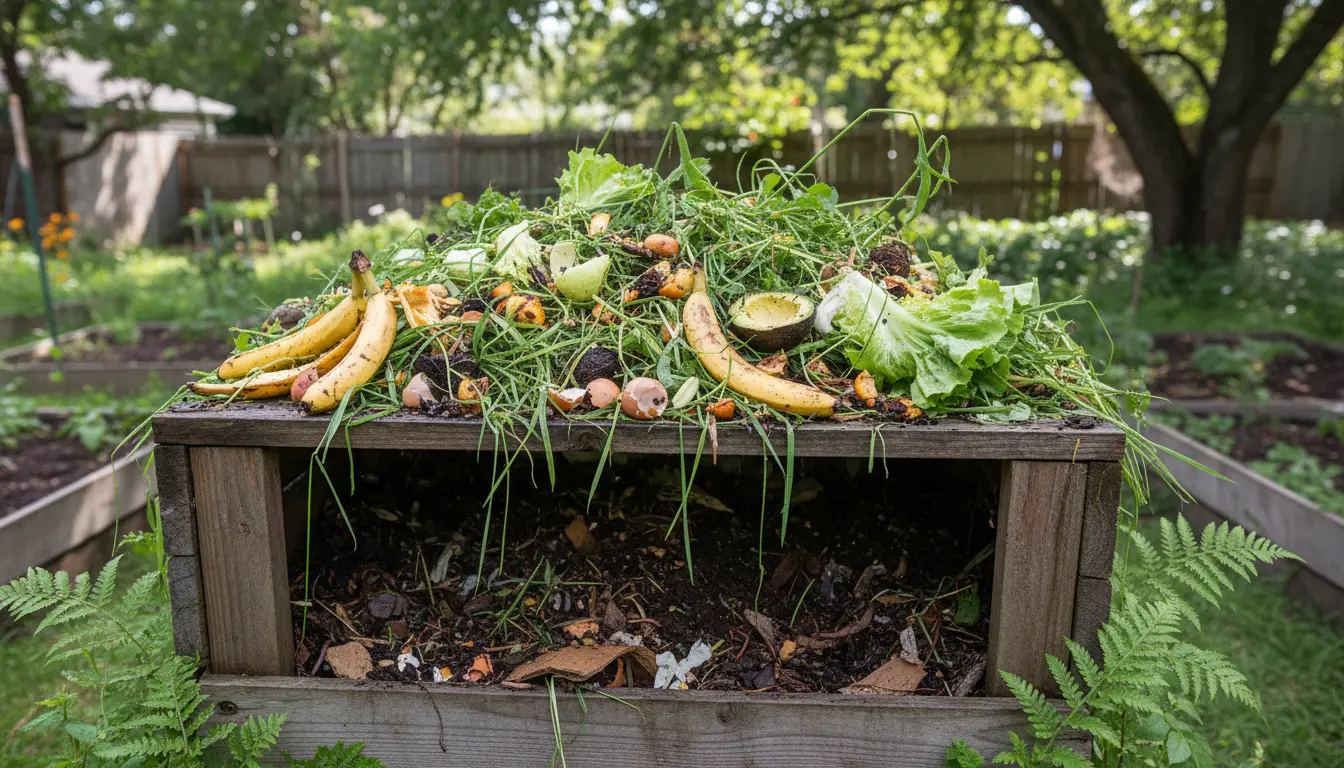
Home composting turns kitchen and yard waste into useful soil amendment. It reduces landfill waste, lowers methane emissions, and feeds your garden with nutrient-rich humus.
For beginners, composting is a practical step toward sustainable living without major tools or costs. This guide explains simple methods and common pitfalls so you can start quickly.
Basic Principles of Home Composting

Composting relies on balancing carbon rich materials (browns) and nitrogen rich materials (greens). Microorganisms break organic matter down when moisture, oxygen, and particle size are managed.
Keep the pile moist like a wrung-out sponge and turn it occasionally to supply oxygen. Aim for a mix that is roughly 2 to 3 parts browns to 1 part greens by volume.
Common Browns and Greens
- Browns: dry leaves, straw, shredded paper, cardboard
- Greens: vegetable scraps, coffee grounds, fresh grass clippings
Choose a Method for Home Composting
Select a method that fits your space, time, and goals. Here are three beginner-friendly approaches.
Cold Pile Composting
Cold piles are low-effort. Add kitchen scraps and yard waste as they accumulate. Decomposition is slow but steady.
- Pros: minimal maintenance
- Cons: months to years to finish
Hot Composting
Hot composting produces finished compost in weeks to months. It requires a balanced mix, regular turning, and enough volume (roughly 1 cubic meter) to maintain heat.
- Pros: faster, kills weed seeds and pathogens
- Cons: more effort and space
Vermicomposting
Vermicomposting uses worms (usually red wigglers) in a bin to break down food scraps. It works well inside or on balconies with small volumes.
- Pros: compact, produces high-quality worm castings
- Cons: needs temperature control and careful feeding
Step-by-Step Setup for Home Composting
Follow these steps to start a reliable compost system at home.
- Pick a location: partial shade, accessible, near a water source if possible.
- Choose a container or bin: open pile, tumbling composter, wooden bin, or worm bin.
- Layer materials: start with coarse browns for drainage, then alternate greens and browns.
- Maintain moisture and aeration: water if dry and turn every 1–2 weeks for faster decomposition.
- Monitor temperature: hot piles should reach 130–150°F (54–66°C) for active composting.
Troubleshooting Common Problems
Beginners often encounter odors, pests, or slow decomposition. Here are simple fixes.
- Smelly pile: add more browns and turn to add air.
- Pests: bury food scraps under brown layers and use a closed bin or fine mesh barrier.
- Slow breakdown: chop materials smaller and increase green content or moisture.
Materials to Avoid in Home Composting
Exclude these items to keep compost safe and effective.
- Meat, dairy, and oily foods (attract pests)
- Diseased plants and invasive weeds with seeds
- Pet waste from carnivores
- Large woody branches that take too long to break down
Simple Tools and Supplies
You do not need expensive gear. A few basic items make composting easier.
- Pitchfork or garden fork for turning
- Tumbler or DIY bin for contained composting
- Kitchen caddy for collecting scraps
- Thermometer for hot composters (optional)
A single family can divert up to 30% of household waste from the trash stream by composting food scraps and yard waste at home.
Real-World Example: Balcony Vermicomposting Case Study
Maria lives in a third-floor apartment and wanted to reduce food waste. She purchased a small worm bin and started collecting vegetable scraps in a kitchen jar.
Within three months she produced enough worm castings to potted herbs and donated extra to a community garden. Key actions were avoiding citrus overload and keeping the bin shaded and slightly moist.
How to Use Finished Compost
Compost is ready when it looks dark, crumbly, and smells earthy. Use it as a soil amendment, potting mix ingredient, or top dressing for lawns and garden beds.
- Mix into garden beds at up to 20% by volume
- Top dress around shrubs and perennials in spring or fall
- Blend with potting soil for container plants
Final Tips for Home Composting Success
Start small, monitor the pile, and adjust the brown to green balance. Composting is a learning process that rewards consistency.
Keep a short list of dos and don ts near your kitchen caddy and enjoy turning everyday waste into valuable soil for your plants.