
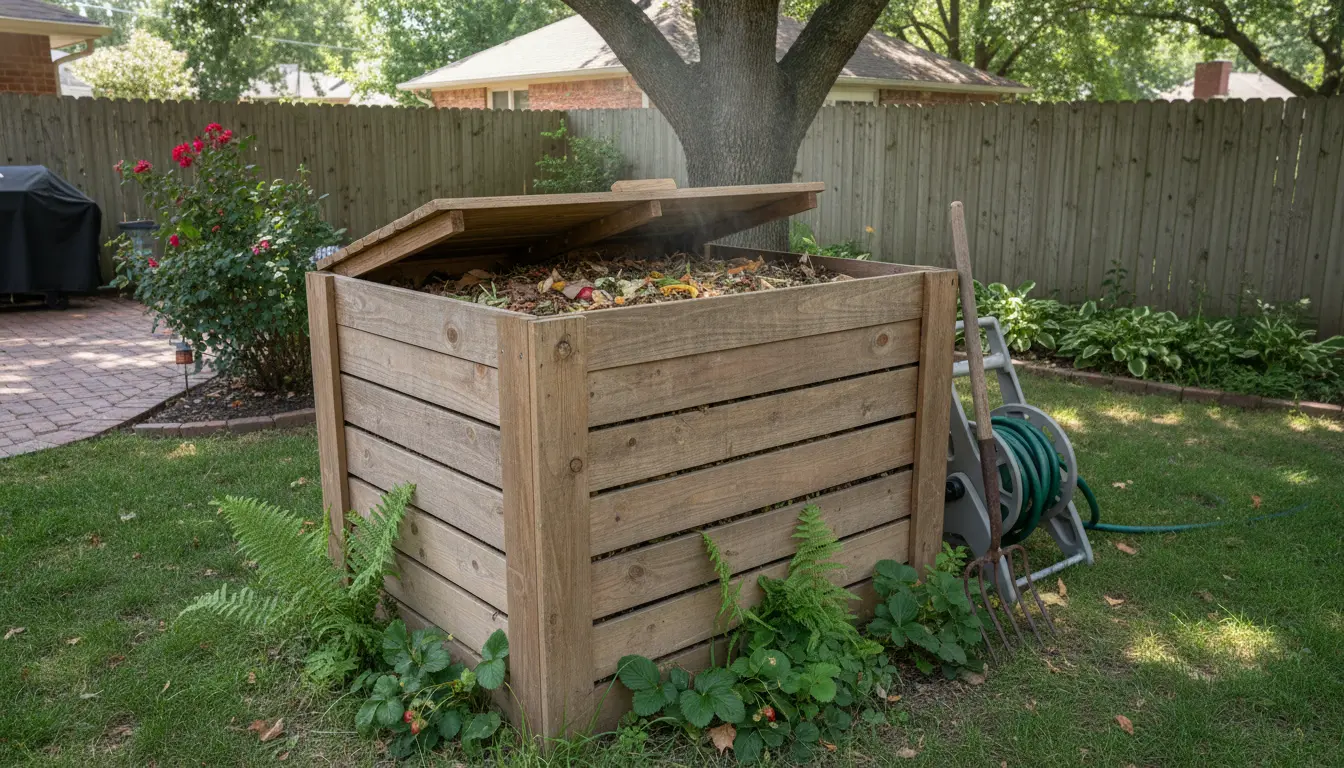
What Is Home Composting and Why It Matters
Home composting is the controlled breakdown of organic waste into nutrient-rich material you can use in gardens and pots. It reduces household waste, cuts methane emissions from landfills, and improves soil health.
This guide gives clear, practical steps for home composting, troubleshooting tips, and a short real-world example so you can start composting with confidence.
Choosing a Method for Home Composting
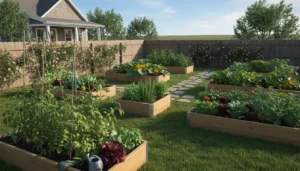
Select a method that fits your space and lifestyle. Popular options include backyard bins, tumblers, and small indoor systems for apartment kitchens.
- Backyard bin: Low cost and good for larger volumes.
- Compost tumbler: Faster breakdown and easier turning.
- Indoor/vermcomposting: Uses worms or small systems for apartments.
What You Need to Start Home Composting
Basic supplies are simple: a bin or container, a mix of materials, and a place to keep the compost. No special tools are required to begin.
- Bin or tumbler with ventilation.
- Garden fork or turning tool (optional for tumblers).
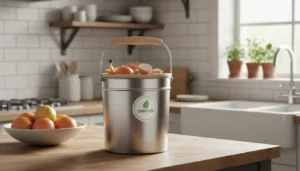
- Kitchen collection container for food scraps.
What to Compost: Browns and Greens
Successful home composting balances carbon-rich materials (browns) and nitrogen-rich materials (greens). Aim for a ratio of roughly 3 parts browns to 1 part greens by volume.
- Greens: fruit and vegetable scraps, coffee grounds, fresh grass clippings.
- Browns: dry leaves, shredded paper, cardboard, straw.
- Do not compost: meat, dairy, pet waste, diseased plants, or oils.
Layering and Building the Pile
Start with a layer of coarse browns to allow airflow at the bottom. Alternate greens and browns in thin layers to maintain balance and reduce odors.
Moisture should feel like a wrung-out sponge. Add water if too dry, or more browns if too wet.
Routine Care for Home Composting
Turn or aerate the pile every 1–2 weeks to introduce oxygen and speed decomposition. Regular turning also helps prevent bad smells and pests.
- For bins: use a pitchfork or shovel to mix layers.
- For tumblers: rotate the tumbler several times each week.
- For worm bins: avoid turning; feed worms and monitor bedding moisture.
Troubleshooting Common Problems
Problems are often simple to fix. Identify the symptom and apply the matching solution below.
- Bad odor: add more browns and turn the pile.
- Slow decomposition: chop materials smaller and increase green content.
- Pests: avoid exposing food scraps, use a closed bin, or bury scraps in the center of the pile.
Adding coarse twigs or straw to the bottom of a compost bin improves airflow and speeds up decomposition by preventing compaction.
When Is Compost Ready to Use?
Finished compost looks dark, crumbly, and smells earthy. Most backyard systems produce usable compost in 2–6 months depending on materials and care.
Use finished compost as a soil amendment, potting mix ingredient, or mulch around trees and shrubs.
Simple Uses for Finished Compost
- Mix 1 part compost to 3 parts garden soil for planting beds.
- Top-dress lawns with a thin layer to improve soil structure.
- Blend with potting mix for container plants to add organic matter.
Small Real-World Case Study: Apartment Composting
Maria lives in a two-bedroom apartment and wanted to reduce kitchen waste. She bought a 10-liter vermicompost bin and started collecting vegetable scraps in a small counter container.
Within three months Maria had a steady supply of dark compost for her balcony vegetable planters. She avoided meat and citrus peels, kept bedding moist, and fed the worms small amounts twice a week.
The outcome: less trash, healthier balcony tomatoes, and savings on potting soil purchases.
Tips for Long-Term Success in Home Composting
Consistency matters more than perfection. Add kitchen scraps regularly, balance browns and greens, and keep the pile aerated.
- Chop or shred large items to speed breakdown.
- Keep a small bin near your sink to collect scraps and reduce trips to the compost pile.
- Record what you add and how often you turn the pile to refine your process.
When to Upgrade Your System
If you produce large volumes of waste, consider a larger bin or multiple bins for continuous composting. A tumbler or a multi-chamber system can speed production and simplify turning.
Home composting is a practical way to reduce waste, save money, and enrich your soil. Start small, follow the basic rules, and adjust as you learn what works best for your home and garden.