
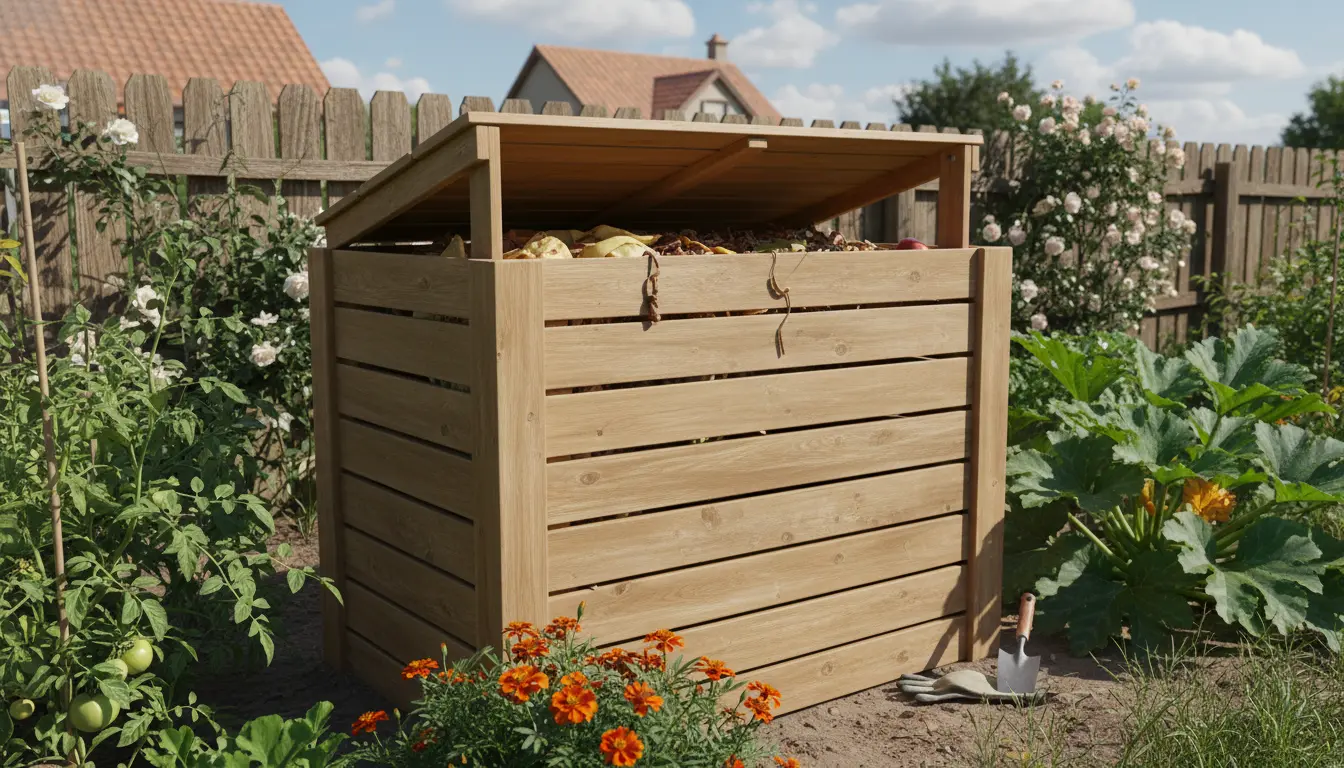
Why Choose Home Composting for Beginners
Home composting is a simple way to turn kitchen scraps and yard waste into rich soil. It reduces household waste, lowers trash costs, and improves garden health.
This guide explains step-by-step methods for beginners and practical tips to avoid common problems.
Home Composting for Beginners: Basic Materials
Compost needs a balance of carbon and nitrogen materials. Those supply energy and protein for the microbes that break down waste.
- Carbon rich (brown): dry leaves, straw, cardboard, shredded paper
- Nitrogen rich (green): vegetable scraps, coffee grounds, fresh grass clippings
- Optional: small amounts of soil or finished compost to introduce microbes
Home Composting for Beginners: What Not to Compost
Avoid meat, dairy, oily foods, and diseased plants in small backyard systems. These attract pests and can cause odors.
Also avoid large woody branches unless chipped first.
Home Composting for Beginners: Choosing a System
Select a method that fits your space, time, and effort level. Common options include bins, tumblers, and open piles.
- Compost bin: Good for low-maintenance yards and hides material from view.
- Tumbler: Faster turning and less manual mixing, ideal for small yards.
- Open pile: Works for larger properties, cheapest but slower and less tidy.
Home Composting for Beginners: How to Build a Simple Bin
Use a plastic or wooden bin about 3x3x3 feet for balanced decomposition. Ensure good drainage and airflow.
Layer brown and green materials, then moisten until damp but not dripping. Turn the pile every 1–2 weeks for faster results.
Home Composting for Beginners: Moisture and Aeration
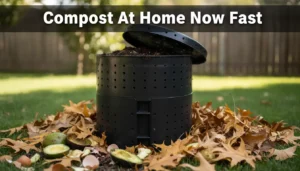
Proper moisture and air are essential. Aim for the feel of a wrung-out sponge.
If the pile is too dry, add water and more greens. If it smells, add more browns and turn to introduce oxygen.
Home Composting for Beginners: Turning and Timing
Turning supplies oxygen to microbes and speeds composting. Use a pitchfork or a tumbler mechanism.
With regular turning, compost can be ready in 2–3 months. A low-maintenance pile may take 6–12 months.
Home Composting for Beginners: Troubleshooting Tips
Problems are usually easy to fix. Here are common issues and solutions.
- Bad smell: Add dry browns, mix the pile, and reduce wet materials.
- Too dry: Moisten and add greens like grass clippings.
- Pests: Bury food scraps under a layer of browns and use a closed bin.
- Slow decomposition: Chop materials smaller and increase turning frequency.
Home Composting for Beginners: Using Finished Compost
Finished compost is dark, crumbly, and smells earthy. Use it as a soil amendment or mulch.
Spread 1–3 inches on garden beds or mix into potting soil to improve structure and nutrient content.
Home Composting for Beginners: Quick Checklist
- Choose a bin type and location with partial shade and good drainage.
- Balance brown and green materials; aim for roughly 3:1 browns to greens by volume.
- Keep the pile moist and turn regularly for faster results.
- Monitor for pests and odors, and adjust materials as needed.
Composting can divert up to 30 percent of household waste from landfills and cut methane emissions from organic matter.
Small Case Study: A Family Starts Home Composting
Maria and Jason began composting in a 3×3 bin behind their house. They collected kitchen scraps in a small countertop container to avoid odors.
Within four months, they had usable compost that improved their vegetable bed and reduced trash volume by about 25 percent. Simple steps like shredding leaves and turning weekly made the process quick and clean.
Home Composting for Beginners: Final Practical Tips
Start small and learn as you go. Composting is forgiving, and most mistakes can be corrected by adjusting moisture and materials.
Join local gardening groups or visit community compost programs to see different systems in action and find support.
With a little routine, home composting becomes an easy way to reduce waste and build healthy soil for plants.