
Why Home Composting for Beginners Matters
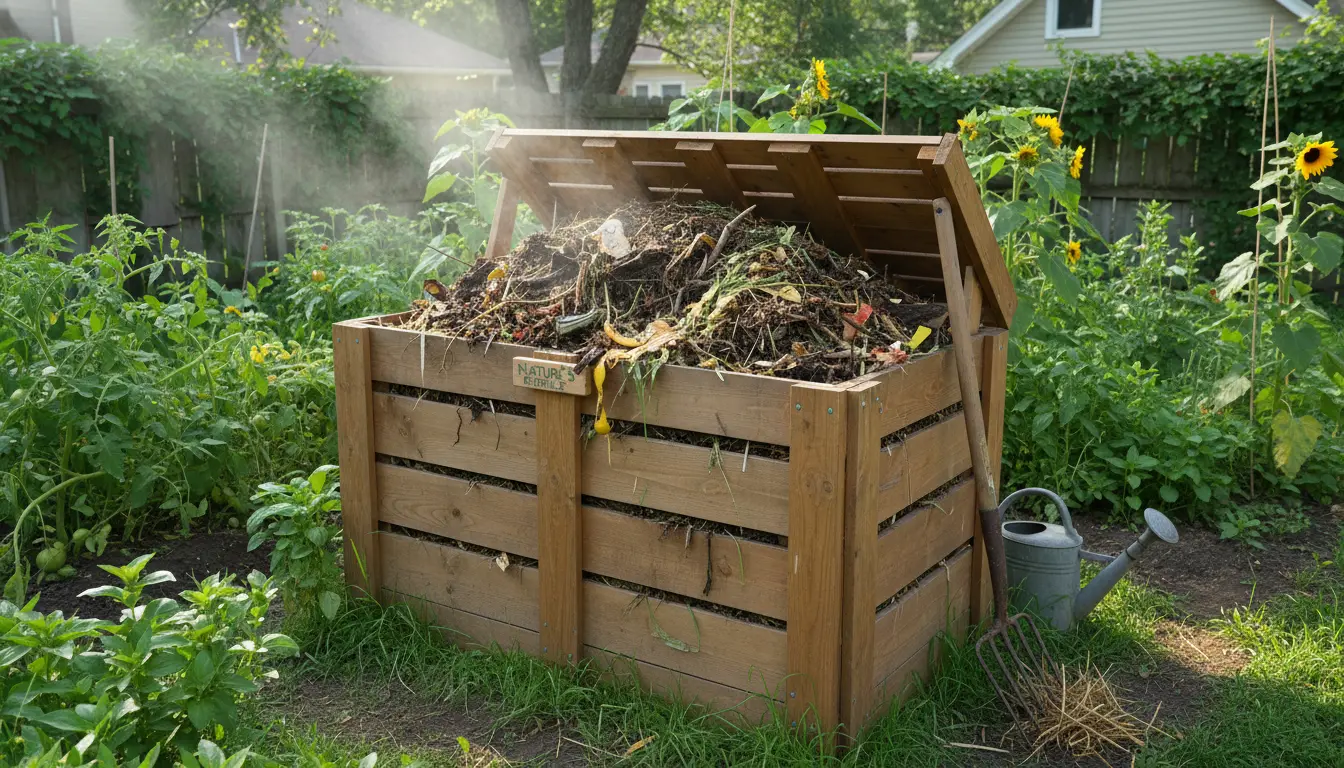
Composting turns kitchen scraps and yard waste into a useful soil amendment. For beginners, home composting is a low-cost way to reduce waste and improve garden soil.
This guide breaks the process into clear steps so you can start composting with confidence. Follow the basics, avoid common mistakes, and scale up over time.
Choose a Simple Compost System
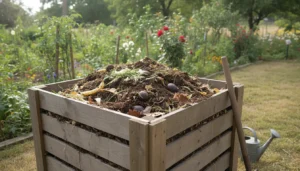
Pick a method that fits your space and time. Small yards work well with a closed bin, while larger spaces can use a pile or tumbler.
- Compost bin: Keeps pests out and looks tidy.
- Compost tumbler: Speeds up turning and decomposition.
- Open pile: Easiest to start, needs more space and attention.
Best Materials to Add
Compost needs a balance of carbon-rich and nitrogen-rich materials. Think of it as mixing dry and wet ingredients.
- Brown (carbon): dried leaves, shredded paper, cardboard, straw.
- Green (nitrogen): vegetable scraps, coffee grounds, grass clippings.
- Avoid: meat, dairy, oils, diseased plants, and pet waste to prevent pests and odors.
Home Composting for Beginners: Layering and Ratios
Start with a 3:1 ratio of browns to greens by volume. Layering helps airflow and reduces bad smells.
- Place a 4–6 inch layer of coarse brown material at the bottom for drainage.
- Add a layer of green material about half the thickness of the brown layer.
- Repeat layers until the bin is full, finishing with brown material.
Moisture and Air: Key Controls
Your pile should feel like a damp sponge — moist but not dripping. Too dry and decomposition slows; too wet and it smells.
- Water lightly if dry, especially during hot weather.
- Turn the pile every 1–2 weeks to add oxygen and speed up breakdown.
- Use a garden fork or tumbler for easy turning.
Speeding Up Composting
Faster composting needs smaller particle sizes, regular turning, and a good mix of greens and browns. Shredding or chopping materials helps.
Adding a thin layer of finished compost or garden soil can introduce helpful microbes. Avoid chemical accelerators; natural conditions work best.
Compost can reach internal temperatures of 120 to 160°F (50 to 70°C) during active decomposition, which helps kill weed seeds and many pathogens when managed correctly.
Using Finished Compost
Finished compost is dark, crumbly, and earthy-smelling. It usually takes 2–12 months depending on conditions.
- Top dress gardens with a 1–3 inch layer to improve soil structure.
- Mix compost into potting soil or vegetable beds at a ratio of about 1:3 compost to soil.
- Use as a seed-starting mix only if well-finished and screened.
Troubleshooting Common Problems
Beginners often face a few predictable issues. Here are quick fixes that work for most home systems.
- Bad odor: Too wet or too much green material. Add browns and turn the pile.
- Pests: Avoid adding meat or oily foods and use a closed bin if rodents appear.
- Slow breakdown: Increase surface area by shredding, add moisture, and turn more often.
Safety Tips
Wear gloves when turning compost and avoid breathing in dust from very dry materials. If you add manure, let compost heat thoroughly before using on edible crops.
Small Case Study: Apartment to Garden Success
Laura lived in an apartment with a small balcony and wanted to reduce waste. She started with a 10-gallon indoor compost bin using a compostable liner and coffee grounds from a local cafe.
After six months of small-batch composting and occasional trips to a community garden for yard waste, she produced enough compost to enrich two balcony planter boxes. Her plants showed fuller leaves and better flowering the next season.
Quick Start Checklist for Home Composting for Beginners
- Choose a bin or pile location with good drainage and partial shade.
- Gather brown and green materials before you start.
- Layer with a 3:1 brown to green guideline.
- Maintain moisture like a wrung-out sponge.
- Turn the pile every 1–2 weeks for faster results.
Final Tips
Start small and be patient; composting is flexible and forgiving. Track what you add and how often you turn the pile to learn what works in your climate.
Over time you will refine the mix and schedule, producing rich compost that benefits plants and reduces household waste.