
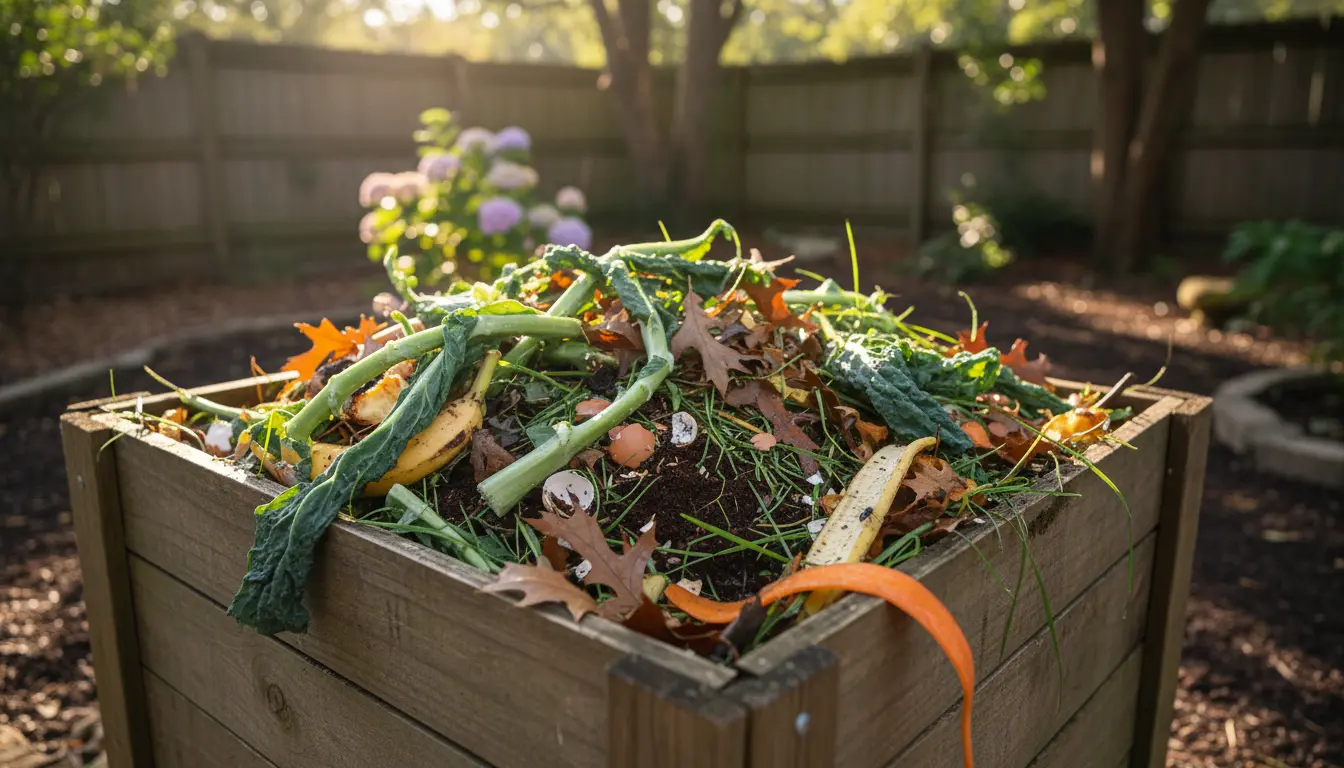
Home composting is an easy way to reduce kitchen and yard waste while creating nutrient-rich soil for plants. This guide explains clear, practical steps for home composting for beginners. No jargon, just actions you can take today.
Why Choose Home Composting for Beginners
Composting turns organic waste into valuable compost that improves soil and retains moisture. It’s a low-cost, low-effort way to reduce household waste and support healthy plants.
Beginners benefit because small-scale composting can be simple, odor-free, and fast when you follow basic rules. You don’t need expensive equipment to get started.
How to Start Home Composting for Beginners
Starting is a matter of choosing a method, assembling materials, and following a routine. Below are straightforward choices and steps to begin.
Choose a Composting Method
- Backyard bin: Good for yards and gardens, available in plastic or wooden designs.
- Tumbler compost: Easier turning and faster decomposition for small spaces.
- Indoor bokashi or worm bin: Best if you lack outdoor space or want a compact system.
Gather the Right Materials
Compost needs a mix of greens (nitrogen) and browns (carbon). Aim for a balance close to 1 part greens to 2–3 parts browns by volume.
- Greens: vegetable scraps, coffee grounds, fresh grass clippings.
- Browns: dry leaves, shredded paper, cardboard, straw.
- Avoid: meats, dairy, oils, diseased plants, and pet waste.
Set Up and Maintain the Pile
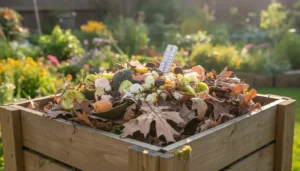
Place your bin in a well-drained spot with some shade. Start with a layer of coarse browns to help airflow. Add kitchen scraps and alternate layers of browns to cover smells and speed breakdown.
Turn or aerate the pile weekly to introduce oxygen. If using a tumbler, rotate it 4–8 times per week. For worm bins, keep the material moist and let the worms do the work.
Monitoring and Troubleshooting for Home Composting for Beginners
Regular checks prevent common issues. Simple adjustments keep the system healthy and productive.
Smells and Pests
Bad smells usually mean too much moisture or too many greens. Add dry browns and turn the pile. If pests appear, bury food scraps deeper and use a closed bin or secure lid.
Slow Decomposition
Slow breakdown often means not enough nitrogen, poor aeration, or materials that are too large. Chop scraps, add fresh greens, and turn the pile more often.
Moisture Control
Compost should feel like a wrung-out sponge. If it’s dry, add water and some greens. If it’s soggy, add browns and increase turning.
How to Use Finished Compost
Finished compost looks dark, crumbly, and earthy. It no longer smells like food. Use it in three main ways:
- Top-dress: Sprinkle around established plants and gently work it into the topsoil.
- Garden beds: Mix 10–30% compost into planting soil to improve structure and nutrients.
- Potting mixes: Blend small amounts with potting soil for container plants.
Practical Tips for Success
- Start small: Build one bin or use a small tumbler to learn the process.
- Keep a kitchen caddy: A small covered container for scraps makes it easier to collect food waste daily.
- Shred or chop: Smaller pieces break down faster and reduce turning needs.
- Record and adjust: Note what you add and how often you turn so you can repeat successes.
Small Real-World Example: A Beginner Case Study
Emma, a city renter with a small balcony, started a worm bin six months ago. She used kitchen scraps and shredded newspaper as bedding. Within four months she harvested 10 liters of worm castings.
Emma mixed the castings into potting soil for her herb pots and noticed healthier growth and reduced need for fertilizer. Her weekly trash decreased noticeably, and she stopped buying bagged plant food. This simple setup took minimal time and cost under $80 to start.
Quick Checklist for Home Composting for Beginners
- Choose a bin type: backyard, tumbler, or worm bin.
- Collect greens and browns; avoid prohibited items.
- Maintain moisture and aeration; turn the pile regularly.
- Monitor for odors and pests; adjust ratio of browns to greens as needed.
- Harvest finished compost and apply to plants.
Home composting for beginners is achievable with a small time investment and basic supplies. Start with one method, follow the balance of greens and browns, and adjust as you learn. Over time you’ll reduce waste, enrich your soil, and enjoy healthier plants.