
What Is Home Composting?
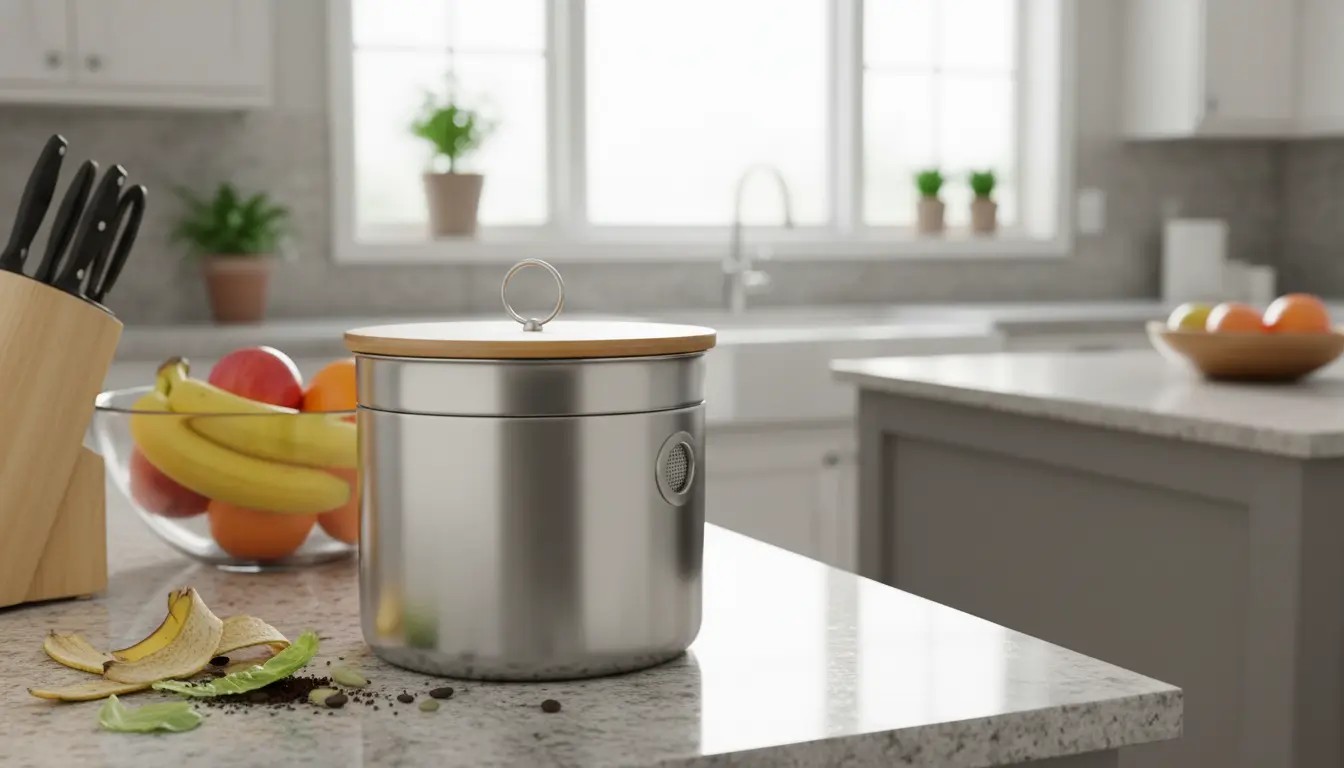
Home composting is the controlled breakdown of organic kitchen and yard waste into nutrient-rich soil. It reduces household waste and produces compost you can use in gardens and potted plants.
For beginners, composting is a practical way to cut waste, improve soil, and learn basic biological cycles. It does not require advanced tools or large spaces.
Why Start Composting at Home
Composting lowers trash volume and greenhouse gas emissions from landfills. It returns valuable nutrients to the soil and helps soil retain water.
Many municipalities offer composting incentives, and backyard compost can reduce the need for chemical fertilizers.
How to Start Home Composting for Beginners
Begin with a simple system: a covered bin, a location, and the right mix of materials. Use small, regular additions and keep the pile slightly moist.
Choose a Bin
Select a bin that fits your space. Options include tumblers, stationary bins, or a simple open pile. Tumblers make turning easier, while bins and piles are low cost.
Place the bin on soil if possible to allow worms and microorganisms to enter. Put it in partial shade to prevent overheating or drying out.
Collect the Right Materials
Balance carbon-rich “browns” and nitrogen-rich “greens”. A good working ratio for beginners is roughly 3 parts browns to 1 part greens by volume.
- Greens (nitrogen): vegetable scraps, coffee grounds, fresh grass clippings, tea bags
- Browns (carbon): dry leaves, shredded paper, cardboard, straw
- Do not add: meat, dairy, oily foods, diseased plants, or pet waste
Start Your Pile
Layer a base of coarse browns for airflow, then add greens. Chop or shred large pieces to speed decomposition.
Maintain slight moisture; the pile should feel like a damp sponge. If too dry, add water or more greens. If too wet and smelly, add more browns and mix.
Maintaining Your Home Compost
Proper maintenance keeps decomposition efficient. Simple routines make composting predictable and low-effort.
Turning and Aeration
Turn the pile every 1–2 weeks to introduce oxygen and mix materials. Tumblers simplify this task but manual forks work fine for bins and piles.
Good aeration prevents anaerobic conditions that cause bad odors. If your pile smells sour, turning and adding browns will usually fix it.
Temperature and Time
A healthy compost pile will warm as microbes break down materials. Hot composting (above 40°C/104°F) speeds breakdown and kills seeds, but cold composting works with less effort.
Home compost can be ready in 2–6 months depending on materials, size, and how often you turn it. Finished compost is dark, crumbly, and earthy-smelling.
Troubleshooting Common Issues
Problems are usually easy to fix when you know the cause. Check moisture, balance, and aeration first.
- Bad smell: add browns, turn pile, reduce moisture.
- Slow breakdown: chop materials smaller, increase greens or temperature, and turn more often.
- Pests: avoid meat and oily foods, secure bin lid, bury food scraps in the center of the pile.
Adding a handful of finished compost or garden soil when you start a new pile introduces helpful microbes and speeds decomposition.
Practical Tips for Successful Home Composting
- Keep a small kitchen caddy with a lid to collect scraps and reduce trips to the bin.
- Shred cardboard and chop kitchen waste to increase surface area and speed composting.
- Maintain a mix of coarse and fine materials to promote airflow.
- Use finished compost as a top dressing, potting mix amendment, or soil conditioner.
Simple Case Study: Small Urban Garden
Maria lives in a small apartment with a balcony and started composting in a 40-liter tumbler. She collected kitchen scraps and saved shredded paper as browns.
By turning the tumbler weekly and keeping a 3:1 browns-to-greens ratio, she produced usable compost in about four months. Her balcony tomatoes showed fuller foliage and better yields after adding the compost to the pots.
Composting Safety and Local Rules
Check local regulations before starting. Some areas restrict backyard composting in apartments or close to property lines.
Avoid adding items that attract pests or carry pathogens. Wash hands after handling compost and avoid using compost on plants intended for immediate raw consumption until it is fully cured.
Conclusion: Keep It Simple and Consistent
Home composting for beginners succeeds with basic rules: balance greens and browns, maintain moisture and airflow, and turn regularly. Small, consistent actions turn waste into valuable soil in months rather than years.
Start with one bin, practice the basic steps, and adapt your system as you learn what works for your space and lifestyle.