
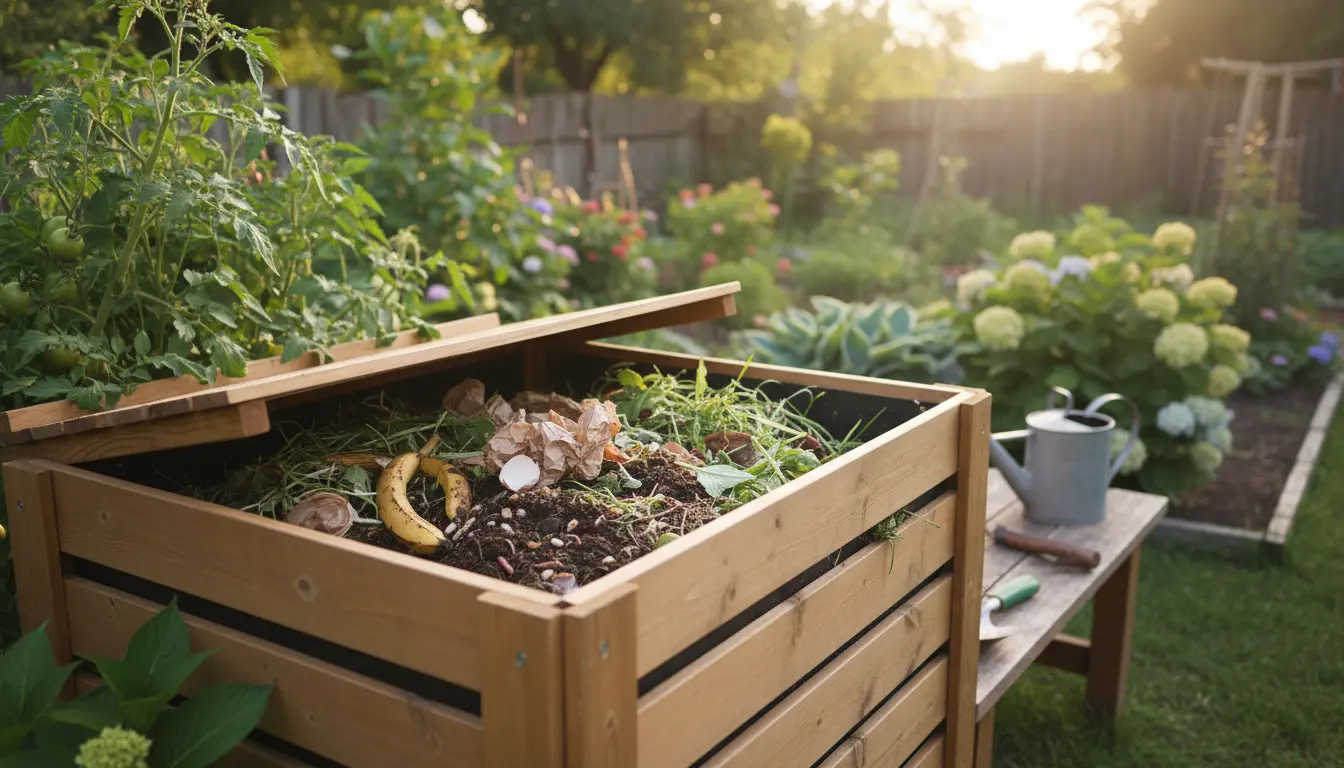
Start Home Composting with Simple Steps
Home composting turns kitchen scraps and yard waste into nutrient-rich soil. This guide gives practical steps you can follow whether you have a backyard, balcony, or only a small kitchen.
Why Home Composting Works
Composting is a natural decomposition process where microorganisms break organic material into humus. The result improves soil structure, water retention, and plant health.
Benefits of home composting
- Reduces household waste and landfill use.
- Produces free, natural fertilizer for houseplants and gardens.
- Encourages sustainable habits and reduces chemical fertilizer needs.
Choose a Method for Home Composting
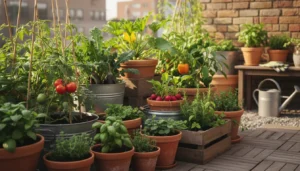
Select a composting method that fits your space and schedule. Three common options work well for beginners.
Backyard bin or pile
Use a simple bin or a contained pile for yards. This method handles large volumes and is low-cost. It works best if you can turn the pile periodically.
Tumbler or sealed bin
Tumblers speed up aeration and reduce pests. They are ideal for urban yards or small gardens where appearance and odor control matter.
Vermicomposting (worm bins)
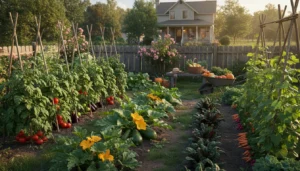
Worm bins are great for apartments and small spaces. Red worms process kitchen scraps quickly and produce rich worm castings for potted plants.
What to Compost: Green and Brown Materials
Balance nitrogen-rich (greens) and carbon-rich (browns) materials. The right mix supports microorganisms and prevents odors.
- Greens (nitrogen): vegetable peels, fruit scraps, coffee grounds, fresh grass clippings.
- Browns (carbon): dry leaves, shredded paper, cardboard, straw.
A good rule is roughly 2–3 parts browns to 1 part greens by volume. Adjust as needed based on smell and moisture.
How to Build and Maintain a Compost Pile
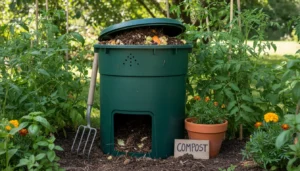
Follow these basic steps to start and keep your compost healthy. These practices apply to most home methods.
- Start with a base layer of coarse browns for airflow.
- Add mixed layers of greens and browns, chopping large items to speed decomposition.
- Keep the pile moist like a wrung-out sponge; water if dry and cover if too wet.
- Turn the pile every 1–2 weeks to add oxygen and speed the process.
- Monitor temperature: a hot center (between 40–60°C or 104–140°F) indicates active decomposition.
Troubleshooting common issues
- Bad smells: Add more browns and turn the pile to aerate.
- Pests: Bury food scraps deeper, use a closed bin, or add a layer of soil.
- Slow breakdown: Chop materials smaller and increase turning or moisture.
Harvesting and Using Compost
Finished compost looks dark, crumbly, and earthy-smelling. Harvest by sifting or removing the bottom layer if using a bin.
Use finished compost in these ways:
- Mix into garden beds to improve soil texture and fertility.
- Topdress lawns and container plants for slow nutrient release.
- Use as a seed-starting mix when blended with potting soil.
Small Real-World Example
Case study: A two-person household started home composting with a 60-liter tumbler. They collected kitchen scraps and shredded cardboard for browns. After six months of regular turning, they produced 30 liters of compost and used it to topdress balcony planters. Their tomato plants showed fuller foliage and higher yields the next season.
Tips for Apartment and Balcony Composting
Even without a yard, composting is possible. Worm bins and small tumblers are discreet and odor-controlled.
- Empty a small countertop container daily into your worm bin or outdoor tumbler.
- Freeze meat or dairy scraps until you can bury them in a sealed outdoor bin to avoid pests.
- Use paper towels and napkins as brown material when needed.
Composting can reduce household waste by up to 30 percent. A well-managed compost pile can cut organic waste volume quickly as materials decompose into stable humus.
Quick Checklist to Start Home Composting
- Choose a composting method that fits your space (bin, tumbler, worm bin).
- Gather a mix of greens and browns and keep a small countertop caddy for scraps.
- Maintain moisture and turn the pile regularly for faster results.
- Harvest finished compost and use it to feed plants and improve soil.
Final Advice for Successful Home Composting
Start small and learn by doing. Composting improves with simple adjustments: more browns, better aeration, or smaller pieces of material.
Be patient. Even a modest effort produces useful compost and reduces waste while improving plant health over time.