
Why Home Composting Matters
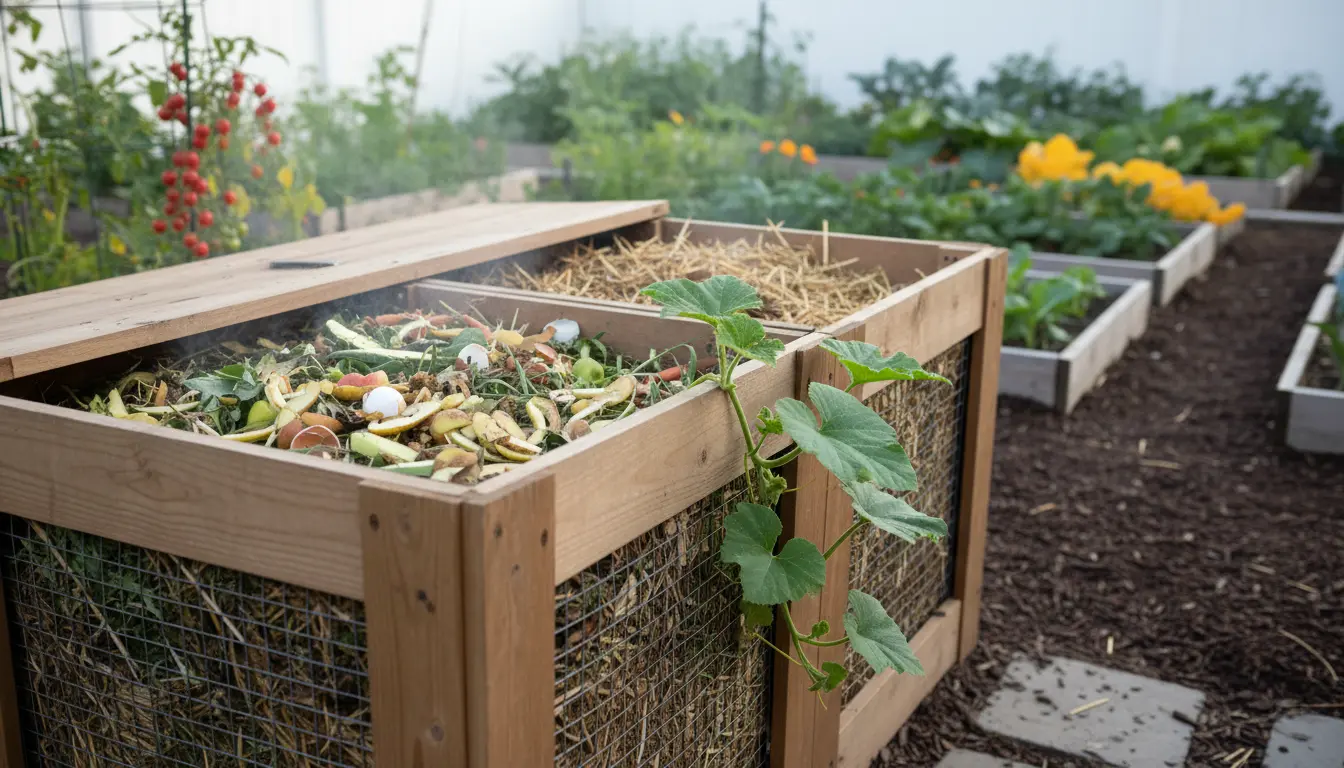
Home composting reduces landfill waste and creates nutrient-rich soil for gardens. It lowers methane emissions and closes the loop on organic materials from your kitchen and yard.
For beginners, composting can feel technical, but simple systems work well for most households. This guide covers practical steps you can follow today.
Choose a Composting Method for Beginners
Your choice depends on space, effort, and how fast you want finished compost. Pick a method that matches your routine to ensure consistency.
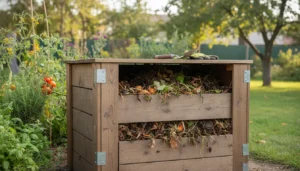
- Bin composting: A covered plastic or wooden bin is low-maintenance and good for small yards.
- Tumbler composting: A rotating tumbler speeds up mixing and reduces odors.
- Bokashi or indoor composting: Anaerobic fermenting systems work well in apartments and produce pre-compost for soil.
Home Composting for Beginners: Quick Comparison
Bin composting is cheap and simple, tumblers are cleaner and faster, and Bokashi handles meat and dairy if managed correctly. Choose one and commit for at least a few months.
What to Put in Your Home Compost
Balance carbon-rich “browns” and nitrogen-rich “greens”. This balance helps microbes break down material efficiently and prevents bad smells.
- Greens (nitrogen): kitchen scraps, coffee grounds, green lawn clippings.
- Browns (carbon): dry leaves, shredded paper, straw, cardboard.
- Avoid: meat, dairy, oily foods, diseased plants, and pet waste in simple backyard bins.
Basic Mixing Ratios
A common starting ratio is roughly 2 to 3 parts browns to 1 part greens by volume. Adjust if your pile is too wet or smells bad.
Step-by-Step: Start a Home Compost Pile
Follow these steps for a straightforward backyard bin system. Each step is brief so you can act immediately.
- Pick a shady, well-drained spot near your kitchen for easy access.
- Place a bin or build a small pallet enclosure to hold material.
- Add a 2–4 inch base layer of coarse browns like straw for airflow.
- Alternate layers of greens and browns, aiming for the 2:1 browns to greens ratio.
- Keep the pile moist like a wrung-out sponge; add water during dry spells.
- Turn or mix the pile every 1–3 weeks to add oxygen and speed decomposition.
Temperature and Time
Active compost heats to 120–150°F (50–65°C) if the pile is large and balanced. Smaller piles decompose slower and stay cooler. Expect finished compost in 2 months to a year depending on method and care.
Troubleshooting Common Problems
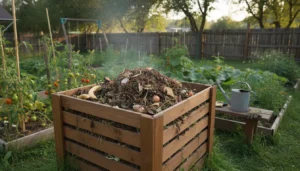
Beginners often face a few predictable issues. Fixes are usually simple and fast.
- Bad odor: Add more browns and turn the pile to aerate it.
- Slow decomposition: Chop or shred materials, add greens, and mix to increase microbial activity.
- Pests: Cover food scraps with browns and use a closed bin or tumbler to deter rodents.
- Too dry: Water the pile lightly and add green material to boost moisture.
Composting can cut household waste weight by up to 30 percent and reduce methane from landfills. Even small weekly composting habits quickly add up.
Using Finished Compost
Finished compost is dark, crumbly, and smells like earth. Use it to improve soil structure, hold moisture, and provide nutrients.
- Top-dress garden beds with a 1–2 inch layer before planting.
- Mix 20–30% compost into potting mixes or garden soil for seedbeds.
- Use as mulch around shrubs and trees to reduce watering needs.
Small Real-World Case Study
Case: A two-person household in Portland started a 60-liter tumbler and a kitchen caddy. They added food scraps and yard trimmings for six months.
Result: They produced about 80 liters of finished compost, reduced trash volume by 40 percent, and reported healthier container plants using a 1:4 mix of compost to potting soil.
Tips to Maintain Consistent Home Composting
Consistency is the key to success. Use small habits to keep composting easy and routine.
- Keep a small countertop caddy and empty it into the bin weekly.
- Chop large materials before adding to speed breakdown.
- Record when you turn the pile and watch for moisture changes seasonally.
- Join local compost groups or exchange tips with neighbors for seasonal challenges.
Final Checklist for Home Composting for Beginners
Before you start, make sure you have a bin or tumbler, a plan for browns and greens, and a location. Expect a learning curve but also steady benefits.
- Select method: bin, tumbler, or Bokashi.
- Gather materials: kitchen caddy, browns, water source, and a tool for turning.
- Monitor: moisture, smell, and temperature when possible.
- Use finished compost to improve soil and reduce waste.
Start small, observe, and adjust. Home composting for beginners is a practical step toward reducing waste and improving soil health without complex equipment.